




William IV Trinket Box
A william iv trinket box is a compact repository of metal or wood, and you are most likely to meet a rosewood jewellery box or a silver snuff box here.
William IV Trinket Box
When you search for a william iv trinket box, you encounter small receptacles intended for personal items, snuff, or jewellery. The material varies between sterling silver, silver gilt, and dense hardwoods like rosewood and oak.
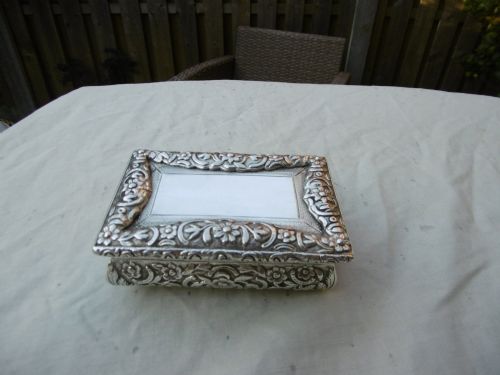
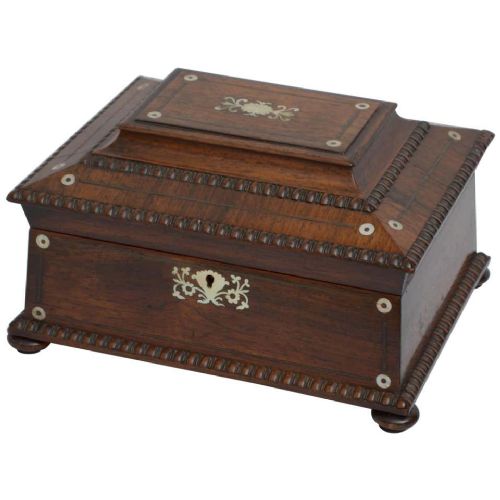
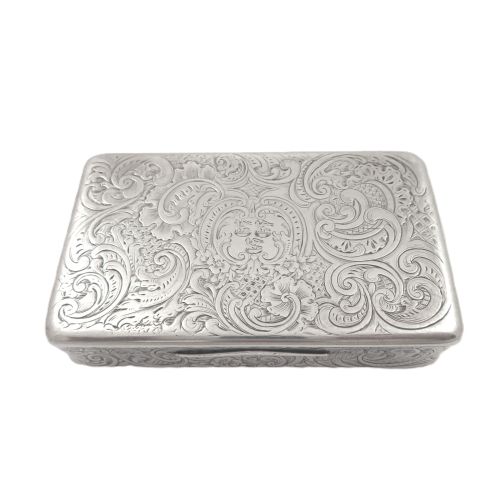
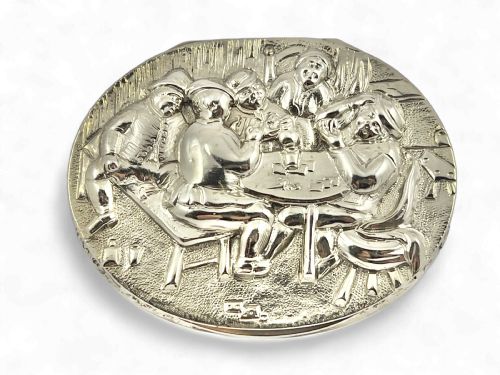
The forms span from sarcophagus-shaped jewellery boxes to pocket snuff boxes and vinaigrettes. These pieces frequently carry hallmarks and chased borders that connect them directly to the early decades of the nineteenth century.
The version you are most likely to meet on this page is a silver snuff box or a rosewood box from English and Scottish makers. They bridge the aesthetic between Georgian restraint and Victorian elaboration.
How they were made
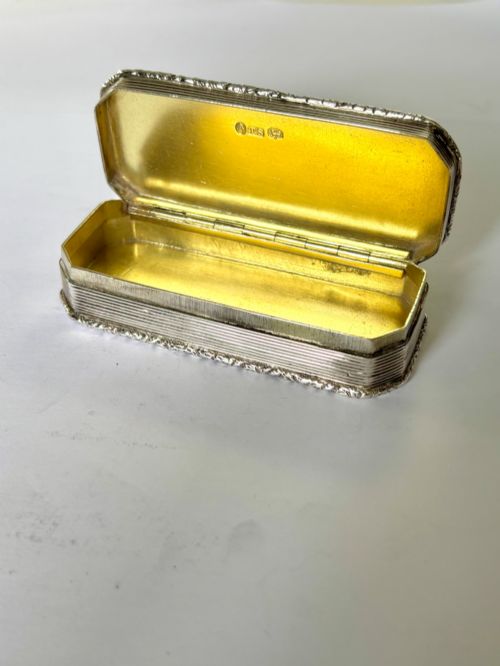
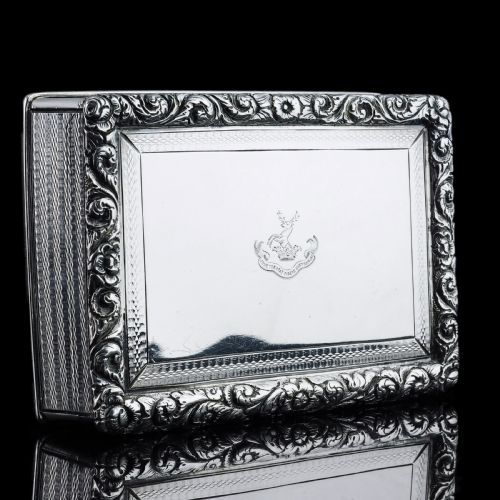
Silversmiths constructed the metal boxes using sterling silver and silver gilt, often applying floral chased borders by hand. Internal gilding protects the silver from the corrosive nature of snuff.
Cabinetmakers utilised rosewood and oak to form small chests, sometimes incorporating antique inlays or mother-of-pearl details. These wooden pieces rely on tight joinery and polished grain rather than applied ornament.
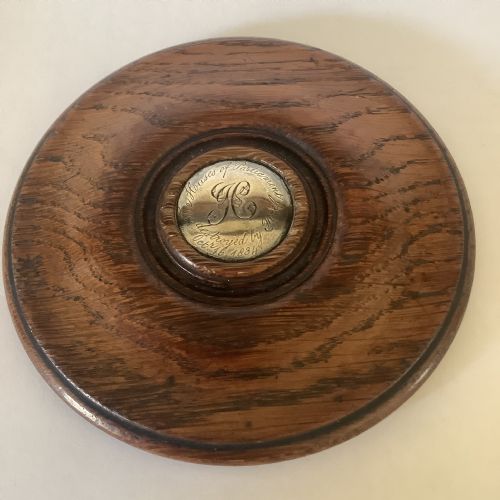
One listed oak snuff box survives directly from the great fire of the Houses of Parliament in 1834.
What varies in quality
Quality separates plain utility boxes from ambitious presentation pieces by notable silversmiths. Heavier gauge silver and deeply chased floral decoration indicate superior workshop output.
In wooden examples, the choice of well-figured rosewood and the precision of the sarcophagus shape define the grade. Crispness in the maker marks and clarity in the engraving also distinguish finer items.
Thomas Shaw·Joseph Willmore·John Caw·Edward Smith·Nathaniel Mills
The William IV Trinket Box Glossary
- Vinaigrette
- A small ornamental box featuring an internal pierced grille that held a sponge soaked in aromatic vinegar. These were carried for protection against foul odours.
- Sarcophagus-shaped
- A box design tapering towards a flat top, mimicking the ancient tomb form popular in furniture of the period. This profile gives wooden jewellery boxes a weighty architectural presence.
- Silver gilt
- Sterling silver coated with a thin layer of gold through fire gilding or electroplating. This technique provides a rich yellow sheen and protects the interior metal.
- Hallmark
- A series of stamped symbols indicating the standard of silver, the assay office, and the date letter. These marks verify the metallic purity and origin of the piece.
- Chased
- Metal decoration beaten with hammers and punches from the front to raise low relief patterns. Floral motifs frequently decorate the borders of silver boxes in this manner.
William IV Trinket Box: Frequently Asked Questions
What is the difference between a snuff box and a jewellery box?
Snuff boxes are pocket-sized metal containers designed to hold dry tobacco for inhalation. Jewellery boxes are larger wooden receptacles lined for storing rings and trinkets.
Silver snuff boxes often feature internal gilt washes and tight-fitting lids. Rosewood jewellery boxes utilise hinged lids and compartmented interiors.
How can I tell a silver gilt box from solid gold?
Silver gilt items display hallmarks indicating sterling silver beneath the gold layer. Over time, handling reveals the white silver showing through where the gold has worn thin.
Testing the metal density or checking the hallmarks clarifies the composition. Genuine solid gold boxes of this era are exceptionally uncommon.
Why do some boxes have pierced grilles inside?
Those pieces are vinaigrettes rather than standard snuff boxes. The internal grille lifts out to reveal a sponge soaked in vinegar.
Users inhaled the vapours when confronted with unpleasant street smells. The pierced metalwork often displays intricate floral or geometric piercing.
How do I care for a rosewood jewellery box?
Keep wooden boxes away from direct sunlight and sudden temperature changes to prevent the rosewood from splitting. Dust gently with a dry cloth and avoid liquid polishes.
Maintaining a stable room humidity preserves the integrity of the antique inlays and the polished timber surface.
What defines the style of this period?
The style sits between late Georgian formality and early Victorian ornamentation. Pieces display architectural silhouettes like the sarcophagus alongside naturalistic chased foliage.
Craftsmen balanced structural restraint with decorative flourishes in both silver and hardwoods.