


Burr Wood Trinket Box
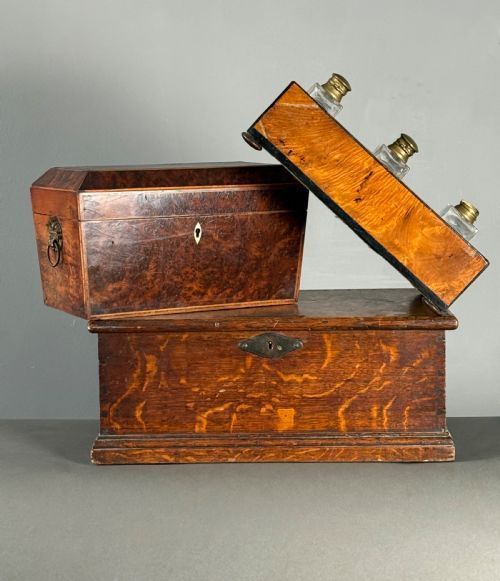
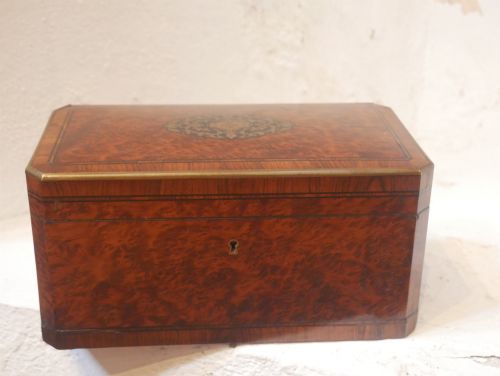
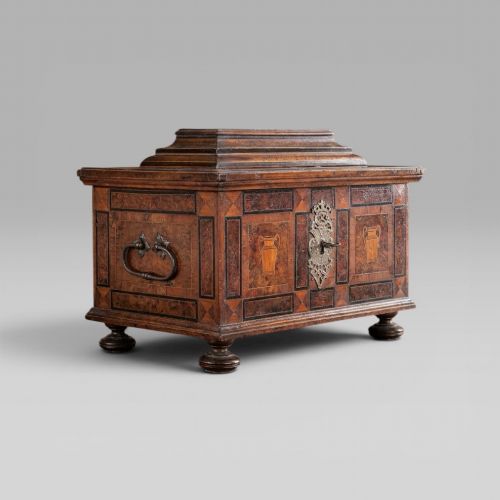
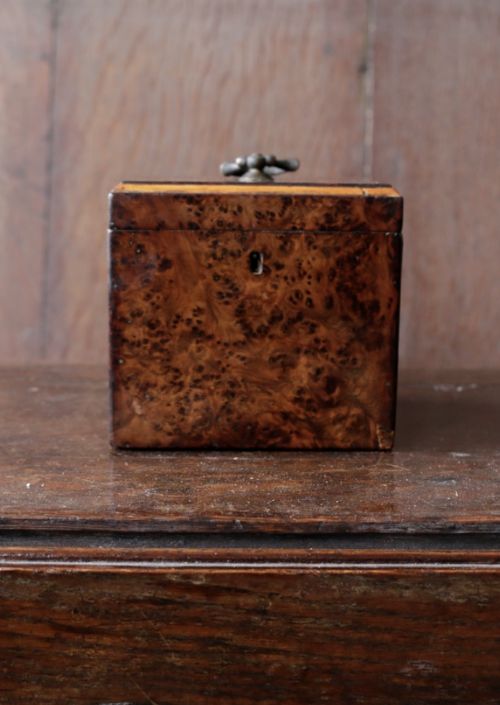
These burr wood trinket box examples showcase remarkable natural grain patterns prized for dressing tables and desks since past centuries.
Burr Wood Trinket Box
A burr wood trinket box brings together distinctive swirling timber growths and practical storage for small valuables. Buyers seeking a burr wood trinket box encounter forms ranging from miniature chests and caskets to tea caddies and snuff boxes.
The pieces on this page span several eras, including the seventeenth, eighteenth, and nineteenth centuries, with Georgian and Victorian styles appearing frequently. Makers utilised striking timbers such as amboyna, burr walnut, and burr yew to create these decorative containers.
Makers often shaped these boxes into cubes, semi-circular forms, or miniature furniture pieces like chests of drawers. Brass mounts and mother-of-pearl details frequently enhance the exterior appearance of the wood.
Materials and Construction
Craftsmen selected highly figured burr timbers, specifically amboyna, walnut, and yew, for their chaotic and decorative grain patterns. These woods were sliced into veneers or shaped from solid blocks to form the body of the box.
Metal elements such as brass banding and hinges were integrated to reinforce corners and secure lids on caskets and tea caddies. Additional ornamentation, including bone and mother-of-pearl inlay, was carefully fitted into recesses carved into the wood surface.
Listings feature eighteenth and nineteenth-century boxes incorporating brass, bone, and mother-of-pearl details alongside native and exotic timbers.
Factors Affecting Quality
The visual impact of the natural wood grain distinguishes superior boxes from simpler examples, with dense and even burr patterns commanding attention. Artisans who aligned the grain symmetrically across the lid and sides demonstrated a higher level of skill.
The integrity of the construction, including tight joints and original brass hardware, indicates superior workmanship. Boxes retaining intricate details such as internal compartments or original tortoiseshell linings represent the upper tier of surviving pieces.
Tahan Paris
The Burr Wood Trinket Box Glossary
- Burr wood
- A growth on a tree where the grain has grown in a deformed, swirling manner, producing highly decorative patterns when cut. Furniture makers prized these sections for veneering prominent surfaces.
- Tea caddy
- A container designed to store loose tea leaves securely, often featuring internal compartments and a lock. These boxes date predominantly from the Georgian and Victorian periods.
- Snuff box
- A small hinged box used for holding powdered tobacco, known as snuff, during the eighteenth and nineteenth centuries. They were frequently carried in pockets or kept on tables.
- Casket
- A box with a lid, often ornamented, used for storing valuables, jewellery, or documents. Older examples from the seventeenth century typically feature robust timber construction.
Burr Wood Trinket Box: Frequently Asked Questions
What is a burr wood trinket box used for?
These boxes served historically to hold small valuables, jewellery, or personal items like snuff on dressing tables and desks.
Today, they function similarly while serving as decorative display pieces that highlight historic cabinet making skills.
How do I date a burr wood box?
Dating relies on examining the construction methods, hinges, internal fittings, and the prevailing style of the period, such as Georgian or Victorian.
Timber choices and secondary woods inside the box also provide reliable clues regarding the decade of manufacture.
What is the difference between amboyna and burr walnut?
Amboyna is an exotic timber characterised by small, densely packed golden spots within a rich reddish-brown burr grain.
Burr walnut displays larger, swirling patterns with dark brown streaks characteristic of European walnut tree growths.
How should I clean antique burr wood?
Maintenance requires gentle dusting with a soft, dry cloth to prevent accumulation of dirt in the recesses of the grain.
Avoid using modern liquid polishes or water, as moisture damages historic polished wood surfaces and fragile veneers.