



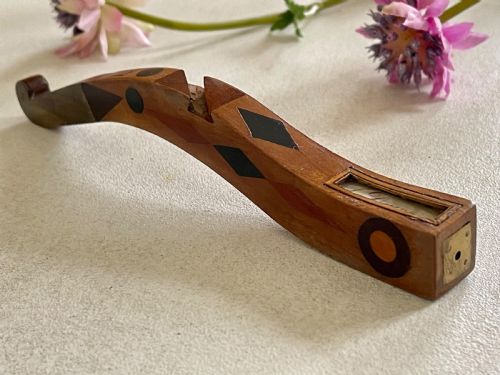

Nineteenth Century Stick
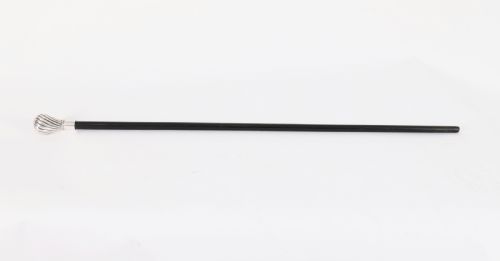
When you search for nineteenth century stick, you enter a diverse grouping that spans utilitarian furniture, walking aids, and household brassware.
Nineteenth Century Stick
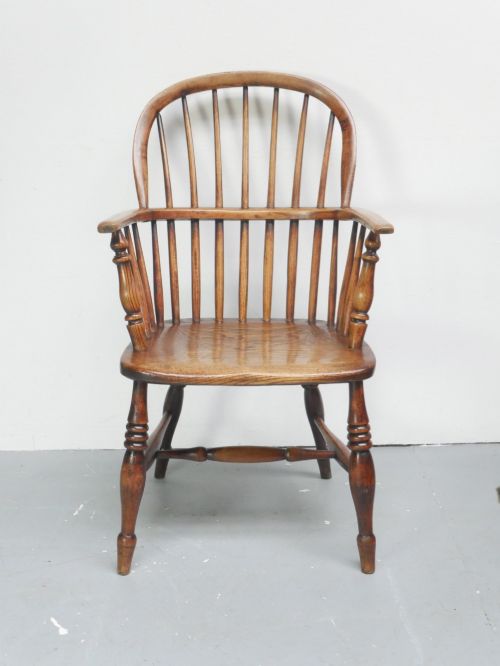
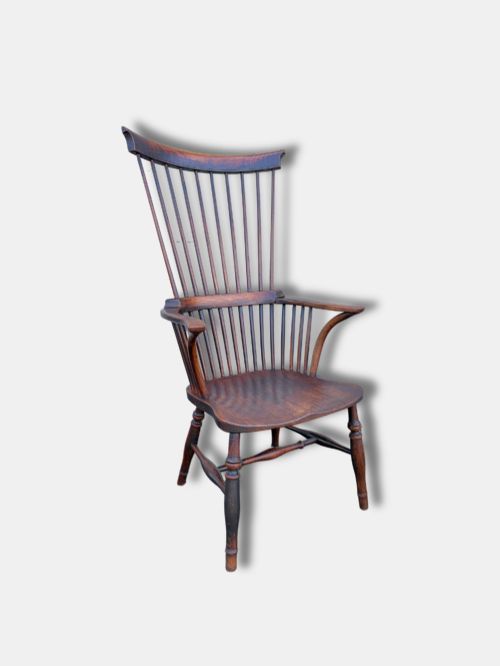
Beyond walking aids, the selection encompasses seating featuring traditional construction methods, such as stick back armchairs and Windsor chairs utilising ash, elm, and oak. Lighting equipment and barometers also appear frequently among the listings, extending the category into domestic furnishings of the period.
Origins span British, French, and Chinese workshops, uniting vernacular rural craft with urban manufacturing. Buyers encounter items defined by distinct regional styles, from English folk art and primitive vernacular to French 19th-century design.
Materials and construction
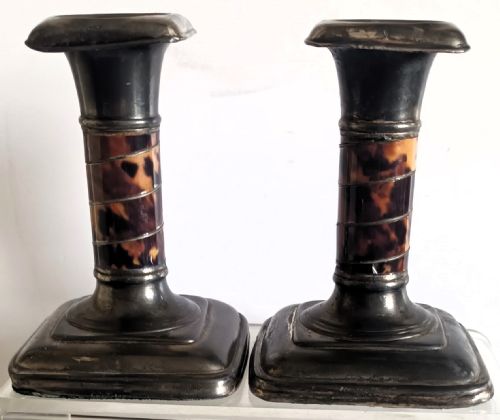
Makers utilised a diverse palette of materials, combining woods such as ash, elm, yew, fruitwood, and satinwood with metals including brass, bronze, cast iron, steel, and silver plate. Organic elements like horn, tortoiseshell, shark vertebrae, and mother-of-pearl frequently provide decorative contrast on canes and scientific instruments.
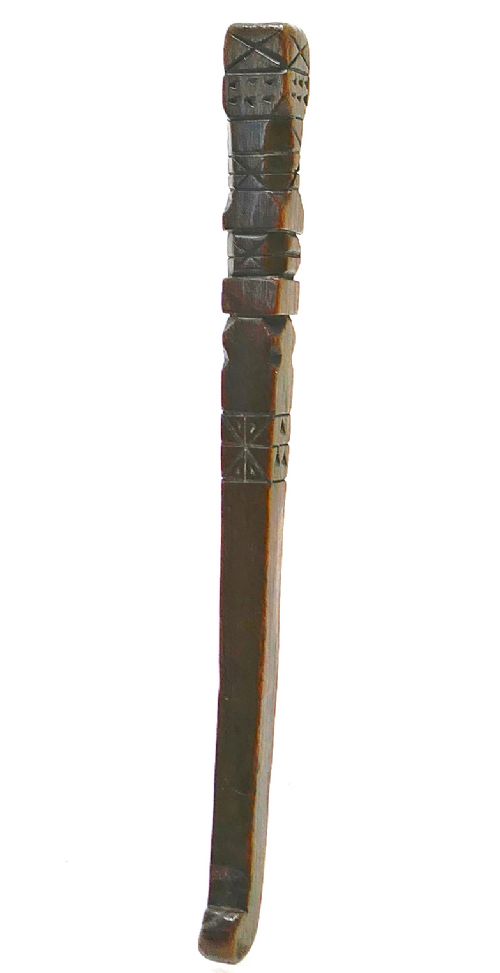
Techniques range from steam-bending and coopered barrel construction for seating and stick stands to intricate punchwork, incised line decoration, and metal casting. Details such as silver knops, gold-plated collars, and porcelain handles demonstrate the high level of specialised craftsmanship applied to functional objects.
Nineteenth Century Stick Retail Price Guide 2026
Typical asking prices for nineteenth century stick among the pieces listed under this phrase on Sellingantiques today, from the lower quarter to the upper quarter. They describe what is for sale here now, not the wider market.
Listings for nineteenth century stick items combine practical hallway furnishings with scientific barometers and personal walking accessories in wood, brass, and iron.
Distinctions in quality
Quality reveals itself in the integrity of the materials and the precision of the assembly, whether in the joinery of a stick back chair or the housing of a barometer. Finer examples display harmonious proportions and uncompromised structural elements that have survived decades of domestic use.
The degree of artistic embellishment further separates standard items from exceptional pieces, such as those featuring inlaid tortoiseshell, carved ivory substitutes, or hand-painted porcelain handles. Maker signatures and presentation inscriptions add documented provenance that elevates the standing of an individual piece.
The Nineteenth Century Stick Glossary
- Stick back
- A chair construction method where turned spindles or sticks form the backrest, commonly seen in regional vernacular seating.
- Treen
- Small handmade wooden household objects of an early date, often formed through turning or carving.
- Barometer
- A scientific instrument used for measuring atmospheric pressure to forecast weather, frequently housed in mahogany or satinwood cases during this period.
- Coopered
- Made by assembling curved wooden staves bound with metal hoops, a technique utilised for traditional umbrella and stick stands.
- Sword stick
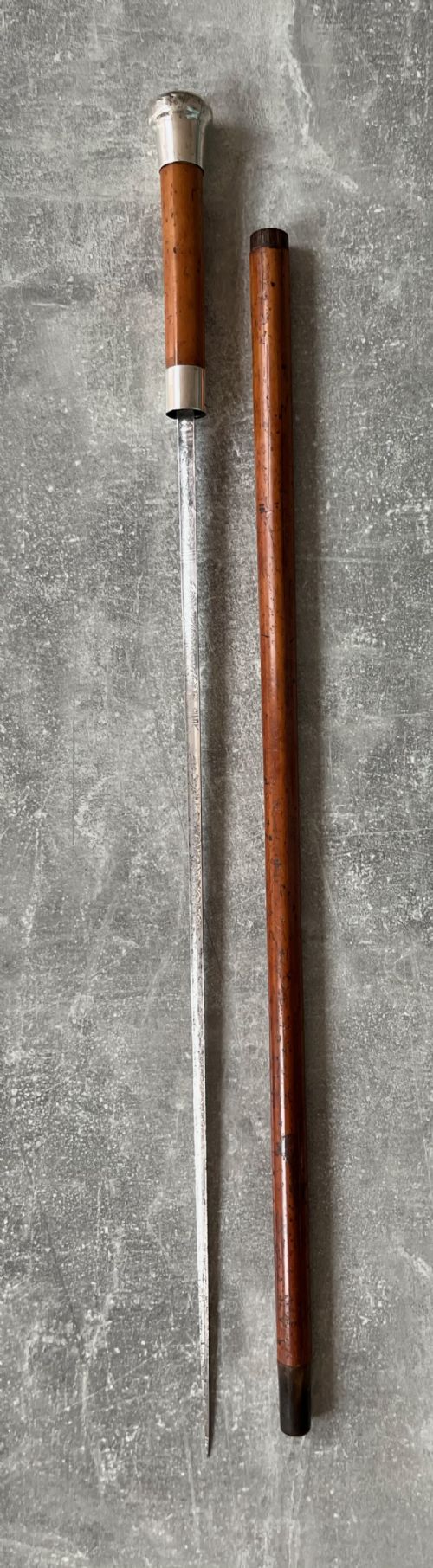
- A walking cane concealing a functional blade within its shaft, often fitted with a horn or porcelain handle.
Nineteenth Century Stick: Frequently Asked Questions
What is a stick stand?
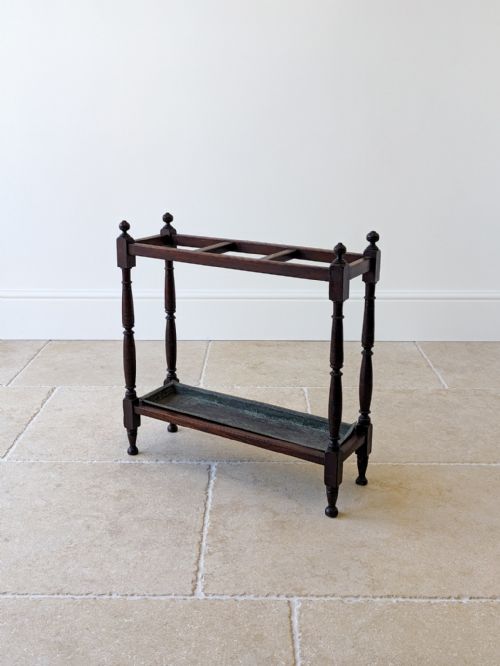
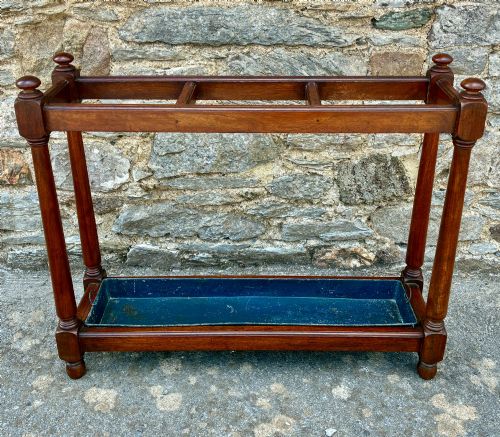
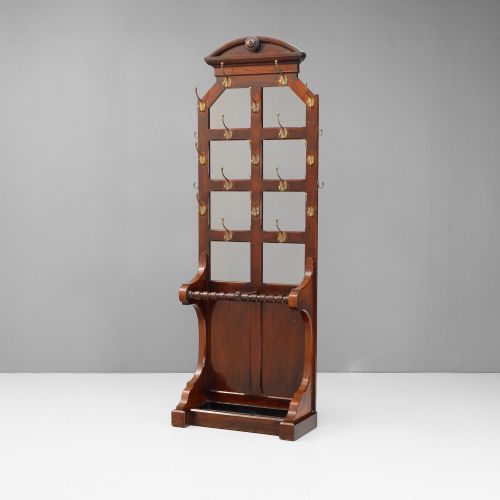
A stick stand is a domestic piece designed to hold walking canes, umbrellas, and parasols upright in a hallway or entryway.
Materials commonly include cast iron, wrought iron, and brass-bound coopered oak, often featuring drip pans below to catch rainwater.
What materials were used for walking sticks?
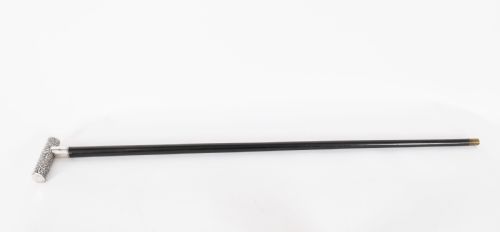
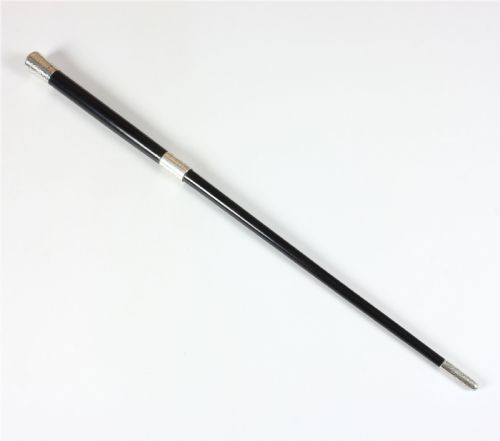
Walking sticks incorporated a vast array of materials, ranging from standard hardwoods to exotic substances such as shark vertebrae and ebony.
Handles frequently featured carved horn, tortoiseshell, mother-of-pearl, or Sevres porcelain, occasionally concealing a sword blade inside.
How should I care for wooden treen and furniture?
Wooden items require a stable indoor environment away from direct sunlight and rapid humidity fluctuations to prevent splitting.
Application of appropriate wax polish helps maintain the natural finish and preserves the historic surface patina.