



Silver Novelty Cane
A silver novelty cane is a walking stick featuring a sculpted animal head or concealed mechanism, prized by collectors for its wit and craftsmanship.
Silver Novelty Cane
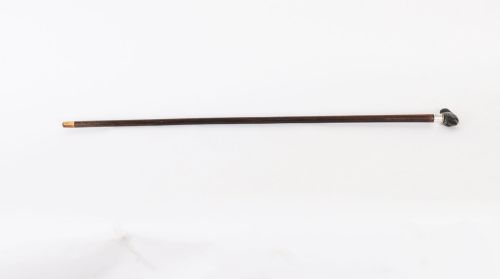
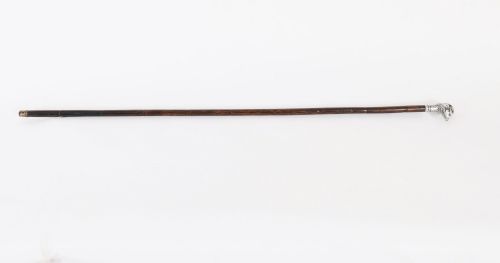
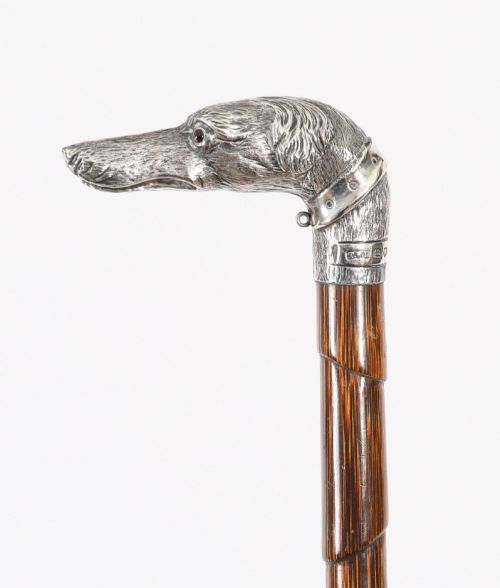
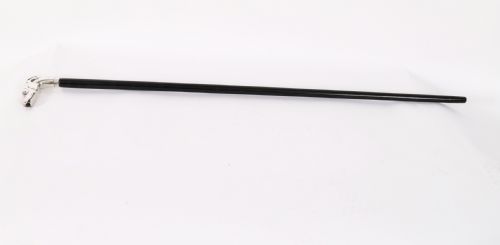
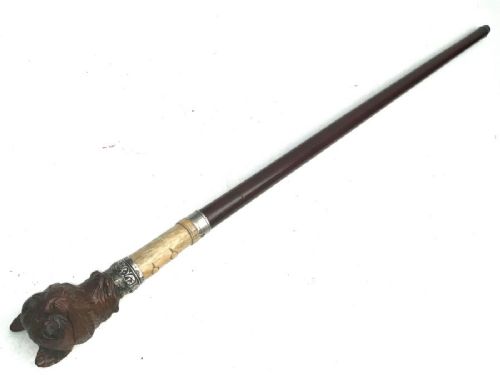
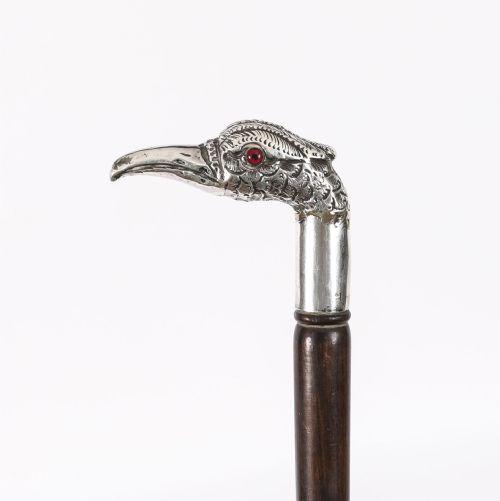
A silver novelty cane combines utility with sculptural flair, often taking the form of animal heads such as greyhounds, swans, ducks, parrots, horses, pheasants, boars, rabbits, and hares. These pieces date principally from the Victorian, Edwardian, and Art Deco periods, spanning the nineteenth and early twentieth centuries.
Many examples incorporate practical gadgets within the shaft or handle, including hidden swords, snuff boxes, corkscrews, watches, and golf club formations. The selection includes both gentleman's walking sticks and ladies' parasol handles.
Originating from British, French, and international makers, these items reflect the sophisticated accessory trends of past eras. The common thread across the inventory is the presence of silver mounts paired with sturdy shafts.
How they were made
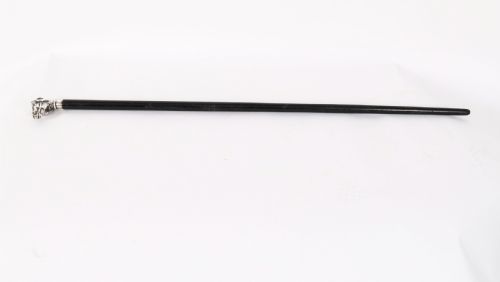
Handles are typically cast or hand-worked in silver or sterling silver, shaped into detailed fauna or mechanical compartments. Shafts utilise traditional materials such as wood, hardwood, ebonised wood, horn, glass, and snakewood.
Metal components often bear hallmarks indicating assay offices and dates, while internal gadgets like swords and corkscrews are fitted securely into the wooden bodies. Skilled artisans combined metalworking and woodworking techniques to balance weight and utility.
Silver Novelty Cane Retail Price Guide 2026
Typical asking prices for silver novelty cane among the pieces listed under this phrase on Sellingantiques today, from the lower quarter to the upper quarter. They describe what is for sale here now, not the wider market.
Several walking sticks double as golf clubs, proving that past generations took their putting practice very seriously indeed.
What varies in quality
The choice of shaft material also influences the piece, with exotic woods like snakewood or ebonised timber sitting alongside standard hardwoods. Intricate functional additions like working snuff boxes or hidden corkscrews elevate the sophistication of the cane.
Asprey
The Silver Novelty Cane Glossary
- Hallmark
- An official stamp applied to precious metals indicating the purity, maker, and year of testing. These marks help verify the origin of silver handles.
- Ebonised wood
- Timber treated to resemble ebony through a dark staining process. It provides a dense and uniform dark finish for walking stick shafts.
- Snakewood
- A heavily figured dense hardwood named for its mottled pattern resembling snake skin. It was utilised for high-status walking cane shafts.
- Gadget cane
- A walking stick fitted with a concealed utility such as a blade, watch, or snuff box. These pieces served a dual purpose for the owner.
Silver Novelty Cane: Frequently Asked Questions
What is a silver novelty cane?
A silver novelty cane is a walking stick featuring a decorative silver handle shaped like an animal head or incorporating a hidden mechanism.
These pieces served as fashion accessories and practical tools for gentlemen and ladies during the nineteenth and early twentieth centuries.
How were sword sticks used?
Sword sticks housed a concealed blade within the wooden shaft, released by a locking mechanism near the handle.
They provided personal protection and fashion status for Victorian and Edwardian pedestrians navigating city streets.
What materials are used in these canes?
Handles are fashioned from solid silver or sterling silver, whilst shafts employ woods like ebonised timber, hardwood, and snakewood.
Some examples also incorporate horn, glass, and steel components for added durability or internal mechanics.
How do I identify the date?
Dates are typically identified through silver hallmarks stamped onto the metal handle, referencing assay office records and active period styles.
Stylistic indicators from Victorian, Edwardian, and Art Deco eras also guide dating when hallmarks are absent or rubbed.