

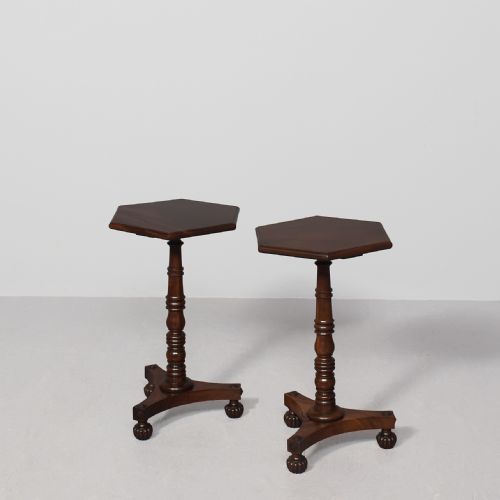
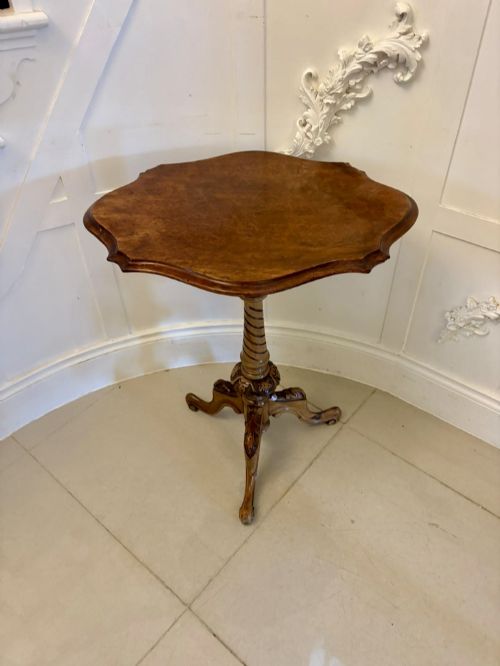
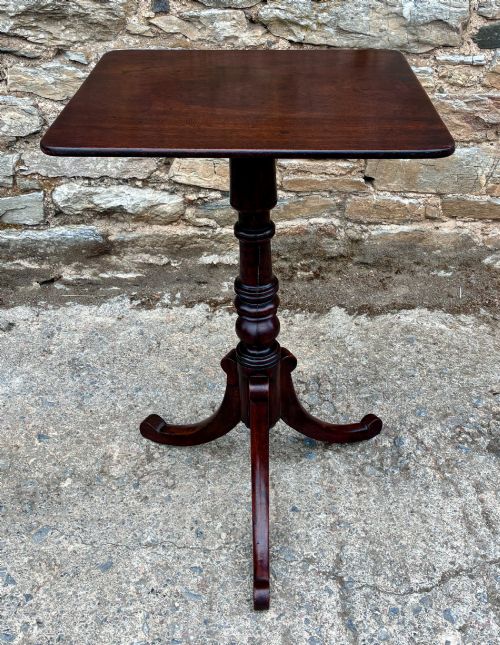


Nineteenth Century Pedestal Stand
A nineteenth century pedestal stand brings elevation and classical proportion to a room, serving drinks, plants or sculpture with quiet utility.
Nineteenth Century Pedestal Stand
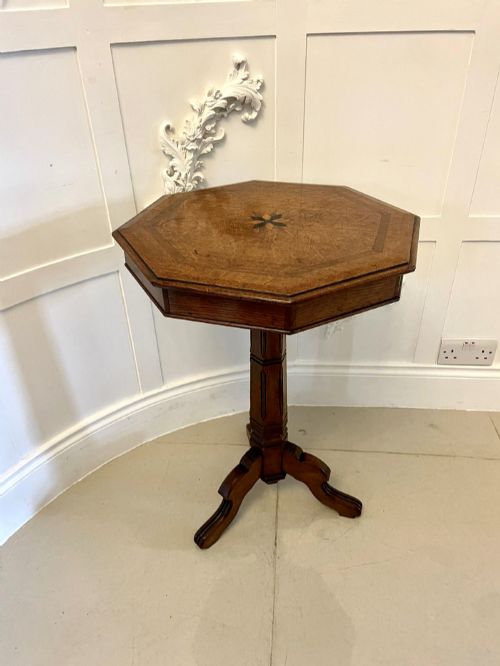
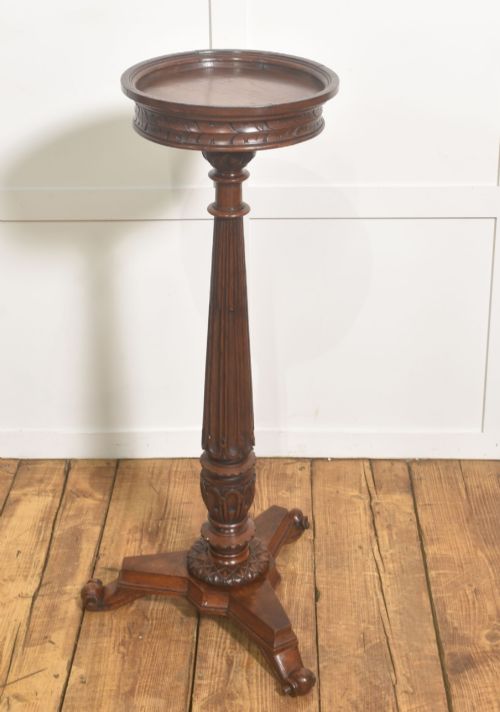
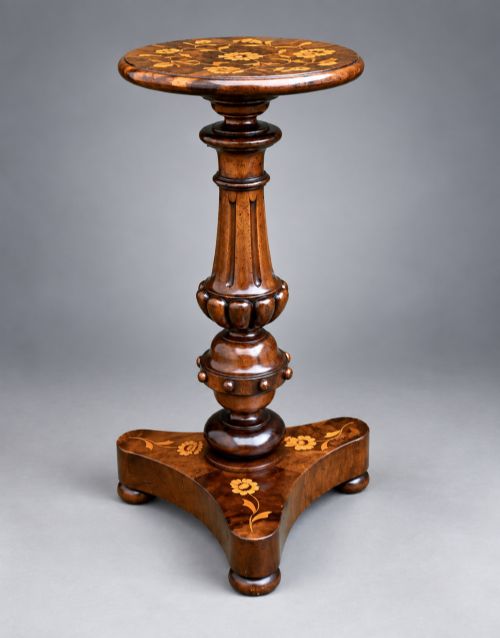
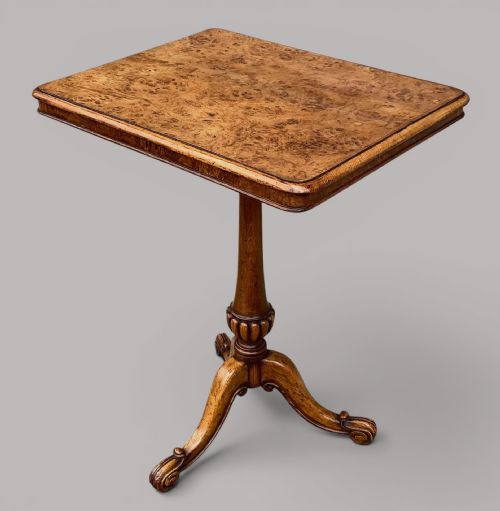
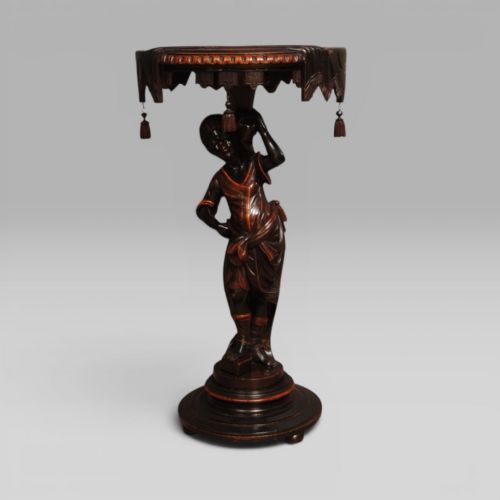
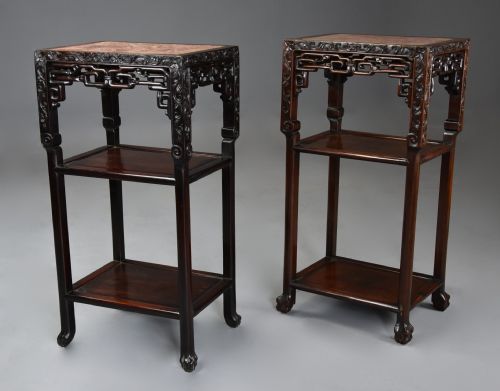
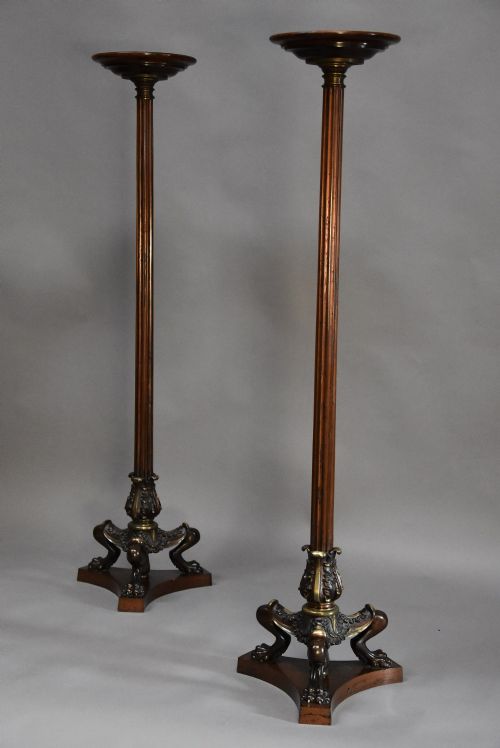
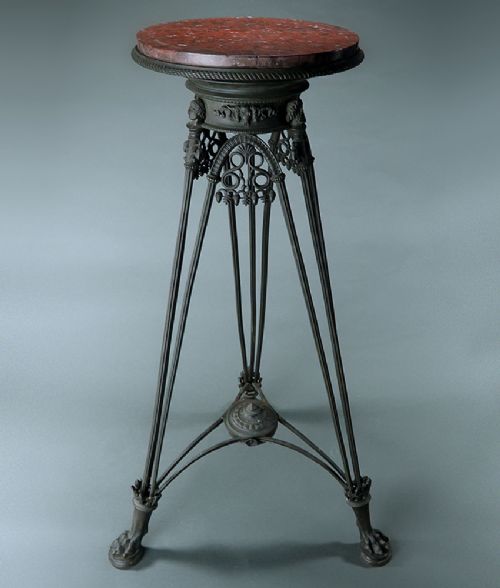
A nineteenth century pedestal stand encompasses a diverse group of elevated supports, from wine tables and plant stands to torcheres and marble columns. Buyers encounter frequent examples in mahogany and rosewood, alongside occasional pieces in walnut, oak, and exotic hardwoods.
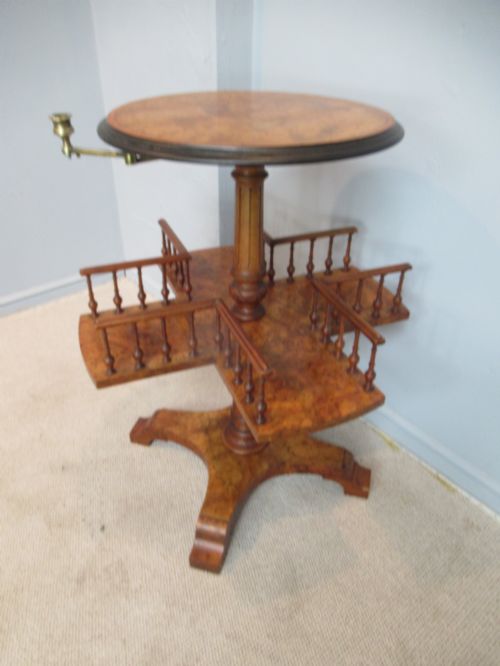
The selection ranges across the Victorian, Regency, and William IV eras, incorporating styles such as Aesthetic Movement, Chinese Export, and French revival designs. Tripod bases and circular tops dominate the forms, joined by multi-tiered tables, revolving bookstands, and heavy stone columns.
Geographic origins span across Britain, France, Sweden, and China, reflecting international tastes in nineteenth-century domestic interiors. These pieces served varied domestic purposes, functioning as lamp tables, smoking stands, or display surfaces for decorative ceramics and horticulture.
Materials and Technique
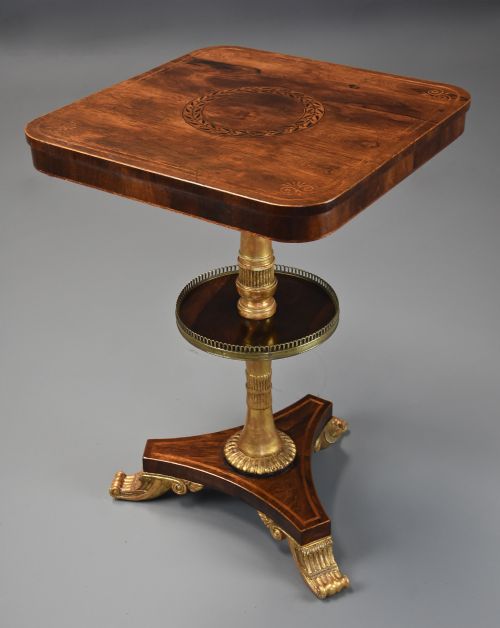
Cabinetmakers utilised dense timbers including mahogany, rosewood, burr oak, and walnut, frequently selecting figured veneers for table tops and panel surfaces. Construction methods relied on robust turning for central columns and sturdy tripod or plinth bases to ensure stability under heavy loads.
Surface embellishment often involved boxwood stringing, brass mounts, or carved details executed in hardwood and pine. Marble inserts, tile tops, and polychromed finishes appear across French and Italian inspired columns and guéridons, introducing contrasting textures to the timber structures.
Nineteenth Century Pedestal Stand Retail Price Guide 2026
Typical asking prices for nineteenth century pedestal stand among the pieces listed under this phrase on Sellingantiques today, from the lower quarter to the upper quarter. They describe what is for sale here now, not the wider market.
Several stands feature adjustable shaving mirrors, proving that nineteenth-century grooming occasionally required a sturdy pillar and a pivot.
Distinctions in Execution
Quality rests in the precision of the timber selection and the crispness of the carving on columns and pillar supports. Finer examples display harmonious proportions where the weight of the base securely balances the diameter of the top without awkward transitions.
The integrity of the original construction separates superior pieces from heavily restored alternatives, particularly in tilt-top mechanisms, revolving bookstands, and joint stability. Superior cabinetmaking shows in seamless veneer matching and restrained brass or boxwood inlay that enhances rather than overpowers the natural grain.
HOWARD & SONS·Gillows·C.G. Schierholz & Sohn
The Nineteenth Century Pedestal Stand Glossary
- Torchere
- A tall stand designed to support a candelabrum, lamp, or decorative object. These slender fixtures often feature carved wooden columns or classical revival motifs.
- Guéridon
- A small French table supported by a single central pillar or column. They frequently incorporate marble tops and brass mounts typical of nineteenth-century reception rooms.
- Tilt top
- A table mechanism allowing the surface to pivot to a vertical position when not in use. This clever design saved floor space in smaller period interiors.
- Jardiniere
- A decorative container or stand intended to hold indoor plants or flowers. In this period, they appeared in earthenware, majolica, porcelain, and carved hardwood.
- Stringing
- A narrow strip of contrasting wood inlaid into the surface veneer to form geometric borders. Cabinetmakers utilised boxwood or ebony to outline table tops and drawer fronts.
Nineteenth Century Pedestal Stand: Frequently Asked Questions
What rooms suit a pedestal stand?
These elevated surfaces fit easily beside armchairs, in dark corners needing a lamp, or as central displays for vases and sculpture. Their compact footprints allow them to occupy tight spaces where a standard four-legged table proves too large.
In living areas or hallways, a small wine table or plant stand adds vertical interest without cluttering the floor plan. Heavier marble columns function effectively as sculptural plinths for artwork.
How do I spot a tilt top table?
Examine beneath the table surface for a wooden or brass catch mechanism that releases the top from its horizontal position. When unlocked, the surface pivots upward on a pivot block attached to the central pillar.
Original mechanisms should operate smoothly without excessive wobble in the pivot joint. Many nineteenth-century examples retain their original brass butterfly catches or wooden locking wedges.
Are marble topped stands heavy?
Marble inserts and solid stone columns add substantial weight to these pieces, which helps anchor tall or slender supports securely to the floor. While this makes them stable for displaying heavy ceramics or lamps, lifting them requires care.
The stone slabs usually sit loose within a wooden frame or are secured with historical mortar, meaning the top should be removed separately before attempting to relocate the stand.
How do I date a mahogany stand?
Early nineteenth-century pieces from the Regency and William IV periods typically feature rich, dark mahogany with heavy central pillars and triform bases. Finer grain figures and simpler tripod lines often indicate later Victorian or Aesthetic Movement production.
Look at the construction of the underside and joint fixings for clues, as hand-cut screws and secondary pine framing generally point toward earlier craftsmanship.