





Nineteenth Century Oval Mirror
A nineteenth century oval mirror brings instant depth and curved elegance to a room, drawing the eye with classic period frames.
Nineteenth Century Oval Mirror
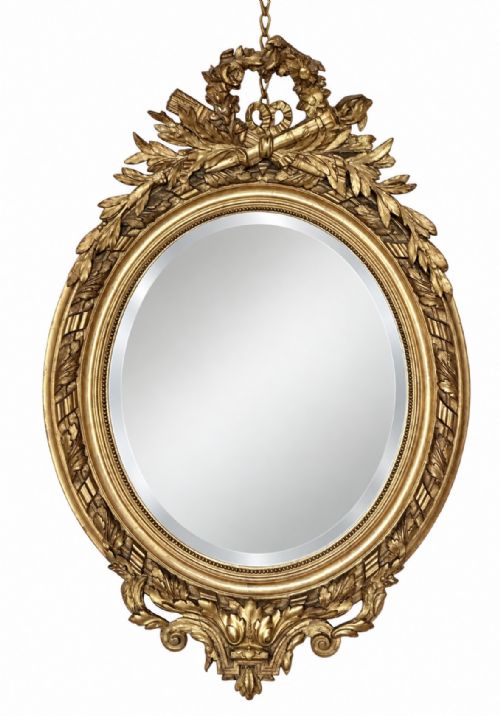
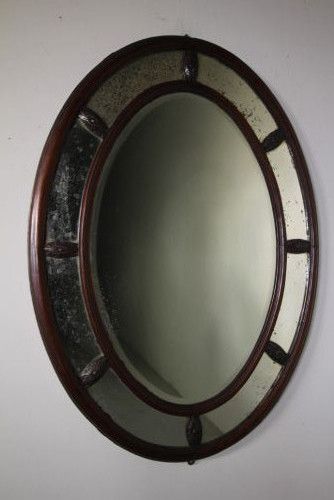
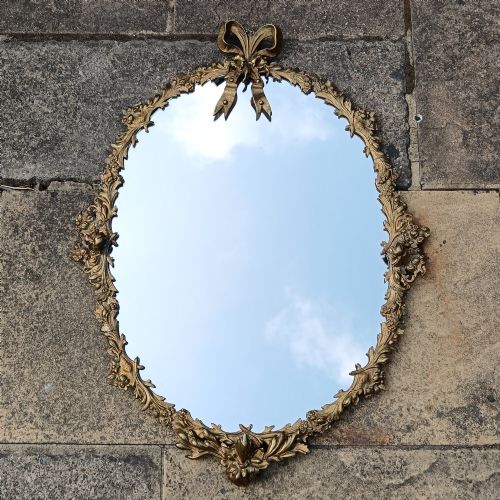
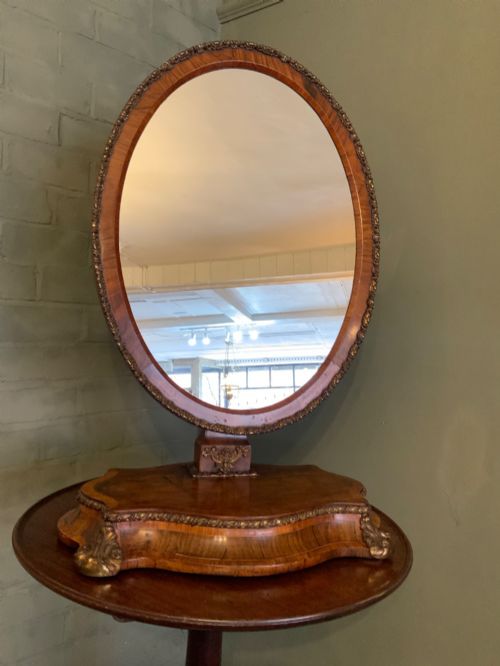
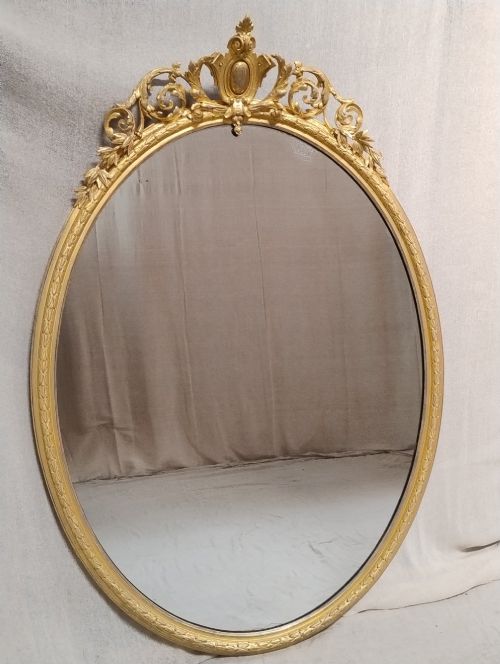
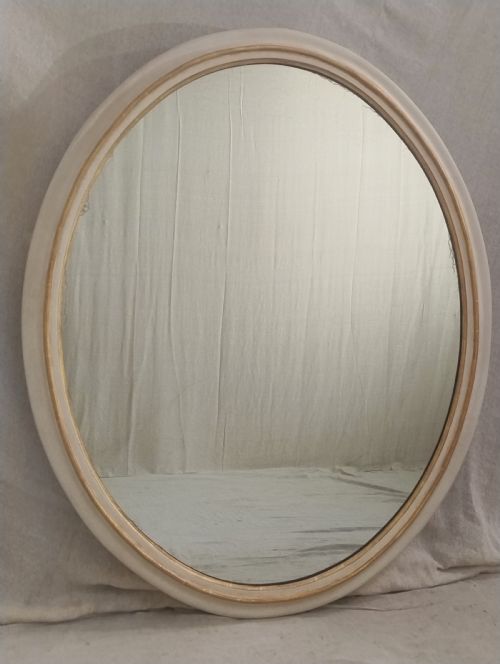
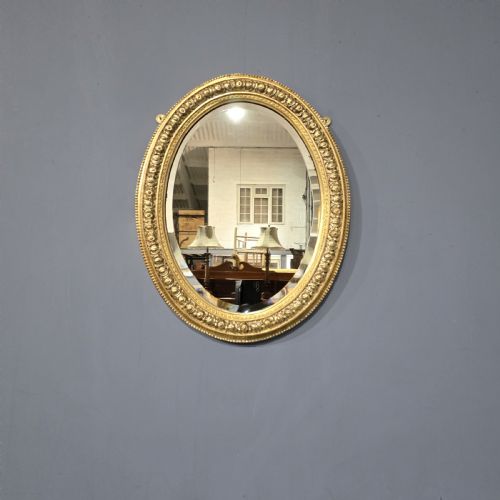
A nineteenth century oval mirror takes many forms across this selection, appearing as wall mirrors, dressing table mirrors, and overmantel mirrors. Buyers frequently encounter pieces influenced by French Louis XV and Louis XVI styles, alongside substantial English country house examples.
The periods represented stretch from the Georgian era through the Victorian period, including specific dates such as eighteen-twenty, eighteen-sixty, eighteen-seventy, and eighteen-eighty. Forms range from miniature giltwood pairs to very large parcel gilt and cushion mirror designs.
Construction and Materials
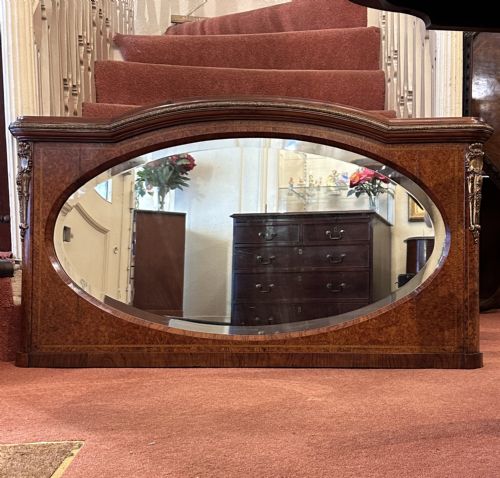
Frames are constructed from timbers such as mahogany, walnut, burr yew-wood, and oak, often enriched with giltwood, gesso, composition, and gold leaf. Some pieces incorporate cast metals like ormolu and gilt bronze to accent the wooden structures.
Reflecting surfaces include mercury plate and bevelled glass housed within original fittings. Parcel gilt techniques highlight specific details of the carved wooden frames.
Listings feature periods spanning from the Georgian era through to eighteen-eighty, incorporating walnut, mahogany, oak, and burr yew-wood.
Assessing Quality
The standard of a nineteenth century oval mirror rests on the crispness of the carving within the giltwood, gesso, or composition frame. Superior examples display deep relief work and refined hand-applied gold leaf rather than heavy, uniform surface layers.
Material selection also dictates distinction, as seen in the choice of dense hardwoods like mahogany and burr yew-wood paired with detailed ormolu mounts. The presence of original mercury plate glass and intact period fittings adds considerable weight to a piece.
The Nineteenth Century Oval Mirror Glossary
- Giltwood
- Wood carved and coated with gold leaf or metallic paint. This finish creates a bright, reflective surface popular in formal period framing.
- Gesso
- A plaster-like mixture applied to wood surfaces and carved before gilding. It allows for intricate decorative relief work on frames.
- Ormolu
- Finely ground high-karat gold-mercury amalgam cast onto bronze. It provides ornamental mounts and luxury detailing on furniture and mirror frames.
- Mercury plate
- An antique mirror glass produced using a tin-mercury amalgam. This technique creates a distinctive, slightly uneven reflection valued by collectors.
- Overmantel mirror
- A large mirror designed to hang above a fireplace mantel. These pieces often anchor the proportions of a reception room.
Nineteenth Century Oval Mirror: Frequently Asked Questions
Where should I hang a nineteenth century oval mirror?
These mirrors suit spaces above a fireplace, a dressing table, or a hallway console where the curved frame softens straight architectural lines. Their varied scales allow them to anchor large walls or fit neatly into compact alcoves.
Ensure the wall fixings match the weight of the specific timber and plaster frame to support the piece securely.
How do I care for antique giltwood frames?
Dust the carved surfaces gently with a soft, dry brush to prevent damage to the delicate gold leaf or gesso. Avoid chemical cleaners, water, and modern polish entirely.
Keep the mirror away from direct sunlight and damp environments to protect the underlying wood and historical finish.
Are these mirrors fitted with original glass?
Many retain their original mercury plate or early bevelled glass, which often exhibits characteristic minor foxing and age spots. These natural signs of ageing confirm the period authenticity of the glass.
Replacements do occur over long histories, so examining the fit within the rebate helps determine originality.
What distinguishes French styles from English ones?
French influence appears through Louis XV and Louis XVI revival designs featuring elaborate scrolling, floral motifs, and gilt bronze or ormolu mounts. English examples often lean towards restrained country house mahogany or oak constructions.
Both traditions utilise high craftsmanship but project distinct interior atmospheres.