

Nineteenth Century Oil Portrait
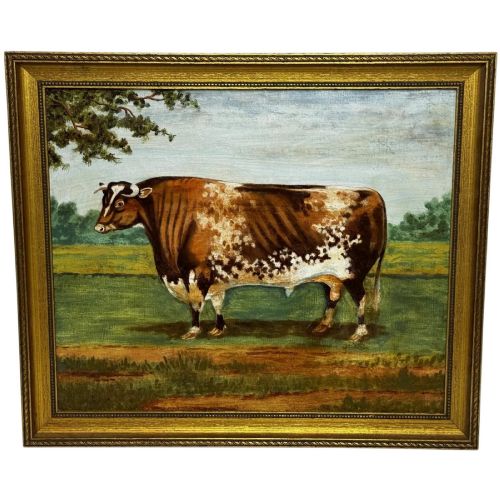
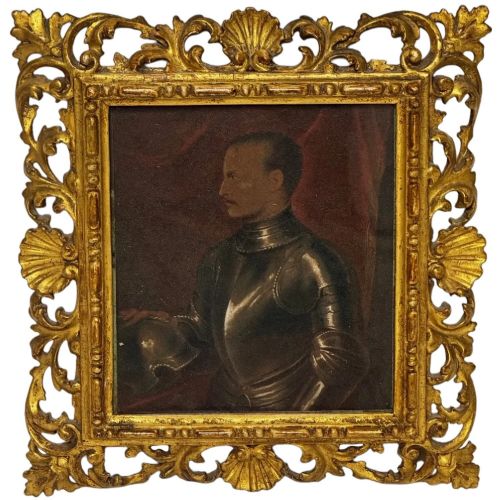
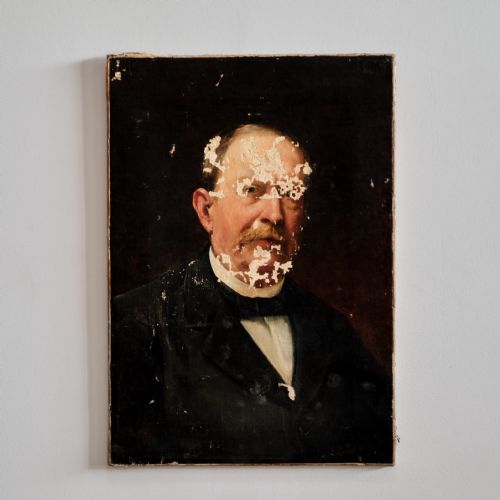
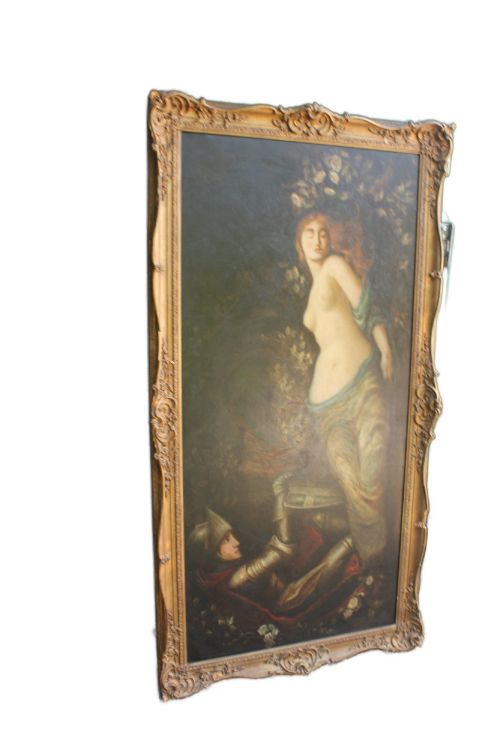
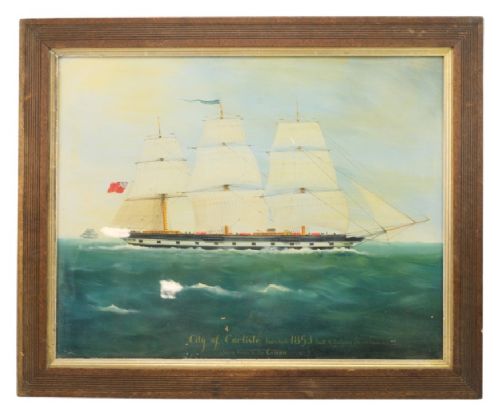
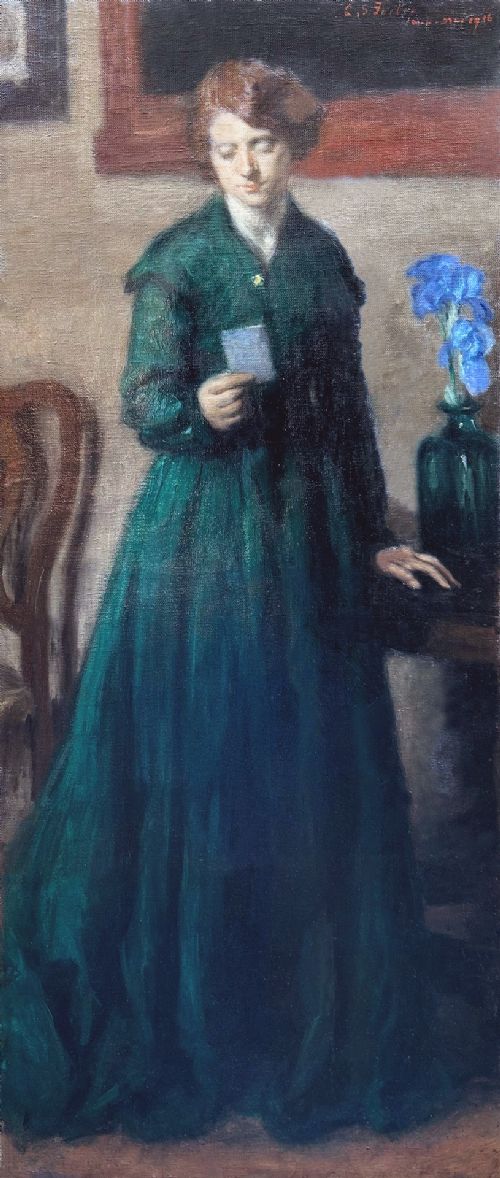
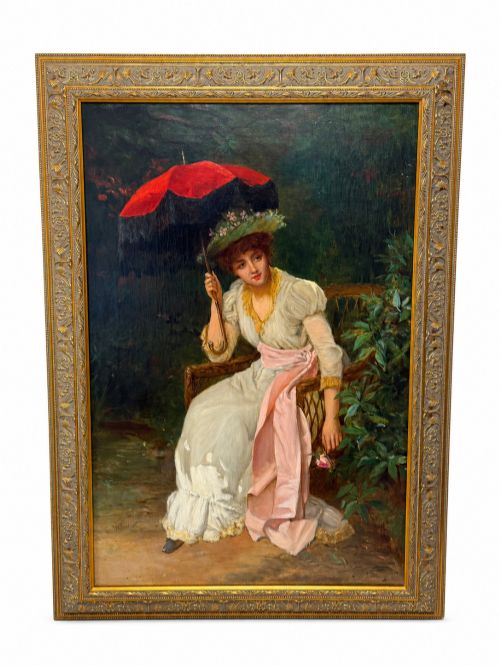
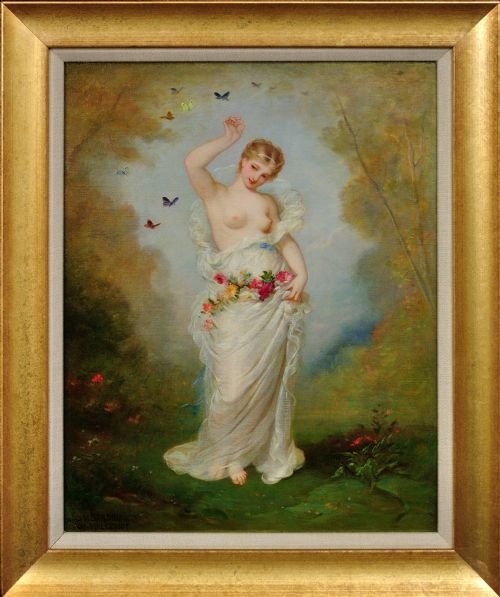
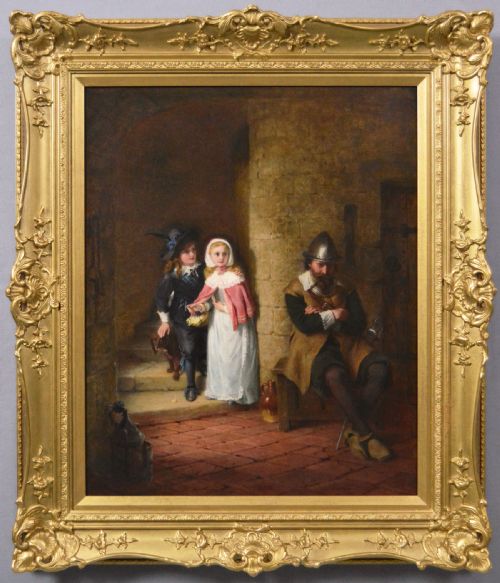
A nineteenth century oil portrait captures an individual likeness with a permanence that flat photography never quite manages, making it a compelling anchor for any room.
What a nineteenth century oil portrait is
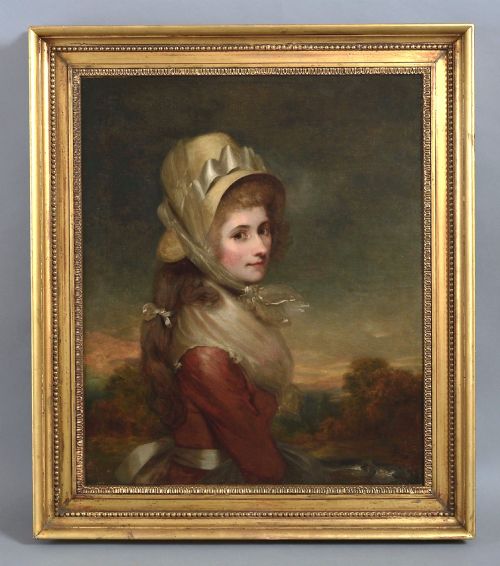
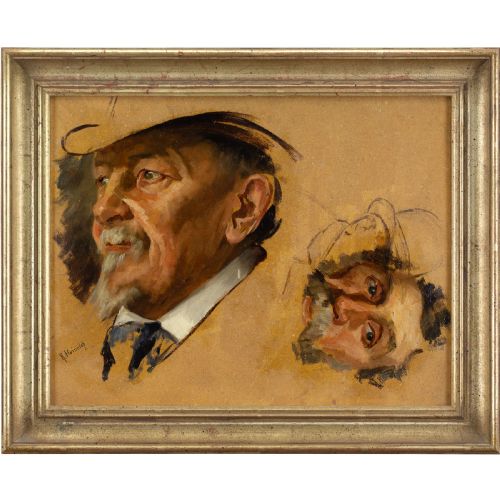
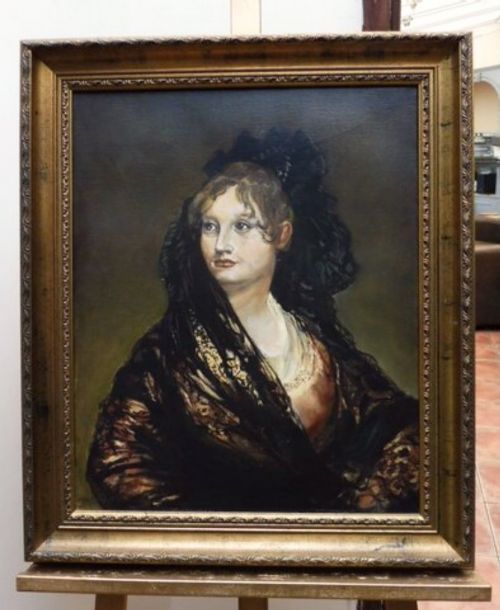
When you search for a nineteenth century oil portrait, you are looking at historical canvas works that record sitters from various decades of that era and beyond. These pieces range from early Regency aristocracy depictions to later Impressionist studies and domestic likenesses.
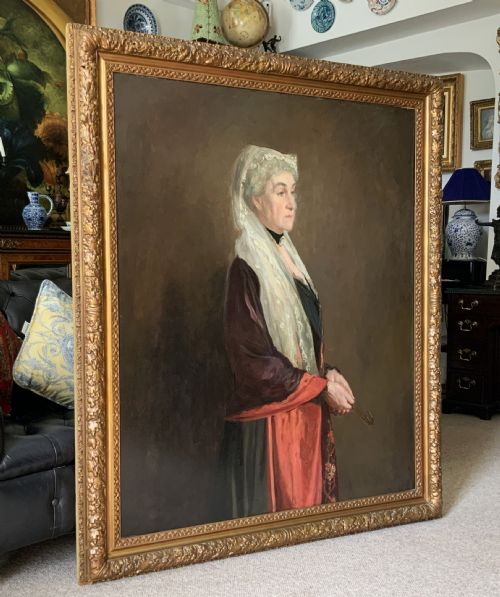
You are most likely to meet canvases portraying named subjects or anonymous sitters framed in period giltwood or gilded wood. The selection spans formal fine art paintings and intimate representations created by named artists or regional British and international schools.
How they were made
Surviving canvases are housed within elaborate timber housings, specifically giltwood and gilded wood frames that complement the formal presentation of the painting. These frames use carved wood finished with gold leaf or metallic gilding.
Retail Price Guide 2026
Typical UK retail prices for nineteenth century oil portrait, calculated from the Sellingantiques database of over a million retail prices indexed since 2003. This retail price guide relies exclusively on Sellingantiques data; no external sources or auction records are used, so the figures do not describe the wider market.
Many historical sitters posed for hours with mechanical head braces hidden just out of frame to prevent them from moving.
What varies in quality
The distinction between ordinary and exceptional works rests upon the precision of the brushwork and the psychological depth achieved in the sitter's expression. Superior examples display confident handling of light and shadow, particularly across the face and hands.
The integrity of the original giltwood frame and the stability of the canvas support further differentiate the pieces. Works with well-preserved surface textures and documented artist attributions stand apart from anonymous decorative output.
The Nineteenth Century Oil Portrait Glossary
- Giltwood
- Wood carved and covered with a thin layer of gold leaf or gold paint. This finish provides a bright, reflective border to frame the canvas.
- Impressionist
- A style involving thin brush strokes and an emphasis on accurate depiction of light. It emerged later in the period, shifting away from rigid academic realism.
- Regency
- The period in British history from 1811 to 1820, characterised by distinct fashions and classicism. Portraits from this era often show specific high-waisted attire and formal poses.
- Provenance
- The chronology of the ownership of a work of art. Documented history helps confirm the authenticity and origin of the sitter.
Frequently Asked Questions
How do I hang a heavy framed portrait?
Ensure your wall fixings are secured directly into masonry or wooden studs to safely support the weight of the timber and plaster frame.
Use heavy-duty picture wire attached securely to the original D-rings on the back of the frame to keep the canvas level.
Should I clean an old oil painting?
Surface dust can be removed gently with a soft, dry brush, but deeper cleaning requires a professional conservator to avoid damaging the paint.
Varnish layers darken over decades, and attempting home remedies often strips the original pigment beneath.
How do I identify the period of a portrait?
Examine the sitter's clothing, hairstyle, and framing style for clues that point to specific decades like the Regency era or the early twentieth century.
Artist signatures, canvas stamps on the reverse, and exhibition labels also help date the work accurately.
Where should I place an oil portrait at home?
Keep the canvas away from direct sunlight and strong heat sources such as radiators to prevent the paint from cracking and the wood from warping.
Choose an interior wall with stable ambient temperature and humidity for long-term preservation.