


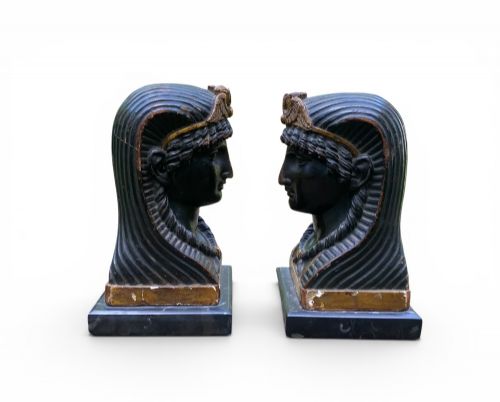


Nineteenth Century Marble Bust
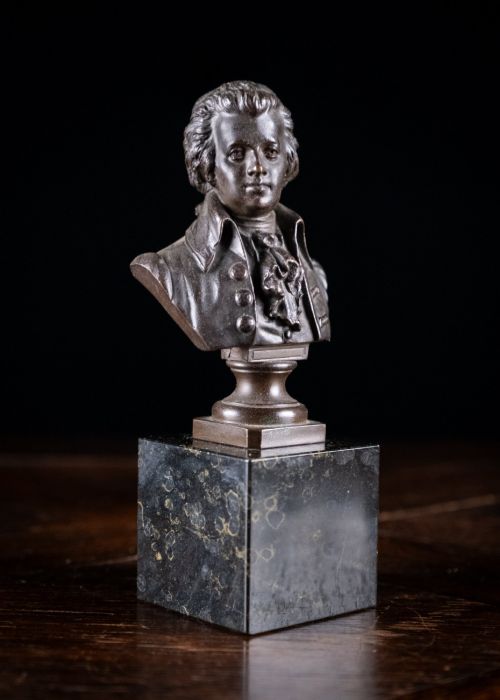
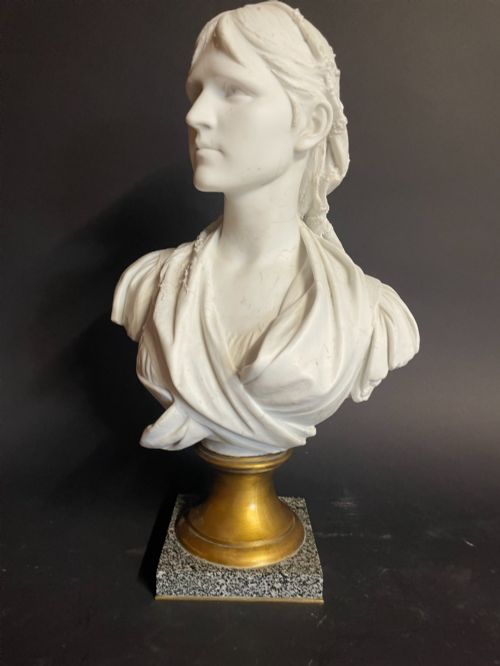
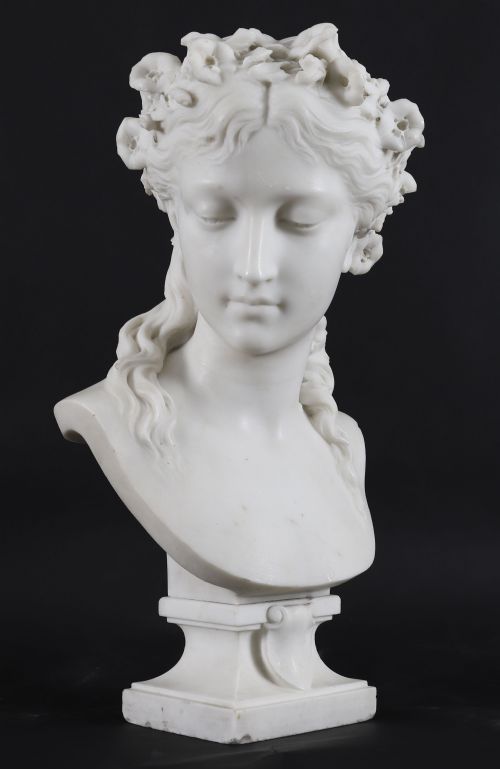
A nineteenth century marble bust brings classical presence and carved dignity into a room, capturing subjects from mythological figures to veiled ladies.
Nineteenth Century Marble Bust
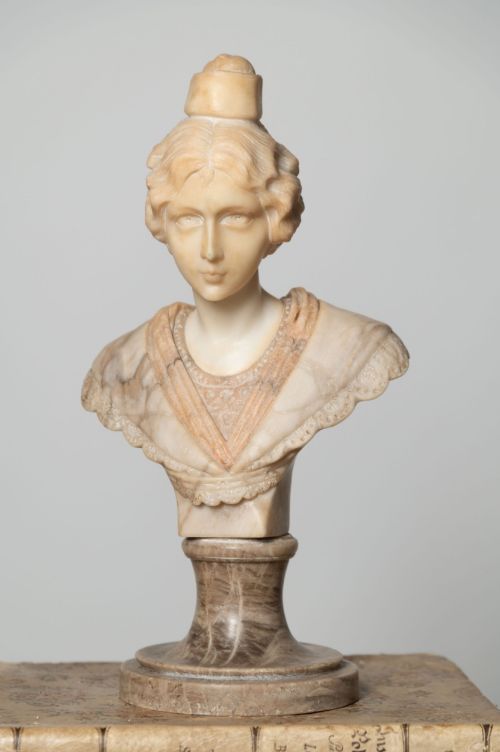
A nineteenth century marble bust represents a sculpted portrait of the head and shoulders, often carved in Italy or France during the eighteen hundreds. Buyers seeking these pieces encounter subjects ranging from mythological muses and classical philosophers to veiled ladies and Dutch girls.
The selections on this page include works fashioned from solid stone alongside variants paired with gilt bronze, ormolu, and contrasting marble bases. Many follow neoclassical or French classical traditions, reflecting the grand taste of the period.
Sculptural forms extend beyond standard portraits to include grand tour bronze studies, alabaster carvings, and complementary pedestal columns. Collectors find both signed sculptural portraits by known makers and unsigned decorative studies originating from European workshops.
Judging Quality and Execution
Quality rests in the sensitivity of the carving, particularly in the rendering of expression, musculature, and the soft fall of fabric or veils. Superior examples display crisp undercut details in the hair and eyes, whereas lesser pieces rely on mechanical polish with softer definition.
The choice of material also dictates distinction, with fine Carrara stone and carefully patinated bronzes holding greater visual weight than simpler compositions. Integration with original bases and pedestals completes the cohesive integrity of the piece.
Listings feature works spanning the nineteenth century, utilising marble, bronze, alabaster, and ormolu within neoclassical, Art Nouveau, and Egyptian Revival styles.
Eugene Aizelin·Thomas Hope·Joseph Gott·E. Villanis
The Nineteenth Century Marble Bust Glossary
- Carrara Marble
- A white or blue-grey stone quarried in Tuscany, widely favored by European sculptors for its fine texture. It provides the smooth, luminous surface seen on many classical portraits.
- Neoclassical
- A style drawing inspiration from the art and culture of classical antiquity. This aesthetic governs the proportion, dignity, and subject matter of numerous nineteenth-century sculptures.
- Ormolu
- Gilded bronze mounts applied to furniture, pedestals, or sculptural bases. The technique involves treating metal with a mercury-gold amalgam to produce a rich golden finish.
- Alabaster
- A fine-grained, translucent stone used for soft-hued sculptural carvings. Its natural translucency allows light to penetrate the surface, creating a warm glow.
- Grand Tour
- A cultural journey undertaken by European elites to view classical antiquities. Souvenirs from these travels included small bronze and marble studies of famous statues.
Nineteenth Century Marble Bust: Frequently Asked Questions
Where should I place a heavy stone bust?
These sculptures require sturdy support due to their substantial stone and metal weight. Placing them on a dedicated pedestal, column, or a reinforced console table ensures stability.
Positioning them away from direct heat sources and heavy foot traffic protects the delicate carved surfaces from accidental knocks.
How do I clean marble and alabaster?
Dusting gently with a soft, dry microfiber cloth removes everyday accumulation without harming the stone. Avoid chemical sprays, abrasive cloths, or excess water, particularly on alabaster which is sensitive to moisture.
Professional conservators should handle stubborn marks or deep cleaning to preserve the original surface patina.
What subjects are most common?
Portraits frequently depict classical figures, mythological characters such as muses and gods, or idealized female studies. Historical likenesses and literary heroines also appear regularly across European workshops.
Many pieces draw directly from antique Roman or Greek models popular during the nineteenth century.
How can I tell a nineteenth-century piece apart?
Examine the tool marks, the consistency of the stone, and the patination on any metal components. Nineteenth-century works often exhibit hand-finished details that differ from later mass-produced casts.
Stylistic cues such as neoclassical drapery or Victorian framing provide further context regarding the period of production.