



Nineteenth Century Mahogany Mirror
A nineteenth century mahogany mirror brings deep timber tones and bright reflective glass together in a form that has anchored period interiors for generations.
Nineteenth Century Mahogany Mirror
When you search for a nineteenth century mahogany mirror, you encounter a wide selection of functional and decorative looking-glasses spanning the Georgian, Regency, William IV, and Victorian eras. These pieces range from small table-top dressing glasses with fitted drawers to large freestanding cheval mirrors designed for bedrooms and dressing rooms.
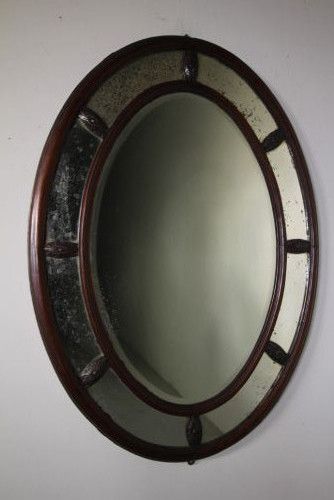
Wall-hanging forms also appear frequently, including compact pier glasses intended for placement between windows, convex mirrors, and substantial overmantel mirrors built to mount above a fireplace. Many incorporate structural timber frames, while others form part of larger furniture pieces such as sideboard backs, wardrobes, and shaving stands.
The aesthetic vocabulary stretches across several distinct design movements, touching upon French Empire, Dutch marquetry inlay, and Empire Revival styles alongside classic English cabinet-making traditions. Consequently, the nineteenth century mahogany mirror adapts readily to both traditional country houses and contemporary domestic spaces.
Materials and Construction
Cabinet-makers relied heavily on solid mahogany and flame mahogany veneer to construct the primary frames and surrounds, often selecting boards with rich, active grain patterns. These timbers were frequently polished to a warm lustre that deepened with age and regular handling.
Reflective surfaces utilised traditional mirror glass, occasionally paired with gilt bronze mounts, brass fittings, or inlaid details in contrasting woods. Structural elements might also integrate secondary timbers and subtle brass pivoting mechanisms on swing mirrors and cheval frames.
Some Victorian pieces incorporate unexpected novelty elements, including horseshoe-shaped frames and dedicated gentleman's shaving stands with adjustable glass.
Assessing Quality
The distinction between standard examples and superior pieces rests on the depth of the timber figuring and the crispness of any carved ornamentation or inlay. Fine execution shows in the seamless matching of flame veneers and the harmonious proportions of the frame relative to the glass.
Construction integrity similarly dictates standing: sturdy floor-standing cheval frames with original brass mounts or well-fitted table mirrors retaining their original drawer compartments demonstrate superior workshop origins. Secondary elements, from the quality of the glass plate to the precision of the joinery, separate everyday utility items from master cabinet-maker output.
Gillows·W.E. Pain of Cambridge
The Nineteenth Century Mahogany Mirror Glossary
- Cheval mirror
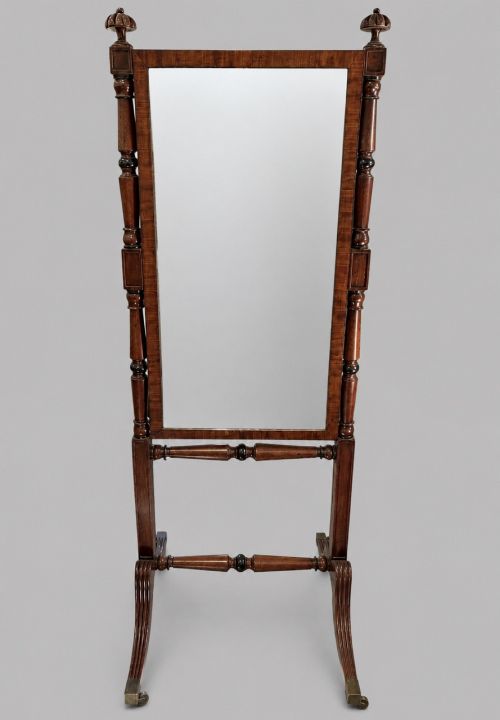
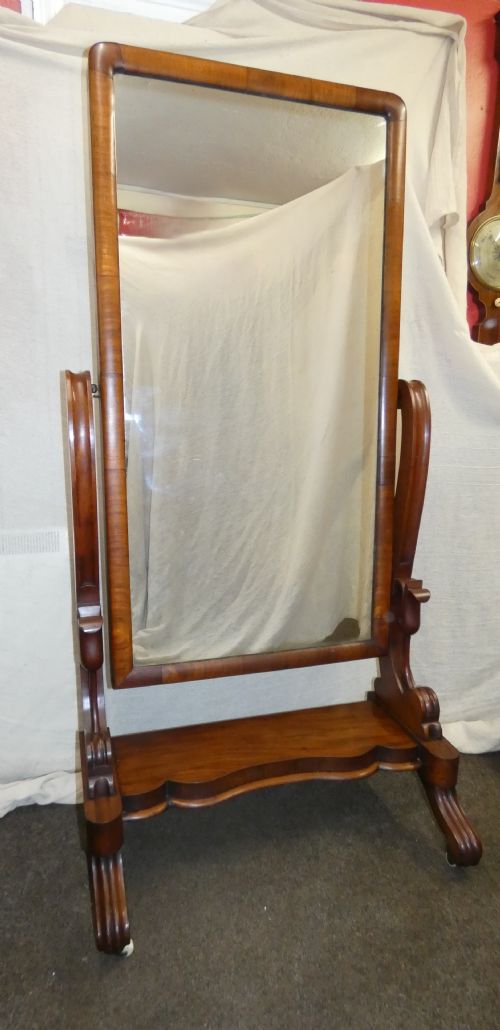
- A freestanding full-length mirror mounted on a vertical swivelling frame between two upright posts. This form allows the glass to tilt to various angles.
- Pier mirror
- A tall, narrow looking-glass traditionally designed to hang on the wall space between two windows. They often sat above matching console tables.
- Flame mahogany veneer
- A decorative wood slicing displaying a distinctive flame-like ripple pattern. Cabinet-makers applied this to prominent surfaces for strong visual impact.
- Overmantel mirror
- A wide looking-glass created specifically to hang on the wall directly above a fireplace mantelpiece. Their horizontal proportions complemented the hearth below.
- Swing mirror
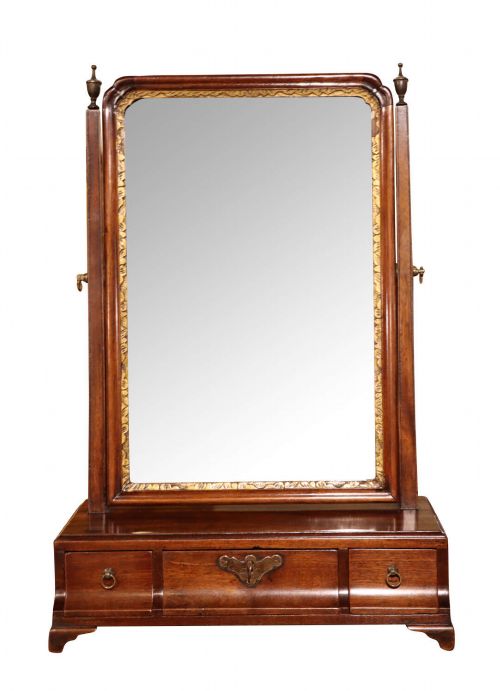
- A tabletop dressing glass suspended on pivots between two upright supports. The mechanism permits the glass plate to tilt forward or backward.
Nineteenth Century Mahogany Mirror: Frequently Asked Questions
Where should I place a cheval mirror?
A freestanding cheval mirror suits bedrooms, dressing rooms, or wide hallways where its pivoting full-length glass has adequate clearance to function practically.
Positioning the piece near a natural light source helps bounce illumination around the room while showcasing the timber frame.
How do I distinguish Regency from Victorian mirrors?
Regency mirrors typically exhibit neoclassical restraint, clean architectural lines, and occasional brass mounts or classical motifs influenced by the early nineteenth century.
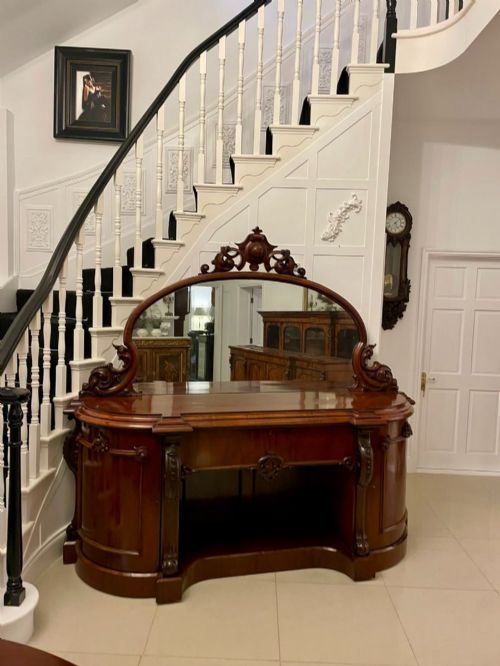
Victorian examples often display heavier carved ornamentation, serpentine fronts, or elaborate mirror-back sideboards reflecting later nineteenth-century tastes.
Are dressing table mirrors removable?
Most nineteenth-century dressing table mirrors are constructed as independent swing frames resting on small box bases fitted with drawers.
While they sit securely on top of the accompanying chest or table under their own weight, they can generally be lifted off for separate placement or moving.
How do I care for antique mahogany frames?
Maintain nineteenth-century mahogany frames by dusting gently with a soft, dry cloth and avoiding direct exposure to harsh sunlight or extreme temperature shifts.
Applying specialist wax polish occasionally helps nourish the timber grain without building up heavy residue on the polished surface.