




Nineteenth Century Horology
Nineteenth century horology comprises mechanical timepieces and scientific instruments crafted during a period of precision engineering and refined domestic design.
Nineteenth Century Horology
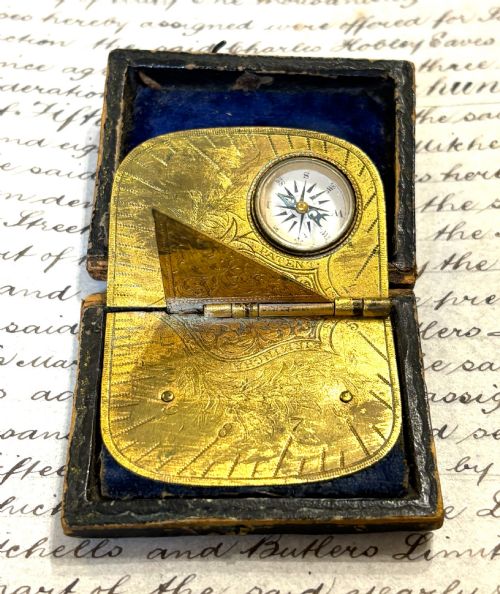
Nineteenth century horology encompasses a diverse array of timekeeping devices and scientific instruments, ranging from portable pocket watches to substantial longcase clocks. When exploring nineteenth century horology, buyers frequently encounter carriage clocks, mantel clocks, and wall clocks housed in timber and metal cases.
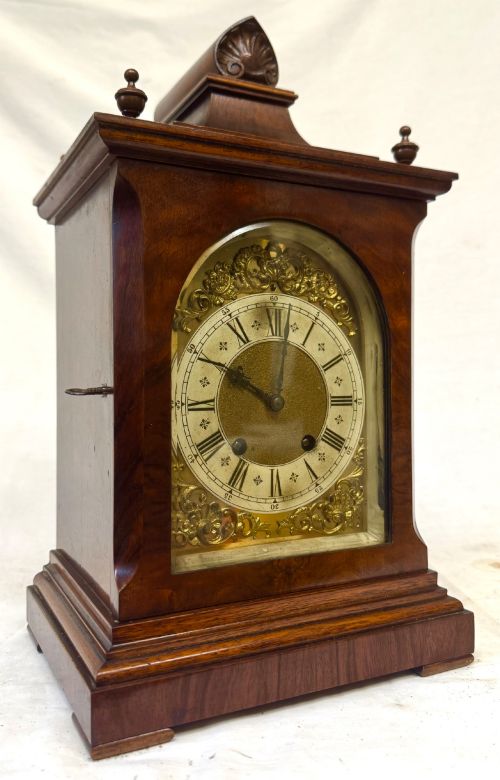
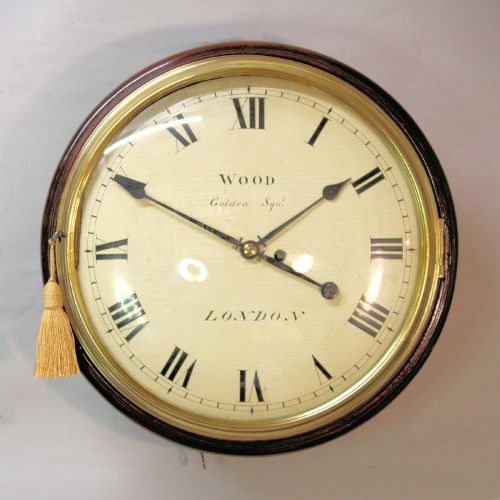
Domestic timepieces from this era served both practical scheduling functions and decorative roles within period interiors. Architectural mantel clocks and railway wall clocks illustrate the dual focus on utility and aesthetic refinement characteristic of the period.
Materials and Construction
Craftsmen utilised metals such as brass, gilt bronze, steel, and silver for movements, dials, and portable cases. Enamel was commonly applied to clock faces for legibility and smooth finish.
Timber selection played a major role in case construction, with mahogany, walnut, rosewood, and pollard oak frequently chosen for bracket clocks, wall clocks, and longcase clocks. Marquetry and patinated finishes added decorative depth to wooden surfaces.
Mechanical execution relied on intricate gear trains, escapements such as the platform escapement, and fusee movements designed to maintain even power delivery. Protective glass panels enclosed delicate dials and visible mechanisms in carriage and mantel clocks.
Nineteenth Century Horology Retail Price Guide 2026
Typical asking prices for nineteenth century horology among the pieces listed under this phrase on Sellingantiques today, from the lower quarter to the upper quarter. They describe what is for sale here now, not the wider market.
Object forms in nineteenth century horology include pocket watches, scientific instruments, longcase clocks, and wall-mounted school clocks.
Standards of Execution
Quality in nineteenth century horology is determined by the precision of the mechanical movement and the sophistication of complications such as strike, repeat, and alarm functions. Finer examples feature superior finishing on internal components and robust escapement design.
Case craftsmanship distinguishes standard production items from exceptional commissions, seen in the weight of cast brass corniche cases, the intricacy of timber veneers, and the clarity of painted or enamelled dials. Original components and matching serial numbers across movements and cases elevate a piece's integrity.
Lenzkirch·Antoine Redier·Arnold and Frodsham·Henry Marc·Drocourt·Henry Jacot·Payne and Co
The Nineteenth Century Horology Glossary
- Fusee
- A conical pulley used in mechanical clocks and watches to equalize the torque of the mainspring as it unwinds. This mechanism ensures consistent timekeeping accuracy throughout the power reserve.
- Carriage clock
- A small, portable spring-driven timepiece designed for travel during the nineteenth century. These clocks typically feature brass and glass cases with folding handles.
- Escapement
- The mechanism in a clock or watch that controls the rotation of the gear train by releasing the wheel at regular intervals. It gives the timepiece its characteristic ticking sound.
- Corniche case
- A distinct rectangular brass carriage clock case style featuring moulded top and bottom borders and rounded corners. It is characteristic of high-quality French travel clocks from the period.
- Platform escapement
- A self-contained balance wheel and escapement assembly mounted on a small platform inside carriage clocks. This innovation allowed portable clocks to maintain accuracy in various positions.
Nineteenth Century Horology: Frequently Asked Questions
How do fusee movements work?
A fusee movement uses a conical pulley connected to the mainspring via a fine chain or cord. As the spring unwinds and loses tension, the chain pulls on a wider section of the cone to maintain steady power to the escapement.
This clever mechanical arrangement ensures the clock maintains consistent accuracy as the power reserve diminishes over its running period.
Where were carriage clocks displayed?
Carriage clocks were originally built as portable timepieces for travellers, officers, and the wealthy on the move. They were housed in fitted leather travelling cases to protect the glass and brass during transit.
In domestic settings, owners placed them on mantelpieces, desks, or bedside tables where their striking and alarm functions proved useful.
How do I identify a French carriage clock?
French carriage clocks are typically housed in brass and glass rectangular frames with integrated carrying handles on top. Examination of the movement often reveals maker marks, serial numbers, and platform escapements visible through upper glass panels.
Regional differences distinguish them from British bracket clocks, which usually rely on wooden cases and fusee movements.