

Nineteenth Century Glass
Nineteenth century glass brings together table decanters, cut crystal goblets, and deca-lcomania lamps produced across the Georgian and Victorian eras.
Nineteenth Century Glass
When you search for nineteenth century glass, you encounter a broad assortment of functional and decorative items originating from English, Bohemian, and French workshops. The selection ranges from table decanters and wine glasses to large display vessels, oil lamps, and specialised optical lenses.
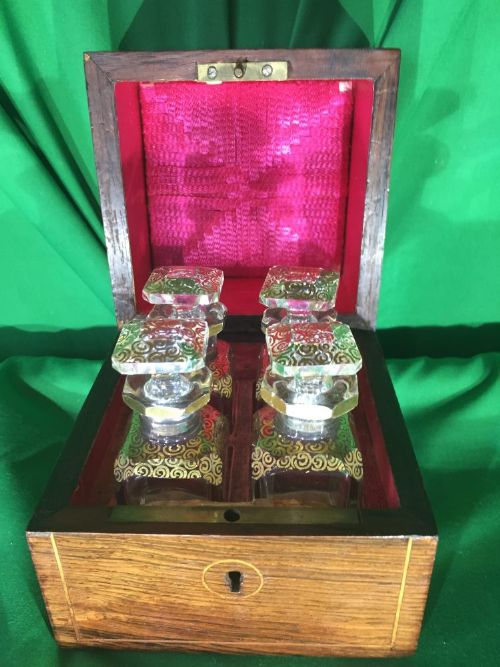
You are most likely to meet cut crystal goblets, scent bottles, and hand-blown decanters alongside coloured glass jugs and Victorian table lamps. Pieces span various decades of the 1800s, reflecting changing tastes from Regency refinement to exuberant Victorian ornamentation.
The objects serve as tangible records of historical manufacturing methods, combining utility with distinct aesthetic choices. Whether clear cut crystal or rich cranberry glass, each item demonstrates the period's mastery over material.
Materials and Techniques
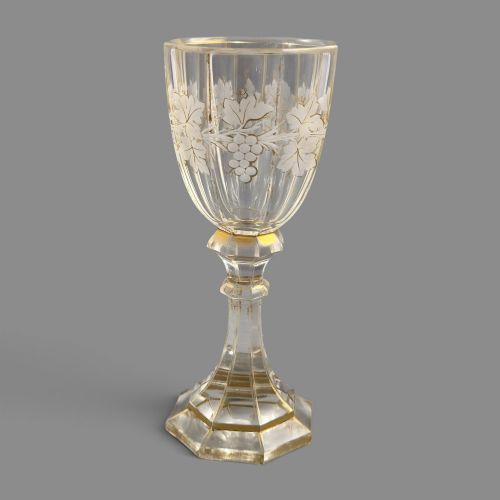
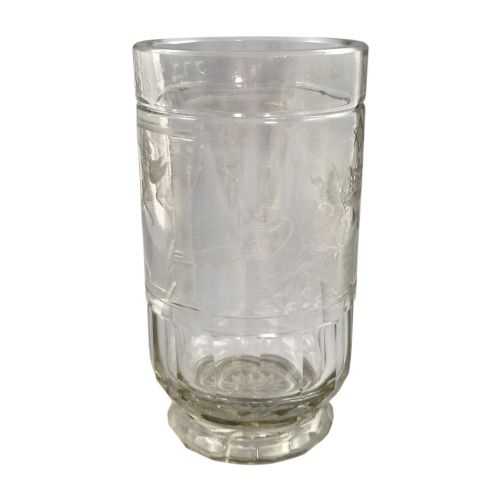
Makers relied primarily on lead crystal and soda-lime glass, shaped through free-blowing, mould-blowing, and intricate cutting techniques. Engraving and gilding were frequently applied to luxury pieces like Bohemian goblets and ceremonial beakers.
Decoration often involved applied trails, folded feet, or internal treatments such as decalcomania. Metal mounts in brass, ormolu, and silver plating frequently complemented the glass elements in lamps, decanter stands, and pedestal bowls.
Some Victorian households spent rainy afternoons pasting tiny pictures inside glass vases, creating whimsical decalcomania lamps.
Judging Quality
Quality rests upon the clarity of the metal, the precision of the facet cutting, and the crispness of any engraved or gilded detailing. Superior vessels exhibit balanced proportions, minimal internal impurities, and smooth pontil marks where applicable.
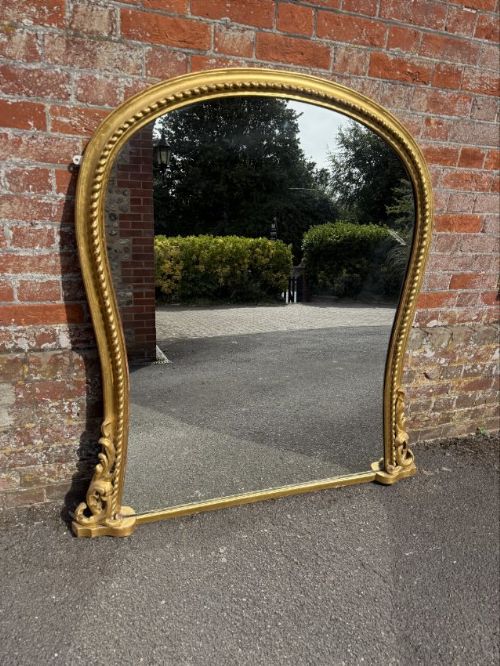
The finesse of secondary mounts, such as bronze or brass frames on lamps and scent bottle cases, elevates the status of an object. Original components, including stoppers, liners, and bevelled mirror plates, distinguish finer examples from altered ones.
Moser·Samuel Marti·Jas Shoolbred
The Nineteenth Century Glass Glossary
- Pontil mark
- The rough scar left on the bottom of a blown glass vessel where the pontil rod was snapped off. Its presence confirms traditional hand-blowing techniques.
- Cut crystal
- Glass that has been deeply faceted on a wheel to refract light. This process enhances the brilliance and weight of the material.
- Decalcomania
- A decorative technique popular in the Victorian era involving printed paper transfers applied to the inside of glass lamp bases and vases before sealing.
- Claude glass
- A small, slightly convex, dark-tinted mirror used by artists in the early nineteenth century to frame and tone down landscape views.
- Römer
- A traditional large drinking goblet featuring a wide bowl atop a ribbed or studded stem, commonly produced in Germany and Bohemia.
Nineteenth Century Glass: Frequently Asked Questions
What is nineteenth century glass?
Nineteenth century glass encompasses tableware, lighting, decorative vessels, and optical items produced between eighteen hundred and nineteen hundred. It includes hand-blown, moulded, and deeply cut pieces from English, French, and Bohemian makers.
These items reflect the shifting industrial and artistic developments of the Georgian and Victorian periods, ranging from utilitarian decanters to ornate display objects.
How were glass lamps used?
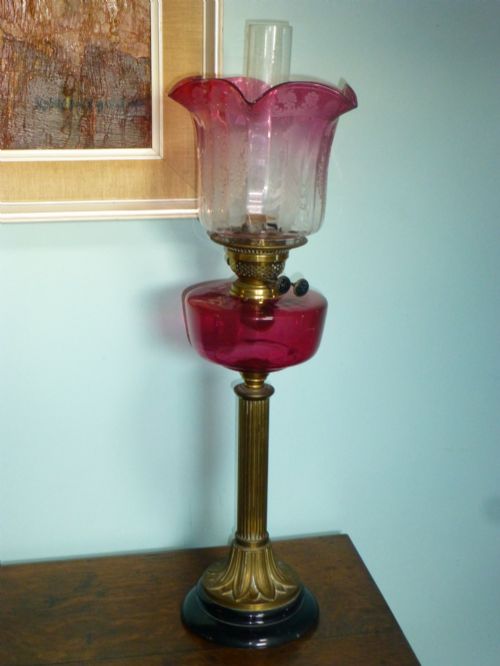
Glass lamps provided essential interior illumination before widespread electric lighting, utilising burning oils or paraffin within decorative vessels. Many featured double burners and glass chimneys to maximise light output.
Over time, these functional objects transitioned into decorative interior accents, valued for their coloured fonts and metal mounts.
How do I clean antique glass?
Cleaning requires warm water and mild soap, avoiding harsh scrubbing that can damage delicate gilding or historic surfaces. Soft cloths prevent scratching during the drying process.
Submerging antique glass with metal mounts or applied elements should be avoided to protect adhesives and secondary materials from moisture damage.
Can I use antique decanters daily?
Historic decanters can hold wine or spirits, provided they are inspected for internal residue and washed carefully by hand. Lead crystal vessels should not store liquids for extended periods.
Many collectors prefer to display them rather than subject fragile handles, stoppers, and thin bases to regular handling.