






Nineteenth Century Gesso Mirror
A nineteenth century gesso mirror brings immediate weight and golden warmth to a room, catching the light in a way modern glass simply cannot match.
Nineteenth Century Gesso Mirror
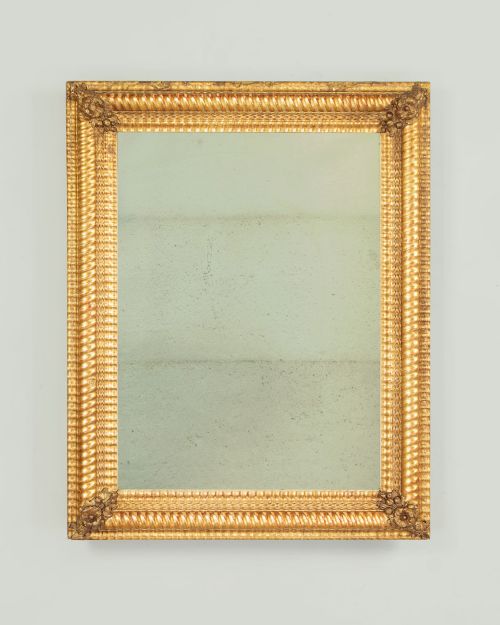
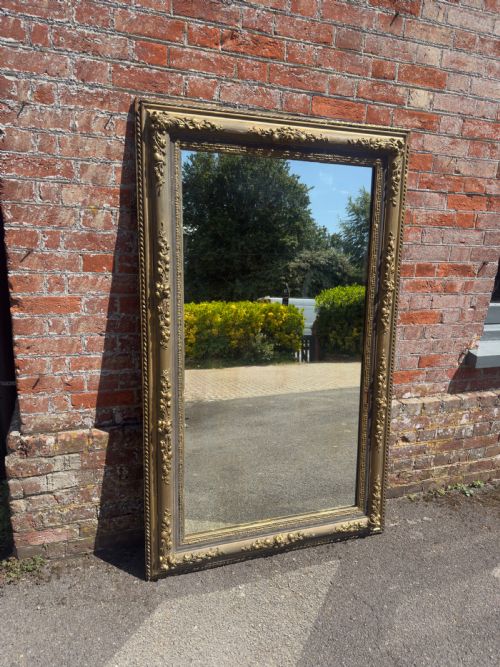
When you search for a nineteenth century gesso mirror, you find substantial wall hangings and overmantels designed to anchor a room. The pieces recorded here span from the 1850s through the 1880s, encompassing English, French, and Continental workshops. You will most frequently encounter grand overmantel mirrors with arched or shaped tops, built to sit above a fireplace and reflect the room.
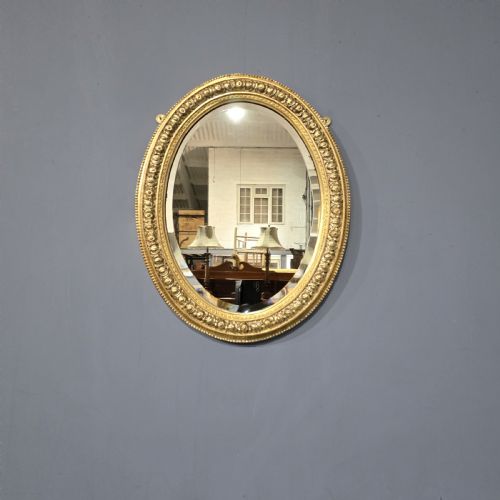
The styles range from restrained Victorian neoclassical designs to ornate Rococo Revival and French chateau aesthetics. Alongside large overmantels, the selection includes oval wall mirrors, bistro mirrors, and girandoles. Many of these frames combine painted surfaces with gilt, black accents, or original silver and gold leaf.
These items served both a practical purpose and a decorative function in nineteenth-century interiors, designed to amplify light in deep reception rooms. Their scale is typically large, commanding attention through imposing proportions and decorative crestings. The materials reflect the robust construction methods of the period, relying on sturdy timber foundations.
How they were made
Makers built the core structure of each nineteenth century gesso mirror using pine or other solid woods, carved to shape before applying the ornament. Over this wooden foundation, artisans laid down gesso, a dense mixture of chalk and binder, which could be moulded deeply into intricate scrollwork, floral motifs, and architectural mouldings. This layered preparation created a smooth, receptive surface for subsequent gilding or paint.
Once the gesso ornament hardened, craftsmen applied gold leaf, silver, or metallic paints directly onto the relief work, often burnishing the highlights to a brilliant shine. In many examples, contrasting black details or painted finishes were added to accentuate the carved depth. The heavy mirror glass was then fitted safely into the rebate behind the decorated frame.
The selection includes pieces spanning from the 1850s to the 1880s, utilising gesso, glass, wood, gold leaf, and pine.
What varies in quality
The crispness and depth of the carved wood and gesso ornamentation dictate the visual strength of the piece. Superior examples display sharply defined relief work where the mouldings remain deep and unsoftened by excessive past repairs or heavy overpainting. The subtlety of the gilding and the preservation of the original surface finish also separate standard utility mirrors from exceptional high-status commissions.
Proportion and scale play a crucial role in the overall impact of an overmantel or wall glass. Better-balanced frames feature harmonious curves and well-integrated arched or shaped tops that retain their original mirror plates. The integrity of the underlying pine structure ensures that the heavy frame hangs true without sagging.
The Nineteenth Century Gesso Mirror Glossary
- Gesso
- A dense plaster mixture applied over wood to form a smooth base for carving or gilding. Artisans built up layers of this material to create high-relief ornamentation.
- Giltwood
- Wood that has been thinly coated with gold leaf or gold paint. It provides a reflective, warm metallic finish across the carved surface.
- Overmantel mirror
- A large wall mirror specifically proportioned to hang directly above a fireplace mantelpiece. These pieces often feature arched tops to follow architectural lines.
- Girandole
- A decorative wall mirror fitted with attached candle sconces. The candleholders reflected additional light into the dark Victorian interior.
Nineteenth Century Gesso Mirror: Frequently Asked Questions
Where should I hang an overmantel mirror?
These large mirrors are traditionally placed directly above a fireplace mantelpiece to reflect light and anchor the room's main focal point.
Because of their substantial weight, they must be secured directly into solid wall studs or masonry rather than hung from standard drywall hooks.
What is the difference between giltwood and painted frames?
Giltwood frames have been covered in thin sheets of gold or silver leaf, producing a bright and reflective metallic sheen that catches the room's light.
Painted frames utilise pigmented finishes, sometimes combined with black accents, to offer a more subdued or rustic aesthetic suited to bistro or provincial interiors.
How can I tell a Victorian mirror from a French one?
Victorian pieces often lean towards heavy neoclassical symmetry or high-relief architectural forms designed for formal English reception rooms.
French pieces, including bistro and chateau styles, frequently display more exuberant Rococo curves, painted highlights, or lighter provincial proportions.