


Nineteenth Century French Armchair
A nineteenth century french armchair brings architectural line and carved presence to a room, drawing the eye instantly.
Nineteenth Century French Armchair
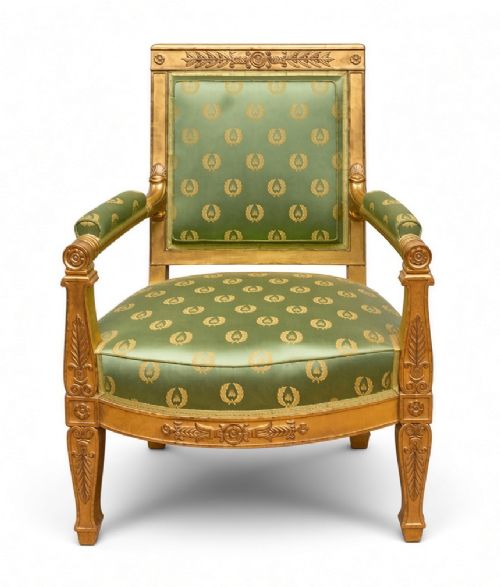
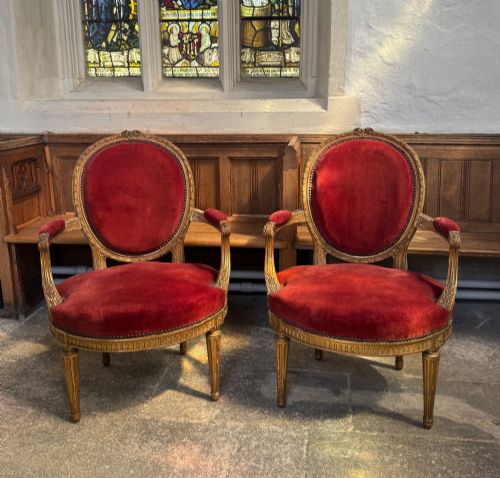
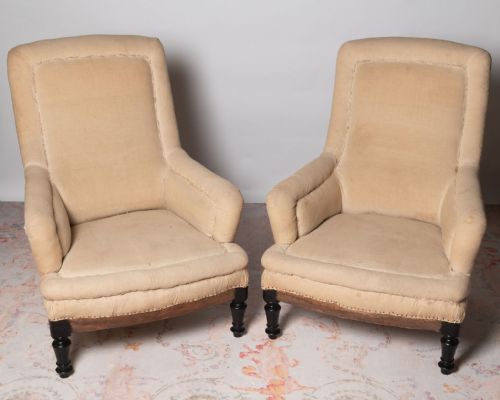
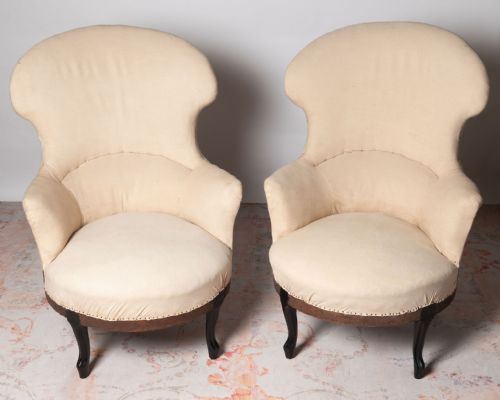
When you search for a nineteenth century french armchair, you encounter seating defined by historical revival styles and sturdy timber frames. The examples seen on this page span the 19th Century, Victorian, and Edwardian periods, reflecting the enduring appeal of continental design.
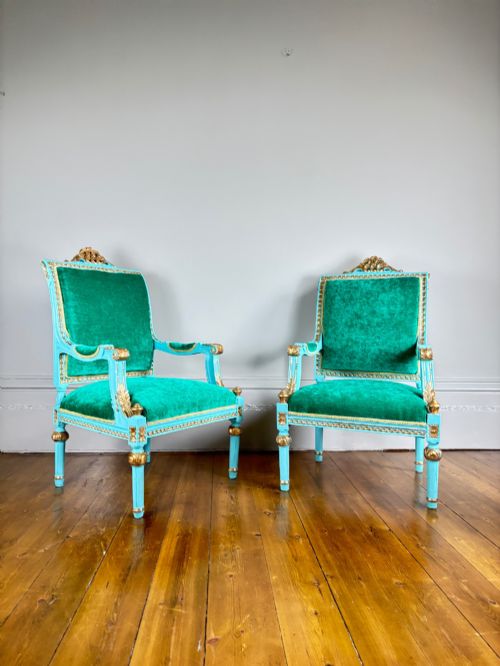
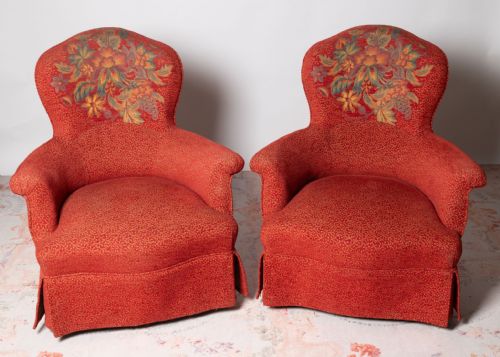
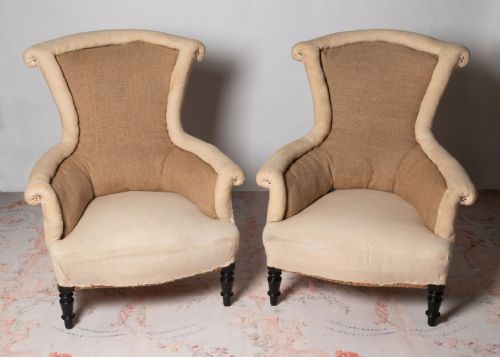
You meet pieces fashioned in distinct forms, from giltwood fauteuils and Louis XV style bergeres to Napoleon III buttoned back open armchairs and complete salon suites. These seating options range from paired salon chairs ready for placement to frames awaiting new upholstery.
The origin of these pieces traces across French Chateau, French Empire, Louis XVI Style, and French Restauration traditions. Walnut, mahogany, and giltwood form the structural backbone of these diverse decorative layouts.
How they were made
Cabinet makers constructed these frames predominantly from solid timber such as walnut and mahogany, alongside carved wood finished with gilt. Brass hardware and marquetry inlay added decorative detail to Empire and later Victorian suites.
Upholstery methods utilised traditional techniques, covering frames in velvet, fabric, calico, and buttoned textiles. Many pieces survive today requiring new fabric or specifically intended for reupholstery.
Several armchairs come straight from official residence storerooms, carrying centuries of diplomatic seating history in their carved gilt arms.
What varies in quality
The sophistication of the wood carving and the crispness of the giltwood finish separate standard frames from exceptional ones. Master workshops invested significant time in hand-carving intricate foliage and scrolling motifs into walnut and mahogany.
Structural integrity and the survival of original decorative elements dictate the distinction between pieces. Complete salon suites and matched pairs demonstrate higher coherence of design than isolated frames modified over time.
Jacob-Desmalter
The Nineteenth Century French Armchair Glossary
- Bergere
- An enclosed upholstered armchair with solid upholstered sides and a loose seat cushion. It offers a deeper and more enclosed sit than an open armchair.
- Giltwood
- Wood coated with a thin layer of gold leaf or gold paint for decorative effect. This finish appears frequently on formal salon seating.
- Salon suite
- A matched set of seating furniture designed for a formal reception room. These suites usually comprise armchairs, side chairs, and occasionally a settee or canape.
- Marquetry
- Decorative inlay patterns formed by fitting small pieces of veneer into a wooden background. This technique decorates the wooden surfaces of Empire period frames.
Nineteenth Century French Armchair: Frequently Asked Questions
How do I identify a Louis XV style armchair?
Look for characteristic cabriole legs, asymmetrical floral carvings, and curving lines throughout the wooden frame. These elements define the revival aesthetic seen in later 19th-century interpretations.
Check the joinery and timber quality beneath the upholstery webbing to confirm the period of manufacture.
Can I use these armchairs in modern rooms?
Their sculptural timber frames and historical silhouettes contrast effectively with contemporary interior design schemes. Pairing a giltwood or walnut frame with simple upholstery bridges historical and modern aesthetics.
Ensure the seat height and depth suit your intended seating arrangement before placement.
What does upholstery for re-covering involve?
Frames listed for upholstery require new internal webbing, padding, and top fabric applied by a professional upholsterer. This process allows you to select textiles that match your specific interior palette.
Inspect the exposed wooden frame for structural stability before commissioning new textile work.
How do I distinguish Empire style from Restauration pieces?
Empire pieces typically display heavier classical motifs, dark mahogany timbers, and occasional brass mounts reflecting Napoleonic grandeur. Restauration frames often exhibit lighter proportions and simpler architectural lines.
Compare the carving depth and wood grain across the arms and legs to determine the stylistic sub-period.