


Olive Green Accent Chair
An olive green accent chair brings rich colour and tactile depth to a room, offering a distinct seating choice rooted in historical forms.
Olive Green Accent Chair
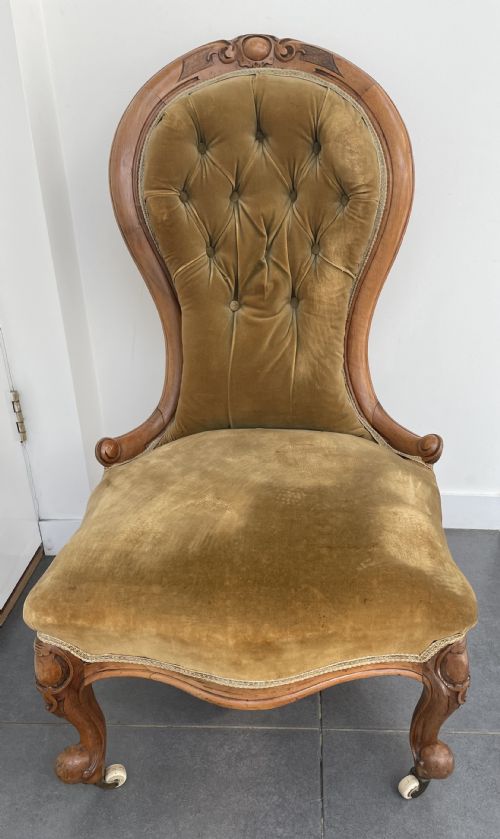
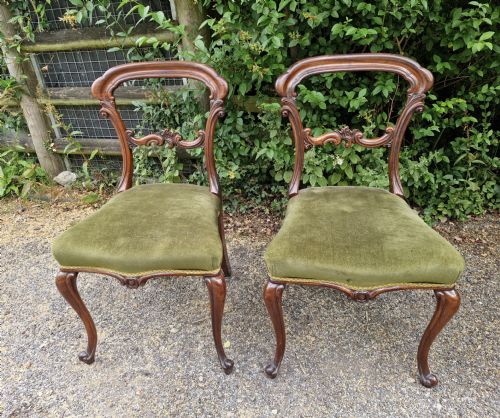
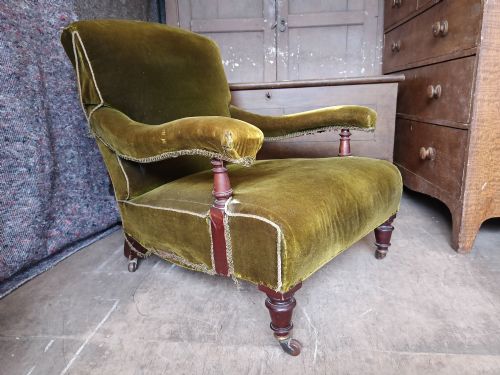
An olive green accent chair encompasses various seating forms from the eighteenth century to the late Victorian period, finished in velvet or destined for upholstery. Buyers searching for an olive green accent chair will encounter an array of occasional chairs, slipper chairs, and nursing chairs alongside robust armchairs.
The selections on this page span several distinct stylistic traditions, including Regency, William IV, Napoleon III, and English Country House aesthetics. Walnut, rosewood, and mahogany frame these diverse forms, while brass details occasionally appear.
Victorian examples dominate the listings, frequently utilising walnut or rosewood frames paired with plush velvet textiles. These pieces function as striking focal points in contemporary interiors while retaining their antique integrity.
How they were made
Cabinetmakers utilised dense timbers such as mahogany, walnut, and rosewood to construct the structural frames of these armchairs and occasional seats. Ebonised wood and giltwood also feature among the heavier structural materials recorded in the evidence.
Upholstery relies heavily on velvet fabrics secured to frames dating from the Georgian era through to the late nineteenth century. Traditional joinery methods and hand-carving define the construction of the wooden components, complemented by brass elements where appropriate.
What varies in quality
The refinement of the timber carving and the architectural balance of the frame distinguish superior examples from standard production. Rosewood and walnut frames with intricate detailing command greater attention than simpler timber structures.
The integrity of the underlying woodwork and the historical accuracy of the upholstery materials determine the lasting value of each chair. Pieces retaining their original timber patination and structured framing represent the upper tier of available items.
Hampton and Sons
The Olive Green Accent Chair Glossary
- Occasional chair
- A movable seat designed for specific activities or to supplement primary seating arrangements in a room. These lighter chairs often feature decorative woodwork.
- Slipper chair
- A low-seated upholstered chair originally designed for bedrooms to assist with dressing. Their low profile gives them a distinct silhouette among antique seating.
- Nursing chair
- A low armchair designed for comfort during nursing infants, typically featuring a padded seat and back. Victorian examples often utilise rosewood or walnut frames.
- Ebonised wood
- Timber treated with a finish to imitate expensive ebony wood. This dark surface treatment appears frequently on nineteenth-century frames.
- Giltwood
- Timber coated with a thin layer of gold leaf or gilt powder. This decorative finish highlights carved details on formal nineteenth-century seating.
Olive Green Accent Chair: Frequently Asked Questions
What periods do these chairs represent?
The available selection spans from the eighteenth century through the Regency and Victorian eras up to nineteen hundred. Styles range from early Georgian proportions to ornate French Rococo and Swedish Neo-Classical designs.
Victorian pieces form the largest group, accompanied by William IV and Napoleon III examples that showcase distinct nineteenth-century cabinetmaking traditions.
How do I identify a nursing chair?
Nursing chairs are characterised by their notably low seats and upholstered frames designed for domestic comfort in bedrooms. They typically date from the Victorian period and often feature walnut or rosewood construction.
These compact seats differ from standard armchairs by offering an accessible height and supportive padded backrests tailored for private chambers.
What woods were used in these frames?
Cabinetmakers utilised hardwoods such as mahogany, walnut, and rosewood for their durability and attractive grain patterns. Ebonised wood and giltwood also appear on specific formal pieces from the nineteenth century.
Timber choice often reflects the period and stylistic influence of the chair, with rosewood and walnut prevailing across Victorian designs.
How can I integrate an antique chair into a modern room?
An antique armchair or occasional chair serves as a vibrant focal point when paired with contemporary furnishings. The deep tone of olive green velvet bridges historical craftsmanship with modern interior colour palettes.
Placing a slipper chair or open armchair in a study or living area introduces texture and traditional form without overwhelming the space.