


Upholstered Bedroom Seating
Upholstered bedroom seating brings practical comfort and period charm to a private room, drawing on centuries of skilled cabinet making and textile work.
Upholstered Bedroom Seating
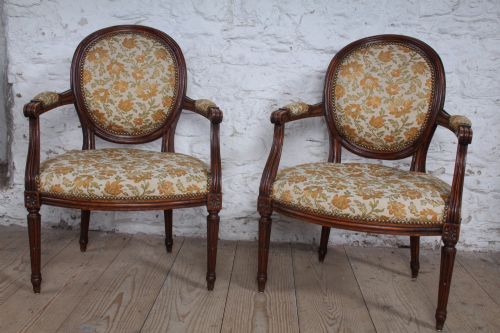
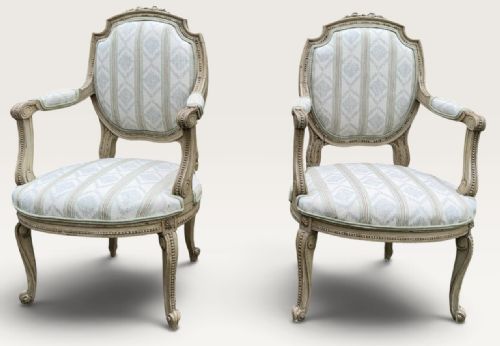
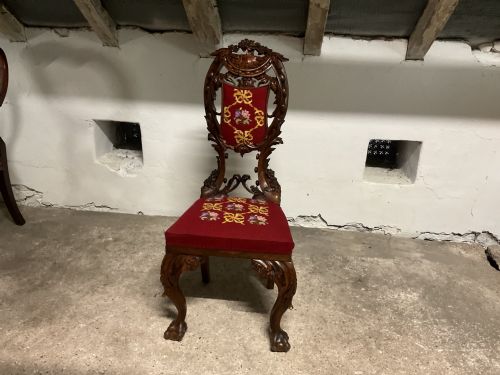
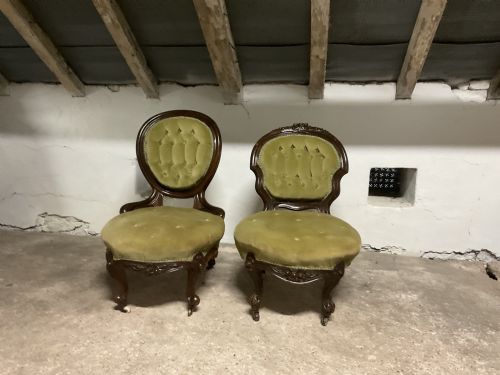
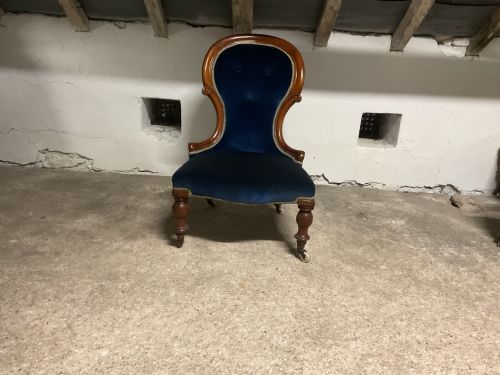
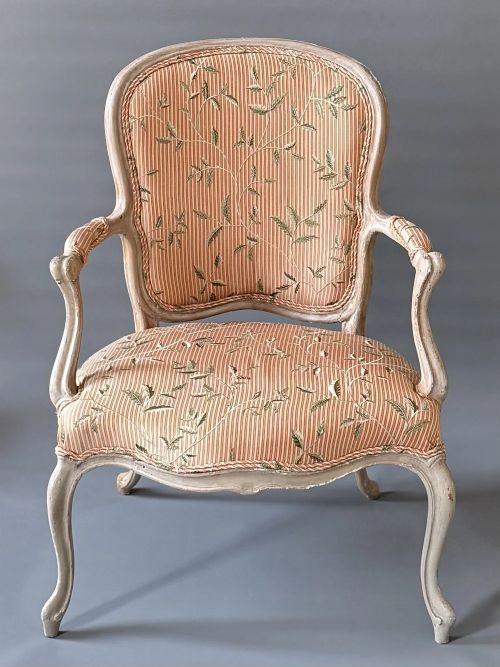
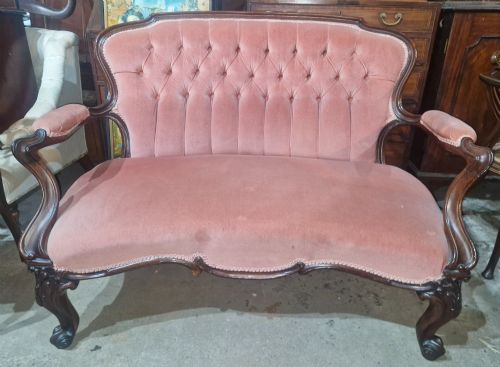
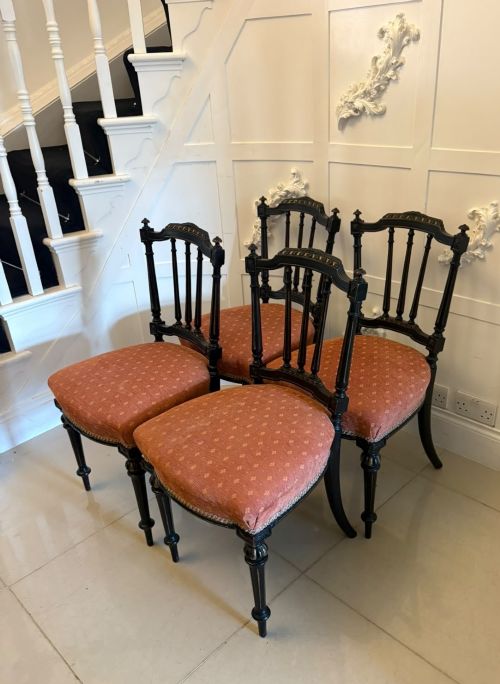
Upholstered bedroom seating covers a diverse group of domestic furnishings designed for private chambers, spanning the eighteenth, nineteenth, and early twentieth centuries. The selection here leans heavily towards Victorian and Edwardian examples, alongside French provincial and Napoleon III pieces.
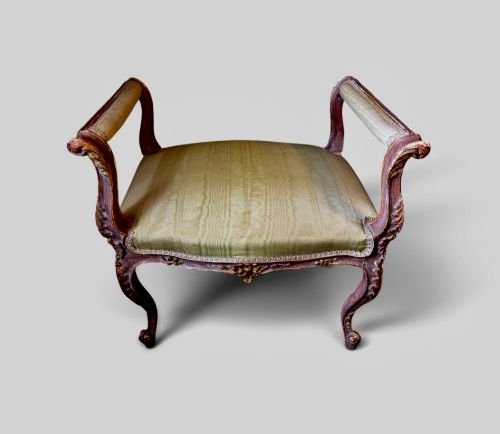
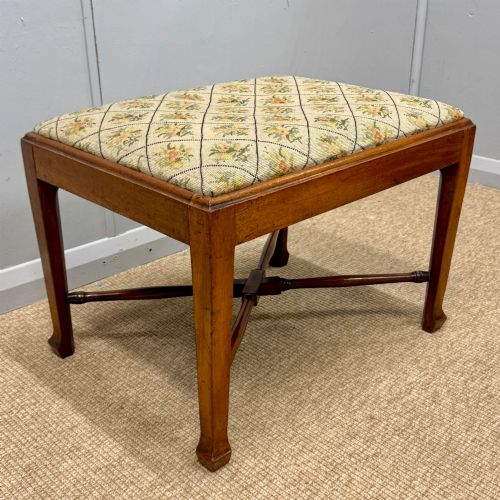
Forms range from low nursing chairs and slipper chairs designed for the hearth to window seats, dressing table stools, and small bedroom armchairs. These items served intimate daily routines, offering comfortable support for dressing or quiet reading in private spaces.
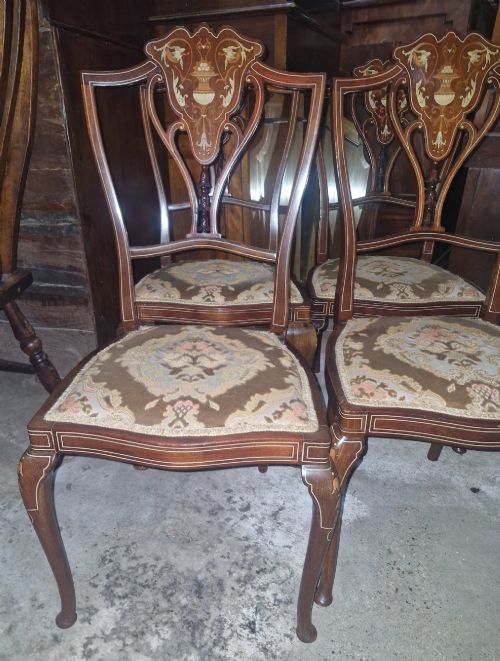
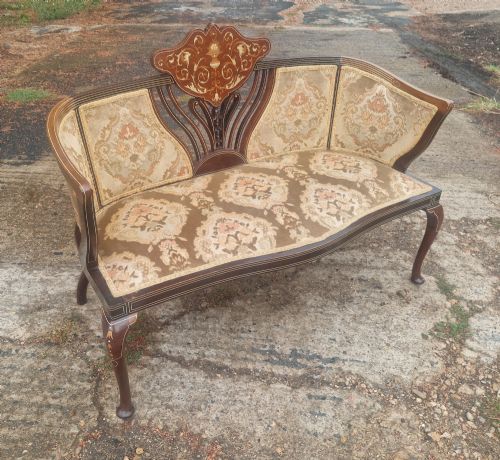
The materials and frames reflect the prevailing tastes of their respective eras, utilising native and imported timbers shaped into styles from Rococo Revival to Sheraton Revival. Buyers encounter everything from simple mahogany stools to elaborately carved walnut and giltwood frames.
Materials and construction
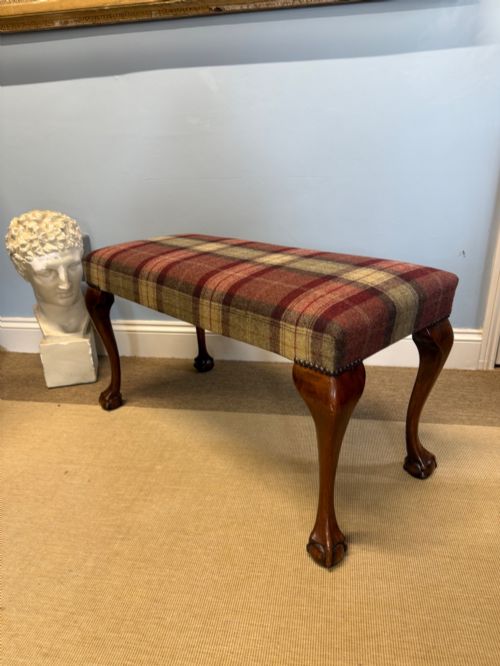
Makers relied on durable hardwoods such as mahogany, walnut, oak, beech, and rosewood for the structural frames, often employing intricate carving, inlay, or gilding to finish the exposed woodwork. Cabriole legs, scroll-carved backs, and cross stretchers demonstrate the joinery techniques standard to each period.
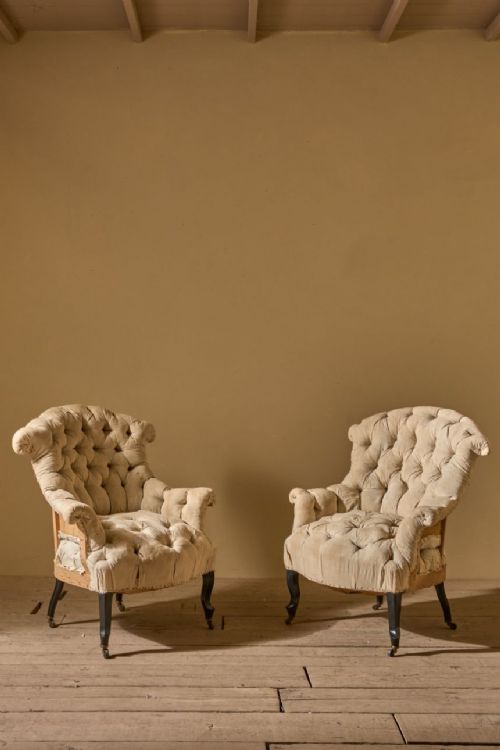
Textiles played an essential role, with original and later coverings utilising velvet, fabric, and traditional stuffing materials to build comfortable seats. Button-backed upholstery and webbed foundations provided the resilience required for daily domestic use.
Object types range from nursing chairs and slipper chairs to dressing table stools and window seats.
Assessing quality
Quality rests primarily in the rigidity of the hardwood frame, the depth and crispness of any hand-carving or inlay, and the integrity of the underlying construction. Superior examples retain their original structural timber without excessive wear or poorly executed repairs.
The standard of upholstery work and the choice of textile also separate ordinary pieces from exceptional ones. Refined proportions, balanced design, and materials that complement the specific period of the frame elevate a piece above standard utility items.
Howard and Sons
The Upholstered Bedroom Seating Glossary
- Nursing chair
- A low-seated armchair designed in the nineteenth century, originally intended for nursing infants near a bedroom fire. These chairs typically feature a low centre of gravity and supportive upholstered backs.
- Slipper chair
- An armless chair with a low seat, traditionally used in a bedroom or dressing room for putting on shoes. They offer compact comfort without taking up excessive floor space.
- Window seat
- A long, bench-like seat designed to fit beneath a window recess, often featuring upholstered ends and decorative wooden frames. They provide dual functionality as seating and a surface for textiles.
- Cross stretcher
- An intersecting wooden brace between the legs of a chair or stool that adds structural stability. This feature appears frequently on nineteenth-century seating.
- Cabriole leg
- A furniture leg that curves outward and then tapers inward, inspired by the shape of an animal's leg. This form is common in revival styles and eighteenth-century designs.
Upholstered Bedroom Seating: Frequently Asked Questions
What is a nursing chair used for?
Nursing chairs were originally built with low seats to allow women to nurse infants comfortably by the bedroom fire.
Today, their compact proportions make them ideal as low accent chairs in bedrooms or small living spaces.
How do I date a Victorian bedroom chair?
Dating relies on identifying stylistic markers such as the transition from heavy rosewood and walnut carving in mid-Victorian pieces to lighter ebonised finishes later in the era.
Examining the underlying frame construction and upholstery techniques also helps narrow down the decade of manufacture.
Where should I place a window seat?
Window seats fit naturally beneath bedroom windows or at the foot of a bed to create a dedicated spot for resting.
They also work well in narrow hallways or dressing rooms where a full-sized sofa would be too bulky.
Are these chairs comfortable for daily use?
Many period pieces offer surprisingly supportive seating, especially designs featuring sprung foundations and padded upholstered backs.
Comfort often depends on whether the internal webbing and stuffing have been properly maintained or restored over time.