



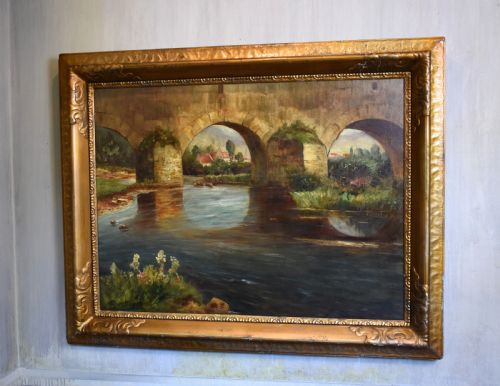


Nineteenth Century Framed Prints
Nineteenth century framed prints bring historical detail and varied artistic styles into a room through surviving paper works housed in period surrounds.
Nineteenth Century Framed Prints
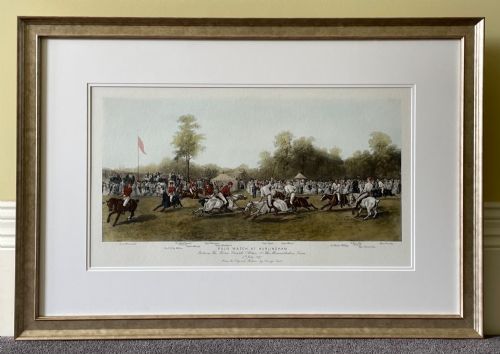
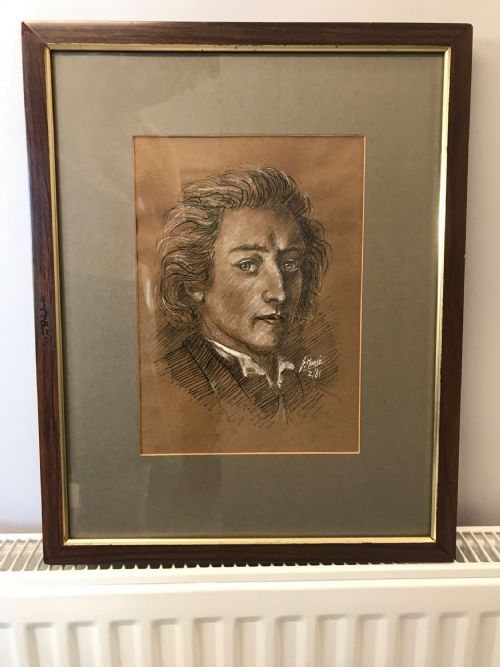
Nineteenth century framed prints encompass a diverse selection of wall art, including lithographs, engravings, chromolithographs, and woodblock prints created across the Victorian and Regency eras. Buyers searching for nineteenth century framed prints encounter works depicting sporting scenes, portraiture, domestic subjects, and topographical maps.
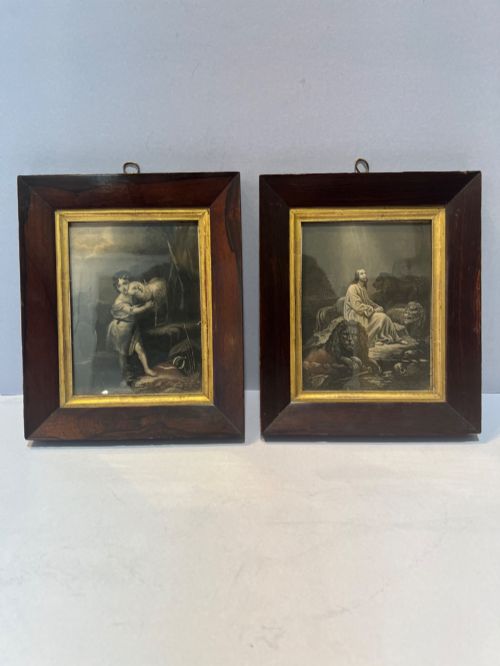
The objects frequently appear in sets, such as groupings of four bird engravings or Japanese woodblock prints, alongside pairs of classical or domestic subjects. Alongside printed paper, the selection incorporates reverse glass prints and chrystoleums preserved within period enclosures.
Origin points span English, European, and Japanese traditions, reflecting both Western academic tastes and Edo period aesthetics. The physical formats range from single wall art pieces to divided frames incorporating secondary decorative elements.
Materials and Techniques
Works rely on paper supports carrying ink, hand-coloured pigments, or woodblock impressions, while Japanese examples utilise traditional block printing methods. Certain plates receive additional detailing through hand-colouring or metal embellishments applied to clothing within the composition.
The surrounding enclosures use wood, maple frames, and gesso, finished with gold leaf or giltwood. Protective glazing covers the surface, occasionally accompanied by reverse glass techniques where the image transfers directly to the glass panel.
Some prints feature unusual metal embellishments stitched directly onto the clothing of depicted children.
Judging Quality and Execution
Quality rests upon the crispness of the original impression and the preservation of the paper or ink against fading and discolouration. Skilled hand-colouring and detailed plate execution elevate the visual impact of engravings and lithographs.
The enclosure contributes significantly to the overall integrity, with period giltwood, gesso, and maple frames providing appropriate housing that complements the aesthetic of the enclosed artwork.
Horatio Henry Couldrey·Kitagawa Utamaro·Kunisada·Sir Thomas Lawrence·William Powell Frith·William Swainson·Carlo Ferranti·Otto Pilny·J F Herring·George Lance·Eugene Hindle
The Nineteenth Century Framed Prints Glossary
- Lithograph
- A planographic printing process using a stone or metal plate on which the image area attracts ink and the non-image area repels it. This technique allows for fluid lines and subtle tonal gradations.
- Chromolithograph
- A colour lithographic process employing multiple stones or plates, one for each colour used. The resulting prints display rich polychrome palettes.
- Engraving
- A printmaking method where an artist cuts lines directly into a metal plate with a burin. The sunken lines hold the ink that transfers under pressure to paper.
- Chrystoleum
- A photograph or print rendered translucent with oil and hand-coloured from the rear before mounting under convex glass. This process creates a luminous, three-dimensional depth.
- Ukiyo-e
- A genre of Japanese woodblock prints and paintings depicting scenes of everyday life, landscapes, and actors. These works were popular during the Edo period.
Nineteenth Century Framed Prints: Frequently Asked Questions
How do I care for nineteenth century framed prints?
Keep the pieces away from direct sunlight to prevent the ink and paper from fading over time. Maintain stable indoor humidity levels to protect both the paper support and the wooden frame.
Avoid hanging them in damp spaces such as kitchens or unheated rooms. Dust the frame gently with a dry cloth and leave the sealed glazing intact.
Were these prints originally framed this way?
Many retain their period giltwood, gesso, or maple frames, which reflect the framing styles popular during the nineteenth century. Matching the frame style to the period of the print helps confirm historical context.
Frames sometimes underwent replacement later in their lifespan to suit changing domestic interiors. Inspecting the joinery and backing materials clarifies whether the housing is original to the artwork.
How can I tell engravings and lithographs apart?
Engravings display a distinct plate mark indented into the paper where the metal plate pressed down during printing. The lines appear sharp and slightly raised under close inspection.
Lithographs lack a plate mark and show a smoother transition of tones without carved lines in the paper. Magnification reveals the fine grain or dot pattern characteristic of stone or plate lithography.
What subjects are most common?
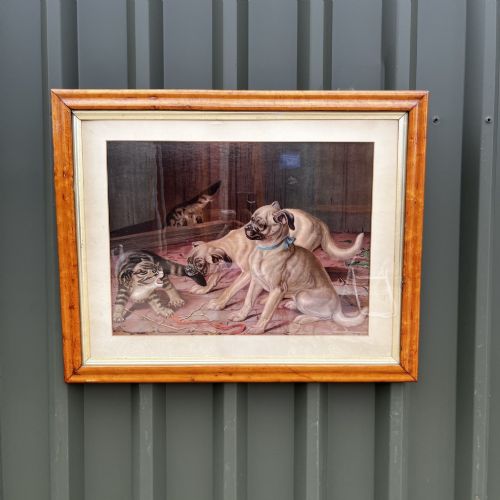
Sporting art, portraits, botanical studies, and topographical maps dominate the output of this period. Domestic scenes involving children or animals also appear frequently across various print mediums.
Japanese woodblock prints introduce theatrical and landscape subjects from the Edo period. Classical themes and European landscapes reflect the taste for the Grand Tour during the nineteenth century.