




Nineteenth Century Desk Accessories
Nineteenth century desk accessories are functional workspace items like inkstands and paperweights that bring period craftsmanship to a modern writing table.
Nineteenth Century Desk Accessories
Nineteenth century desk accessories comprise a varied group of utilitarian objects designed to organise the writing table. The selection spans utilitarian necessities and decorative items made for Victorian and Regency interiors.
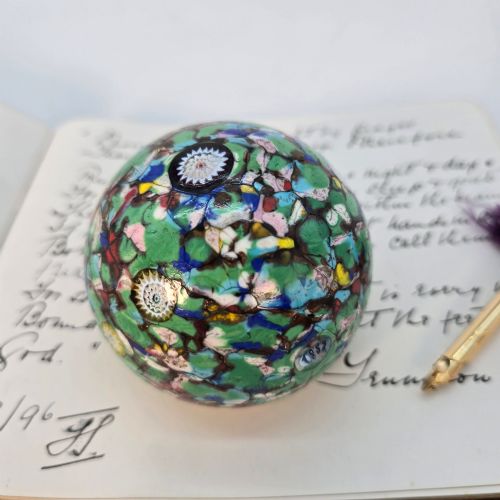
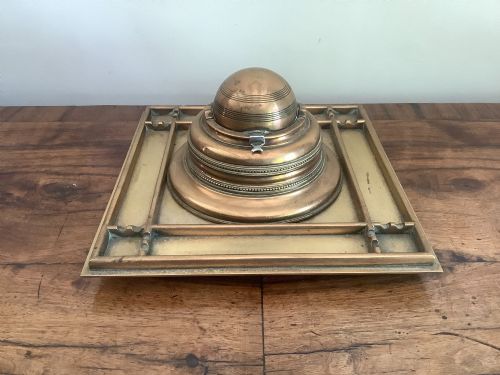
Inkstands, inkwells, paperweights and match holders form the core of the available forms. Buyers frequently encounter pieces shaped as animals or birds, alongside fitted boxes in coromandel and walnut.
The objects originate from English, Scottish and French workshops spanning the Victorian era through to earlier Regency periods. Each piece reflects the industrious writing habits of the period.
Materials and construction methods
Makers utilised cast brass, gilt bronze and ormolu alongside timbers such as coromandel, walnut and oak. These robust materials formed the structural bases for inkstands, book slides and heavy paperweights.
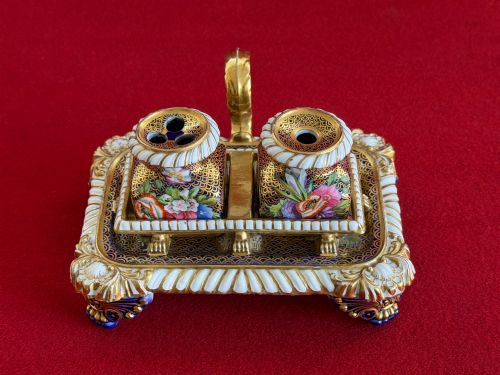
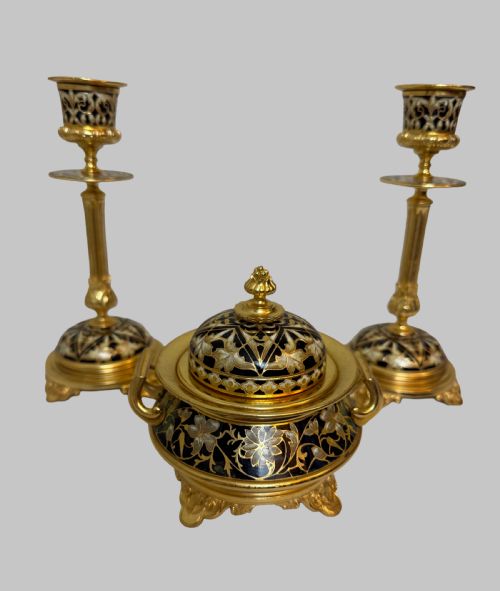
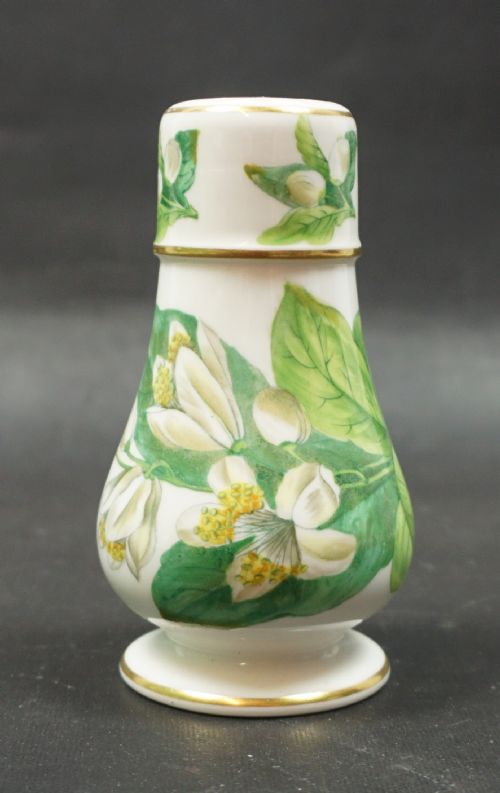
Surface ornamentation involved intricate champleve enamel, inlaid Tunbridge ware mosaics and delicate hand-painted porcelain panels. Glass and agate inserts provided functional inkwell containers and decorative cabochons.
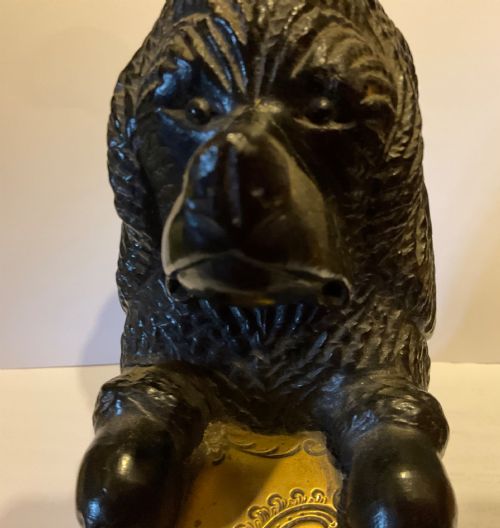
Carving and casting techniques allowed artisans to shape metal and wood into figurative novelties including dogs, owls and horses. These methods combined structural utility with detailed sculptural ornamentation.
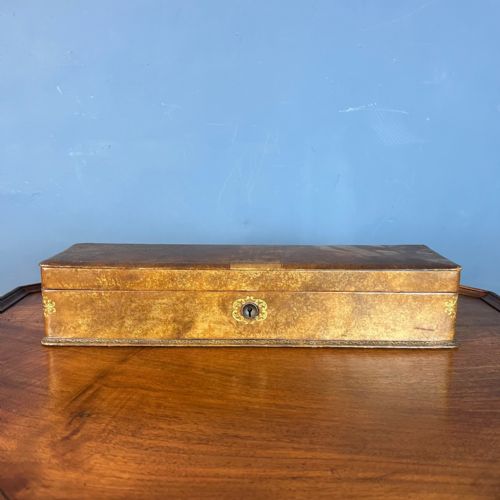
Object forms include inkstands, inkwells, paperweights, match holders, snuff boxes, book slides, quill holders, letter clips and stationary boxes.
Distinctions in quality
Quality rests upon the crispness of the casting in metalwork and the precision of the joinery in wooden boxes and book slides. Finer examples display sharp anatomical detail in figurative pieces and tight, accurate wood inlays.
The choice of secondary materials marks the distinction between standard items and superior works. The integration of genuine agate cabochons, champleve enamel and hand-painted porcelain elevates an accessory above utilitarian production.
The Nineteenth Century Desk Accessories Glossary
- Inkstand
- A tray or stand holding one or more inkwells, and often pen recesses or pounce pots. These desk centrepieces kept writing fluids orderly.
- Tunbridge ware
- Woodware decorated with tiny mosaic tesserae forming pictorial or geometric patterns. It originates from Kent and appears on boxes and book slides.
- Ormolu
- Gilt bronze mounted on decorative objects and furniture. The technique creates a rich golden finish on brassy metal alloys.
- Pounce pot
- A small shaker used to sprinkle resin powder over paper before writing. This prepared rough paper surfaces to receive ink smoothly.
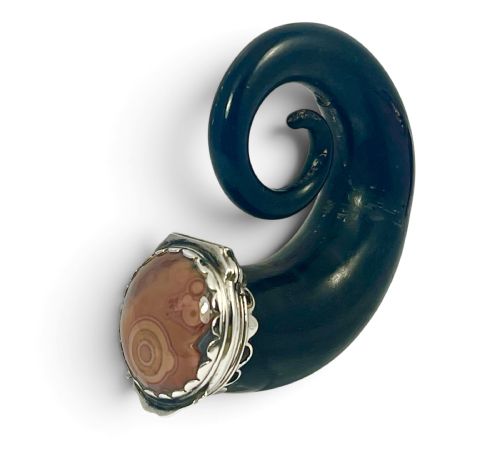
- Snuff mull
- A container for holding dry snuff tobacco, often fashioned from animal horn in Scotland. These portable items sat upon tables or were carried.
Nineteenth Century Desk Accessories: Frequently Asked Questions
How do I identify a Victorian inkstand?
Victorian inkstands typically feature a fitted tray holding one or more glass inkwells alongside pen rests. They frequently employ materials such as cast brass, oak or coromandel.
Many examples incorporate novelty forms like animals or use decorative treatments including champleve enamel and porcelain panels.
What is Tunbridge ware?
Tunbridge ware is a specialised form of woodwork characterised by mosaic surface decoration. Artisans assembled thousands of tiny tinted wood blocks to create geometric or floral patterns.
This technique appears on nineteenth century stationary boxes, folders and book slides produced in England.
How were novelty desk accessories used?
Novelty desk items combined decorative appeal with practical desktop functions. Pieces shaped as animals, such as owls, dogs and horses, often served as inkwells or match holders.
They added humour and personality to formal Victorian studies while maintaining everyday utility.