

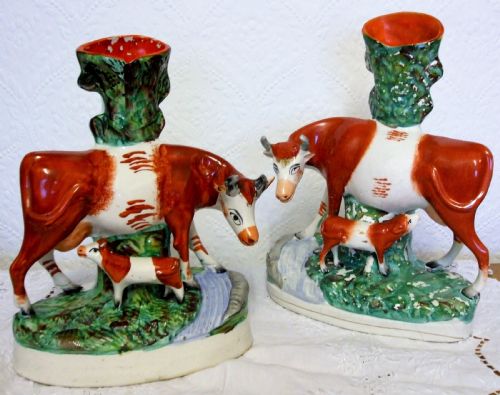


Nineteenth Century Ceramic Figurine
A nineteenth century ceramic figurine brings the domestic life, portraiture and popular theatre of the Victorian era directly to a mantelpiece.
Nineteenth Century Ceramic Figurine
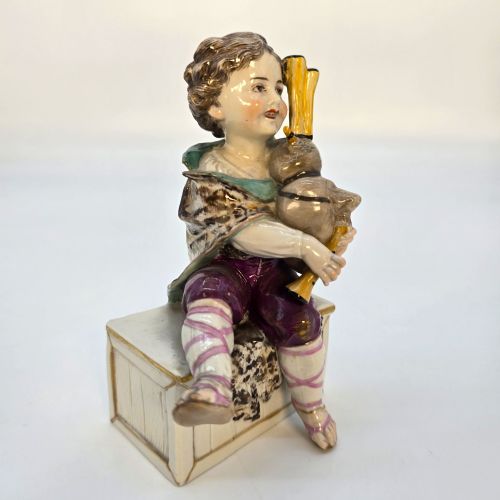
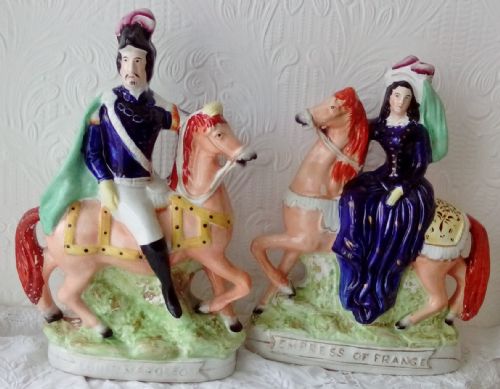
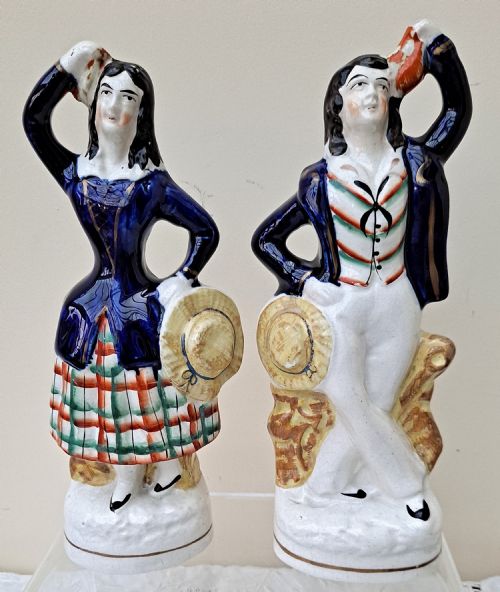
A nineteenth century ceramic figurine encompasses earthenware, porcelain and terracotta works produced across Britain, France, Germany and Japan. These pieces range from Staffordshire portrait groups and spill vases to continental biscuit porcelain musicians and classical maidens.
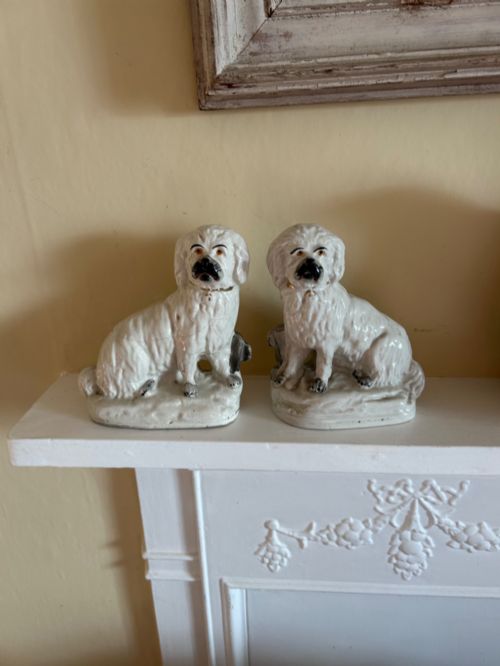
The most common examples on this page are English Staffordshire pottery figures, frequently modelled as pairs of dogs, theatrical characters or historical personages. Alongside these sit continental porcelain figures from factories such as Volkstedt and Paris, utilised for decorative display.
Makers utilised various ceramic bodies, decorating them with enamel paints, lead glazes, gilt and gold leaf to achieve both rustic folk appeal and refined neoclassical elegance.
Materials and Manufacture
Potters shaped these objects using earthenware, porcelain and terracotta, employing press moulds or slip casting to form the figures. Staffordshire earthenware bodies were often finished with hand-painted enamel colours and lead glazes, while continental manufactories produced biscuit porcelain and glazed porcelain.
The selection includes utilitarian forms such as spill vases and quill holders alongside decorative portrait figures.
Assessing Quality
Quality in a nineteenth century ceramic figurine rests upon the crispness of the moulding and the skill of the hand-painting. Superior pieces display sharply defined facial expressions, detailed clothing textures and accurately applied enamel colours rather than hasty, blurred brushwork.
The weight of the ceramic body and the stability of the glaze also indicate standard, with finer porcelain exhibiting translucency and earthenware showing an even, glossy lead or treacle glaze without heavy pooling.
Volkstedt Rudolstadt Factory·Letu and Mauger Paris·Volkstedt Richard Eckert·Royal Worcester·Bernard Bloch·Vion and Baury·Ernst Bohne and Sohne·Achille Mollica·Ernst Whaliss·Triebner Ens and Co·Minton·Royal Dux
The Nineteenth Century Ceramic Figurine Glossary
- Bisque
- Unglazed porcelain fired once to produce a matte surface resembling marble. It is frequently seen in nineteenth century continental figures.
- Parian ware
- A fine white unglazed porcelain developed to imitate carved marble. Figures in this material often depict classical subjects.
- Spill vase
- A hollow hollow-backed ceramic figure incorporating a small cylinder designed to hold wooden spills for lighting fires or pipes. These are common among Staffordshire pottery groups.
- Pearlware
- A refined type of earthenware developed by Josiah Wedgwood, featuring a bluish glaze that pooled in recesses. It provided a paler ground for enamel painting.
- Lead glaze
- A shiny coating applied to earthenware bodies before firing. It enhances colours and protects the painted surface beneath.
Nineteenth Century Ceramic Figurine: Frequently Asked Questions
What are nineteenth century ceramic figurines?
These pieces are moulded pottery and porcelain figures produced in Europe and Japan during the 1800s. They include portrait figures, animals, literary characters and classical allegories.
Potters created them for domestic display on mantelpieces and side tables, reflecting the popular tastes and cultural interests of the period.
How were Staffordshire figures displayed?
Staffordshire pottery figures were typically arranged in pairs on mantelpieces, flanking clocks or other decorative objects. Many incorporated practical elements such as spill holders or quill stands.
Owners placed them in prominent reception rooms to demonstrate cultural literacy, patriotism or affection for domestic animals.
How do I tell earthenware from porcelain?
Earthenware is an opaque, porous ceramic body that requires a glaze to remain watertight, whereas true porcelain is vitrified, hard and often translucent when held to the light.
Staffordshire pieces are generally earthenware, while continental and Japanese examples on this page are typically porcelain or terracotta.
How do I care for antique ceramic figures?
Antique ceramic figures require gentle dusting with a soft, dry brush to preserve hand-painted enamel details and fragile gilded surfaces. Avoid immersing them in water, particularly pieces with painted overglaze decoration.
Display them away from direct sunlight and areas subject to sudden temperature shifts to protect the glaze and body.