
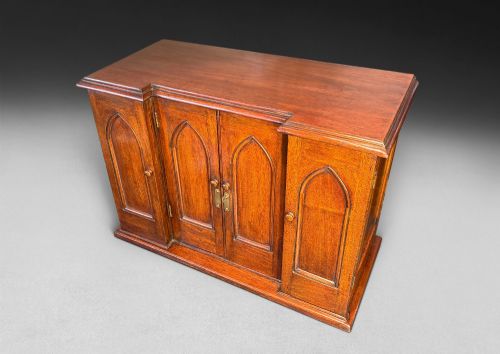
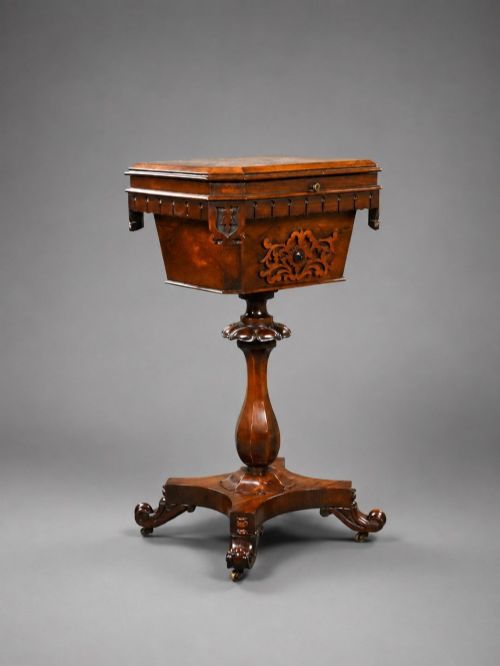
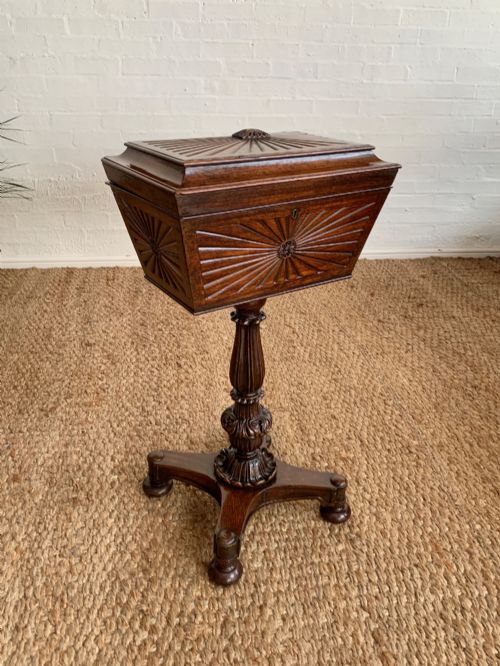
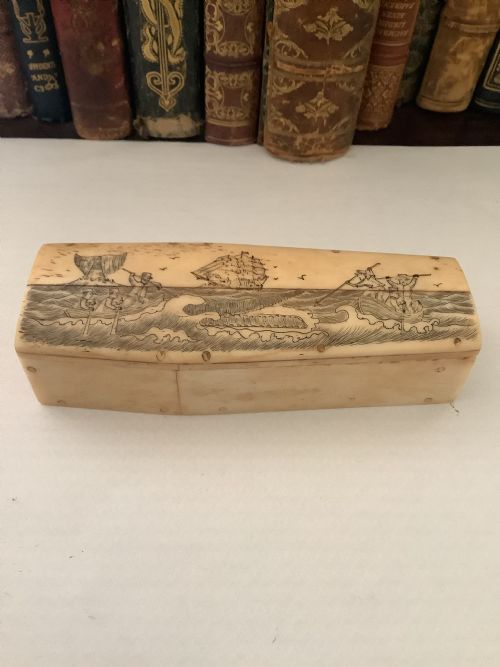



Nineteenth Century Carved Box
A nineteenth century carved box brings tangible craft to a desk or table, holding small treasures with period weight.
Nineteenth Century Carved Box
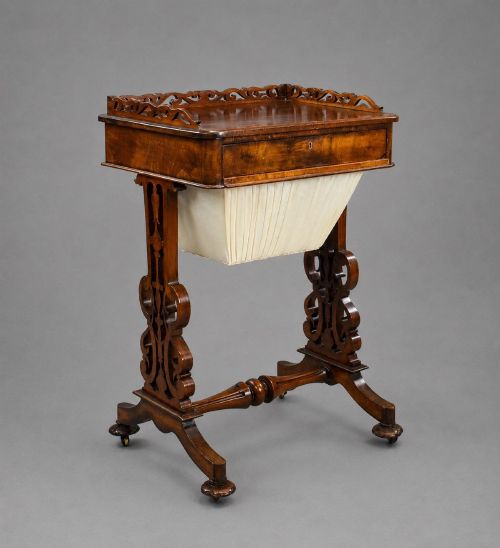
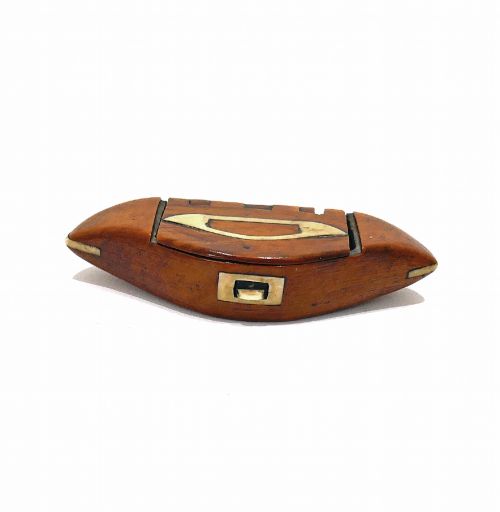
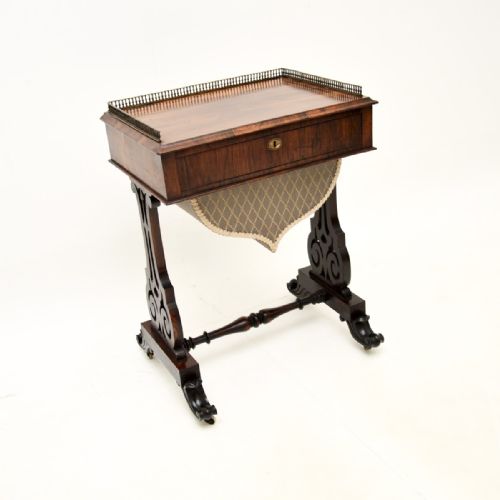
A nineteenth century carved box encompasses various functional vessels, from tea caddies and work tables to smaller snuff boxes and trinket containers. These pieces emerge predominantly from Victorian and Regency periods, carrying distinct regional identities ranging from English workshops to Anglo-Indian colonial outposts.
Buyers encounter solid timbers and fitted interiors designed for specific daily tasks, such as storing leaf tea, sewing implements or tobacco. The construction reflects the domestic habits of the nineteenth century, where personal items required secure, decorative housing.
The selection includes specialised forms like sarcophagus caddies, occasional tables with compartmented tops, and intricate specimen chests. Each item demonstrates the period preference for combining utility with ornate surface decoration.
Materials and Technique
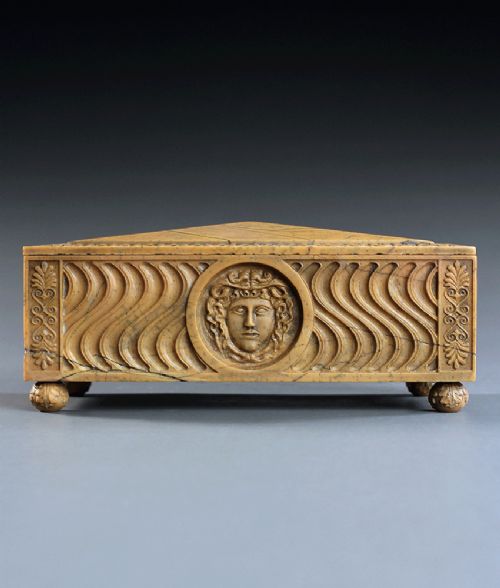
Cabinet makers utilised dense hardwoods such as rosewood, walnut, burr walnut, and mahogany as the primary structural foundations for these boxes. Surface enrichment often involved intricate carving directly into the timber or applying contrasting veneers and marquetry.
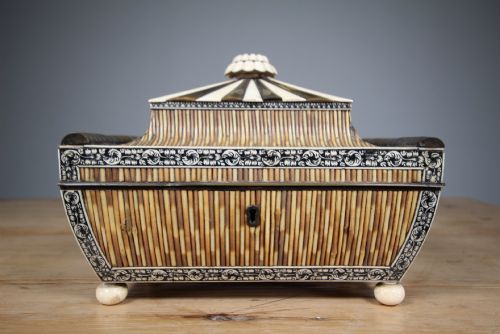
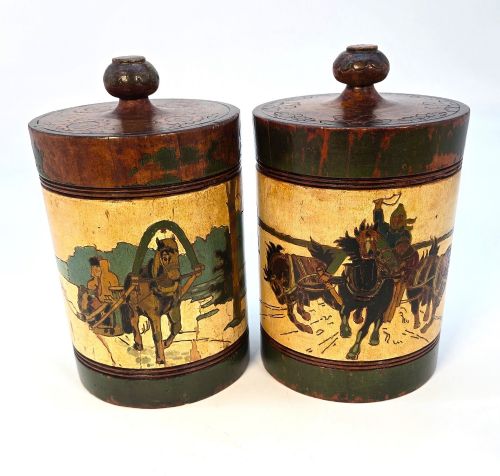
Exotic materials appear frequently, including bone inlay, ivory, horn, quill work, and tortoiseshell, particularly on Anglo-Indian pieces originating from Vizagapatam. Treen examples demonstrate precision turning and hand carving in fruitwood and boxwood.
Design and Execution
The degree of refinement in the carving separates standard utilitarian boxes from exceptional cabinet work. Crisp relief work, deep undercut foliage, and balanced proportions indicate skilled hand execution rather than mechanical production.
The selection of timber grain significantly influences the visual merit of a piece, particularly in burr walnut and figured rosewood surfaces. Uniform grain matching across the lid and sides demonstrates deliberate planning by the maker.
Completeness of internal fittings, original hardware, and working locks preserves the integrity of the object. Intricate details such as bone inlay or delicate quill work require intact components to maintain their original character.
B A Bremond
The Nineteenth Century Carved Box Glossary
- Tea caddy
- A lidded box designed to store loose tea leaves, often featuring internal compartments and a locking lid to protect valuable dry goods.
- Sarcophagus
- A box shape featuring a domed or sloping lid atop a tapered rectangular body, echoing classical monumental architecture popular during the Regency period.
- Anglo-Indian
- Descriptive of decorative arts produced in India during British rule, combining indigenous carving techniques with European furniture forms.
- Treen
- Small handmade wooden domestic objects, shaped by turning on a lathe or through hand carving.
- Vizagapatam
- A coastal Indian centre known for luxury boxes decorated with intricate engraved bone, ivory, and horn geometric patterns.
- Work table
- A small occasional table incorporating a fitted compartment or hanging bag for sewing and needlework supplies.
Nineteenth Century Carved Box: Frequently Asked Questions
What were nineteenth century carved boxes used for?
These vessels served specific domestic storage needs, holding dry tea leaves, sewing implements, tobacco, or personal letters securely in period households.
Their sturdy construction and lockable lids protected valuable or private items from dampness and casual handling.
How do I identify a Regency period box?
Regency examples frequently display classical architectural motifs, sarcophagus forms, and rich rosewood or mahogany veneers with restrained brass mounts.
Proportions tend to be formal and symmetrical, reflecting the neoclassical taste prevalent in the early decades of the century.
What distinguishes Anglo-Indian boxes?
Anglo-Indian pieces are characterised by dense surface carving in exotic hardwoods like sandalwood and ebony, often featuring elaborate ivory, bone, or quill work inlay.
These decorative techniques reflect the cross-cultural exchange of British design preferences executed by skilled artisans in workshops across India.
How should I care for wooden boxes?
Keep wooden boxes away from direct sunlight and sudden temperature shifts to prevent the timber and delicate veneers from warping or splitting.
Apply a minimal amount of appropriate wax polish occasionally to nourish the grain without buildup.