


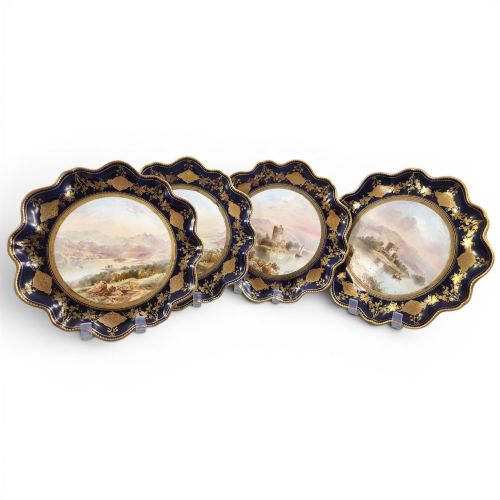


Nineteenth Century Cabinet Plates
Nineteenth century cabinet plates are decorative ceramics made for display rather than dining, prized for hand-painted scenes and rich gilding.
Nineteenth Century Cabinet Plates
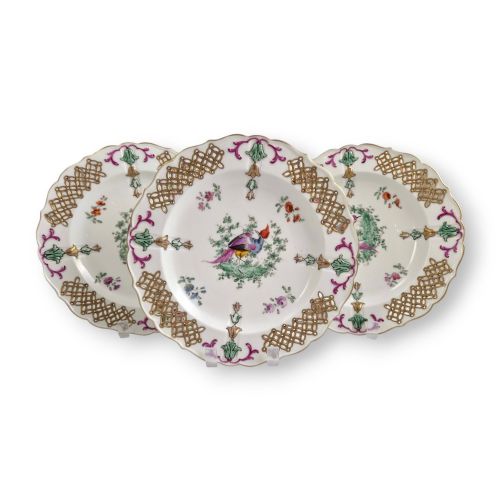
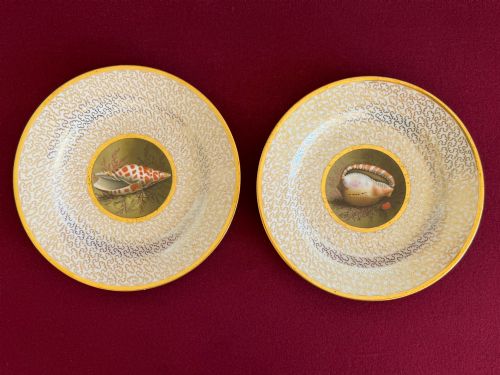
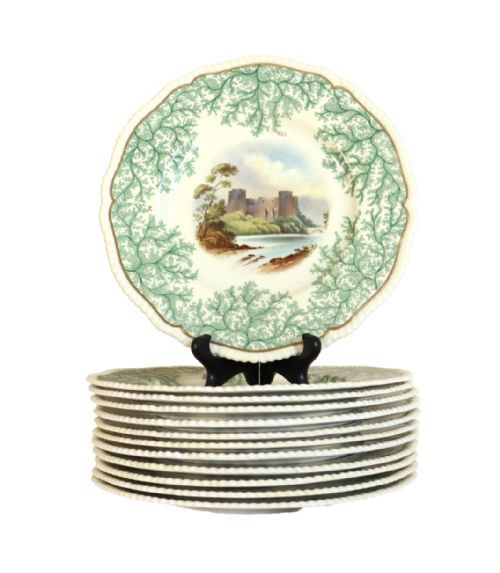
Nineteenth century cabinet plates comprise decorative plates, plaques, and chargers designed primarily for display in parlours and drawing rooms rather than for heavy dining use. These pieces often feature hand-painted topographical views, portraits, or elaborate floral compositions framed by ornate borders.
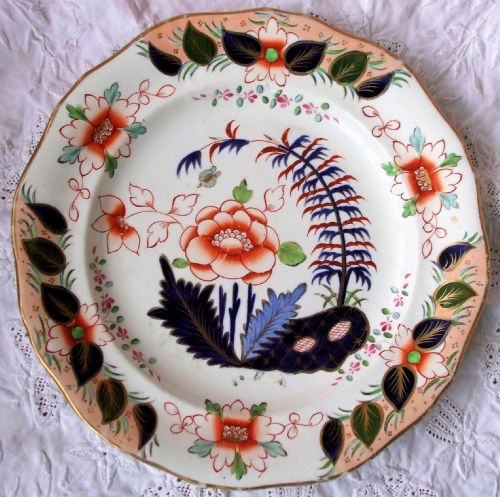
The selections available range from Regency Worcester services and Georgian ironstone to Victorian porcelain plaques and large Vienna chargers. Most examples encountered date from the Victorian and Georgian eras, spanning periods such as 1800 to 1880.
Makers span English factories like Copeland, Spode, and Coalport alongside continental producers such as Meissen, Sèvres, and Royal Vienna. Collectors typically choose these objects for their fine pictorial enamel work and historical factory provenance.
What varies in quality
Quality rests upon the skill of the hand-painted artistry, distinguishing finely executed pictorial scenes by known artists from standard transfer-printed or repetitive floral patterns. Precision in portraiture and landscape depth elevates the piece significantly.
The application and preservation of gold leaf gilding and enamel work dictate the overall refinement of the surface. Richly chased gilding and vibrant, stable glazes denote superior factory output from makers like Barr, Flight and Barr or Meissen.
Nineteenth Century Cabinet Plates Retail Price Guide 2026
Typical asking prices for nineteenth century cabinet plates among the pieces listed under this phrase on Sellingantiques today, from the lower quarter to the upper quarter. They describe what is for sale here now, not the wider market.
The listings show porcelain, ironstone, and earthenware bodies decorated with gold leaf, enamel, and glaze across the nineteenth century.
Barr Flight and Barr·Chamberlain Worcester·John Davenport·Kornilov Brothers·James Rouse Jnr·William Yale·Thomas Dickson
The Nineteenth Century Cabinet Plates Glossary
- Cabinet plate
- A decorative plate intended for display in a glass-fronted cabinet rather than everyday dining use. These items usually showcase superior hand-painted artistry.
- Enamel
- Vitreous pigments applied over the glaze and fired at a lower temperature to achieve rich, opaque surface colours. This technique permits intricate pictorial detailing.
- Gilding
- The application of gold leaf or gold paint to highlight borders, rims, and central motifs. It adds a reflective quality highly characteristic of nineteenth-century display pieces.
- Ironstone
- A heavy, durable type of earthenware patented in the nineteenth century to imitate Chinese porcelain. It provides a robust body for busy patterns.
- Charger
- A large decorative plate or plaque meant to be hung on a wall or stood on a sideboard. These pieces frequently feature complex historical or literary subjects.
Nineteenth Century Cabinet Plates: Frequently Asked Questions
How were cabinet plates used?
These plates were mounted on walls, displayed on sideboards, or arranged inside glass cabinets to be admired as works of art. They formed part of curated room displays in nineteenth-century homes.
Owners rarely used them for food, choosing instead to protect the delicate enamel surfaces and gold leaf gilding from wear. Display stands and wall wires allowed the pictorial centres to be easily viewed.
How do I live with cabinet plates?
Living with these plates involves placing them in stable locations away from direct sunlight to preserve the vibrancy of the hand-painted enamels. Wall mounting requires secure fixings due to the substantial weight of larger chargers and ironstone pieces.
Routine maintenance involves gentle dusting with a soft, dry cloth rather than washing. Avoiding moisture protects any exposed clay bodies and fragile gilt edges over time.
How do I identify different periods?
Period identification relies on examining factory marks, stylistic traits, and the composition of the ceramic body. Georgian pieces often exhibit neoclassical or Regency chinoiserie influences, while Victorian examples lean toward rich polychrome painting and ornate gilding.
Factory signatures, pattern numbers, and impressed stamps on the reverse provide precise clues to manufacturing dates. Comparing the painting style to documented works by makers helps confirm the era.