



Nineteenth Century Bird Painting
Nineteenth century bird painting brings domestic rooms alive with feathered detail, rendered in oil, watercolour, and gouache across Georgian and Victorian periods.
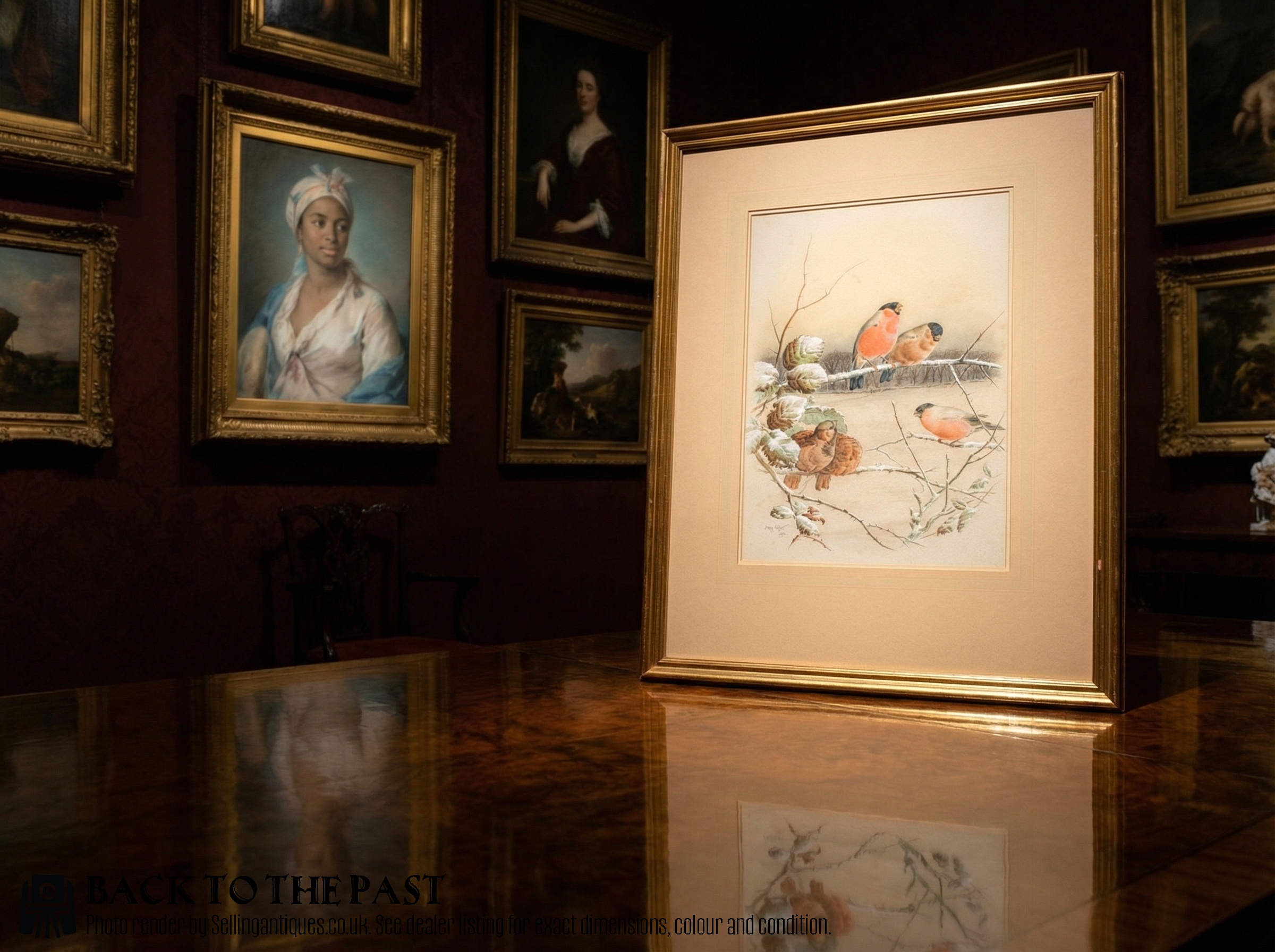
Nineteenth Century Bird Painting
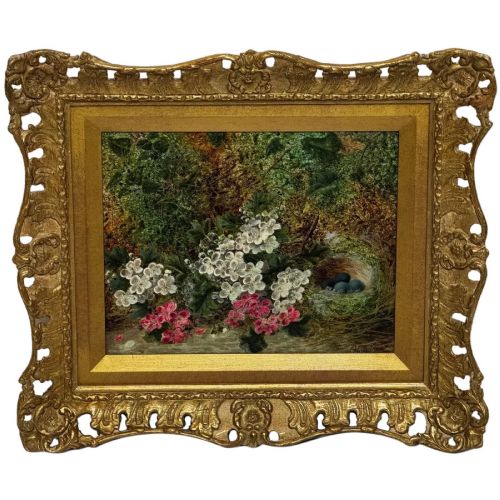
Nineteenth century bird painting encompasses works executed in oil paint, watercolour, and gouache during the 19th Century, Victorian, and Georgian periods. These pieces range from detailed studies of finches and parrots to broader still life compositions featuring nests and blossom.
Buyers will encounter oil paintings on board or canvas, watercolours on paper, and decorative ceramic surfaces adorned with avian motifs. The selection includes works by named artists alongside pieces from the English School or following established painters.
Materials and methods
Artists of the period applied oil paint to board and canvas or worked with watercolour and gouache on paper to achieve fine feather textures. Supporting elements frequently include wood frames, sometimes maple, housing the works behind glass.
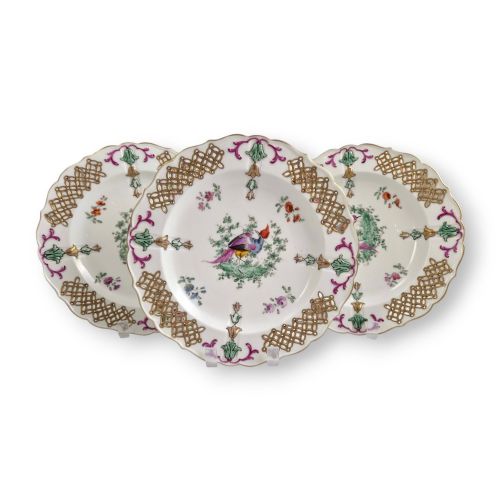
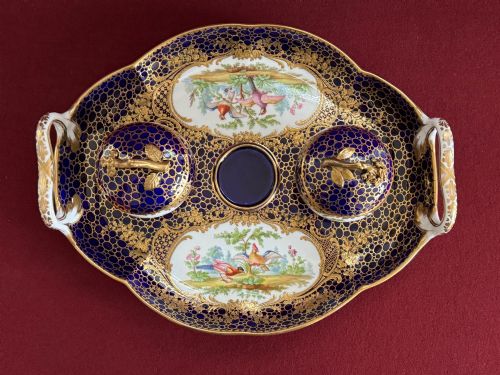
Beyond direct painting, avian subjects appear rendered in enamel and hand painted porcelain, utilising gold leaf accents where decorative richness is required.
Nineteenth Century Bird Painting Retail Price Guide 2026
Typical asking prices for nineteenth century bird painting among the pieces listed under this phrase on Sellingantiques today, from the lower quarter to the upper quarter. They describe what is for sale here now, not the wider market.
The selection includes oil paintings, watercolours, porcelain chargers, and decorative vases featuring bird and still life motifs.
Distinctions in execution
Quality rests in the precision of the brushwork and the naturalism of the subject's anatomy, separating careful observation from generic repetition. The handling of surrounding elements, such as foliage or nests, reveals the painter's capability.
The integrity of the physical medium, whether oil paint on canvas or watercolour on paper, alongside the preservation of original framing, determines the standing of an individual piece.
Oliver Clare·Chamberlain Worcester·Franz Bergman·Paul Lelong·Harry Bright·Eloise Harriet Stannard·Samson of Paris·George Lance·Meissen
The Nineteenth Century Bird Painting Glossary
- Gouache
- An opaque water-based paint that provides solid, matte areas of colour. It is frequently combined with gum arabic to increase luminosity.
- Oil Paint
- Pigments bound in a drying oil, typically linseed, allowing for blended transitions and textured application on canvas or board. This medium defined much of the period's output.
- Watercolour
- Pigments suspended in a water-soluble vehicle, applied in translucent washes on paper. This technique captures delicate light effects.
- Board
- A rigid substrate used as an alternative to stretched canvas for oil paintings. It offers a stable surface for smaller compositions.
Nineteenth Century Bird Painting: Frequently Asked Questions
What subjects appear in these paintings?
The works depict various avian subjects, including finches, parrots, and magpies, often integrated with natural elements like nests, blossom, and fruit. Still life arrangements frequently pair birds with seasonal produce.
Compositions range from focused zoological studies to broader decorative scenes set within farmyards or woodland backgrounds.
How should I hang watercolour paintings?
Watercolour paintings require protection from direct sunlight to prevent the pigments and paper support from fading over time. Glazing with appropriate framing helps shield the delicate surfaces from environmental moisture.
Placement away from heat sources ensures the paper and framing materials remain stable in domestic interiors.
How do I identify a Victorian piece?
Victorian pieces typically align with the stylistic conventions and materials of the nineteenth century, including specific framing types and pigment formulations. Signatures, inscriptions, and labels on the reverse often provide direct attribution.
Comparing the handling of the subject to documented works from the same era aids in confirming the period.
What is the difference between oil and watercolour?
Oil paint utilises a drying oil binder on canvas or board, allowing for rich textures and layered colours. Watercolour employs water-soluble binders on paper to create translucent, luminous washes.
Oil works generally require different framing protection compared to works executed on paper under glass.