


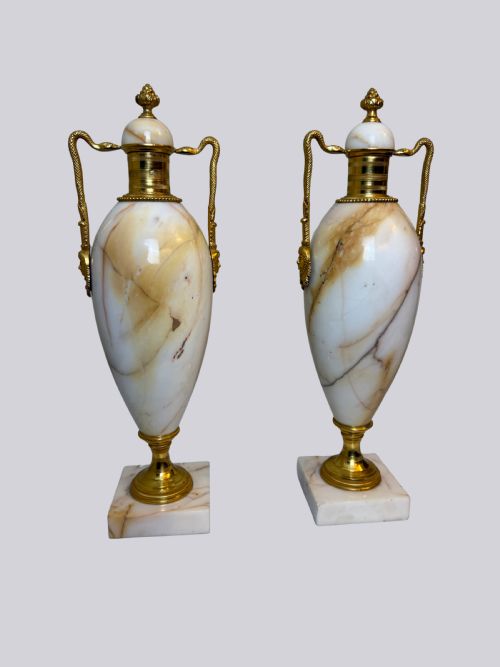


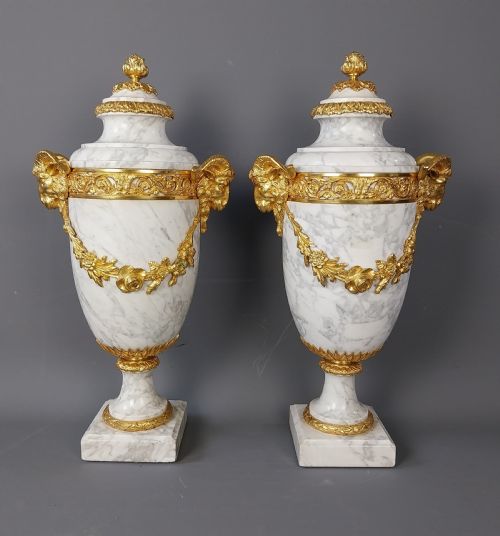


Neoclassical White Vase
A neoclassical white vase brings classical proportion and restraint to a room, drawing the eye with crisp ornament and formal symmetry.
Neoclassical White Vase
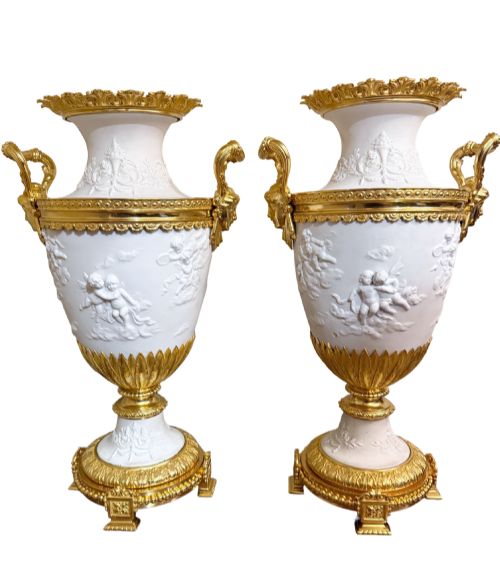
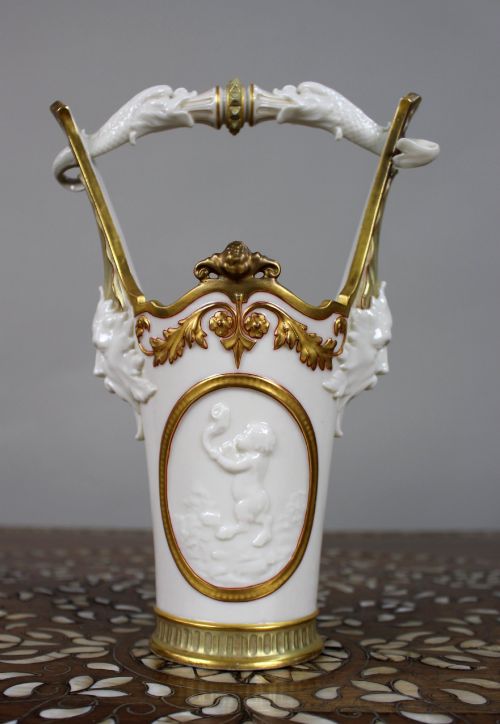
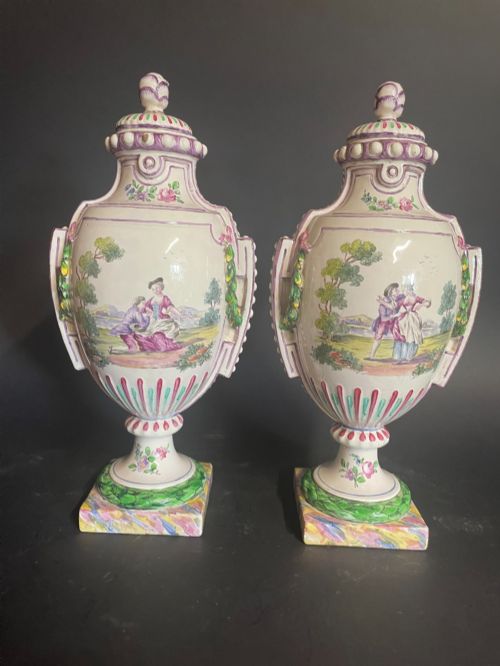
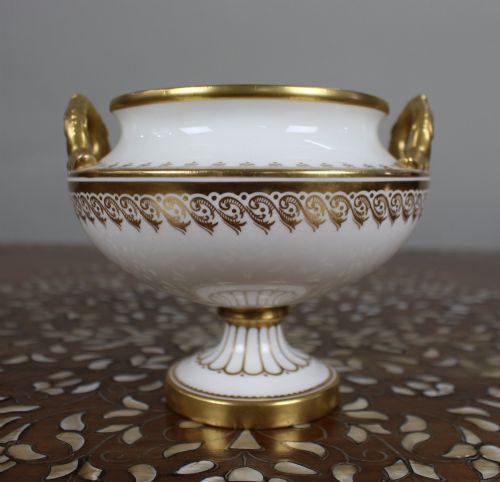
A neoclassical white vase draws on ancient Greek and Roman forms, appearing on this page most frequently as porcelain or marble vessels from the nineteenth century. Buyers searching for a neoclassical white vase encounter decorative urns, campana shapes, and classical pedestal vases finished with gilt bronze or enamel details.
The objects span Georgian, Regency, and Victorian periods, including French and English interpretations of classical design. Forms range from lidded cassolettes to grand exhibition pieces and Grand Tour souvenirs made for European travellers.
Materials and construction
Makers shaped these pieces from white marble, alabaster, onyx, and fine porcelain, often mounting them with gilt bronze handles, collars, and bases. Stoneware and jasperware versions utilise applied bas-reliefs in white against contrasting grounds.
Surface decoration relies on hand-painted classical scenes, gilding, and vitrified glass techniques. Stoneware and porcelain pieces undergo precise firing to achieve the smooth white bodies characteristic of the style.
Assessing quality
Quality rests upon the crispness of the carving or moulding, particularly in the relief figures and acanthus leaf details. Sharp definition in marble and precise modelling in porcelain separate finer examples from standard production pieces.
The weight and finish of the gilt bronze mounts further distinguish the work. Finer items feature meticulously chased metalwork that integrates seamlessly with the stone or ceramic body.
Royal Worcester·Sceaux Faience·Wedgwood·Richardson
The Neoclassical White Vase Glossary
- Campana
- A bell-shaped vessel with a flaring rim and a footed base. This form originates from ancient pottery and bronze wine-mixing vessels.
- Cassolette
- A decorative vase or urn featuring a reversible lid that can function as a burner or a solid cover. These vessels appear frequently in French neoclassical interiors.
- Jasperware
- A type of fine stoneware developed by Wedgwood, characterised by a matte surface and contrasting applied relief decorations. The white reliefs typically depict classical figures.
- Grand Tour
- A traditional journey through Europe undertaken by upper-class young men in the eighteenth and nineteenth centuries. Souvenirs from these trips included alabaster and marble vases carved with classical motifs.
Neoclassical White Vase: Frequently Asked Questions
How do I date a white classical urn?
Dating relies on material composition, maker marks, and the specific nuances of the neoclassical revival style during the nineteenth century. Georgian and Regency pieces often display hand-turned bases and softer patination compared to later Victorian manufacturing.
Examining the underside, mounting screws, and gilding technique helps confirm the period. Archival records and factory marks provide further confirmation when present on the ceramic body.
Where should I place a heavy marble urn?
Marble and stone vessels require sturdy, level surfaces capable of supporting substantial weight, such as console tables or robust pedestals. Positioning them away from high-traffic areas protects protruding handles and gilt bronze mounts from accidental knocks.
Natural light enhances the carved relief details and translucent qualities of alabaster and white marble. Placing the piece near a window allows the form and surface texture to catch side illumination.
Are these vases suitable for holding water?
Most antique decorative urns and vases serve primarily as ornamental objects rather than functional vessels for cut flowers. Porosity in older ceramic bodies or the presence of internal joins means filling them with water can cause damage.
Alabaster and unglazed stone are particularly sensitive to moisture, which can stain or dissolve the material over time. Utilising a discreet internal liner protects the antique interior if floral display is desired.
How do I clean nineteenth-century porcelain and marble?
Dusting with a soft, dry microfibre brush or cloth prevents particulate buildup without abrasive friction. Avoid using chemical sprays or household detergents on historic surfaces, as these can strip original gilding and damage porous stone.
Stubborn grime on glazed porcelain requires only a damp cloth with mild soap, followed by immediate drying. Stone surfaces should remain dry to prevent moisture absorption into microscopic fissures.