




Neoclassical Plaster Casting
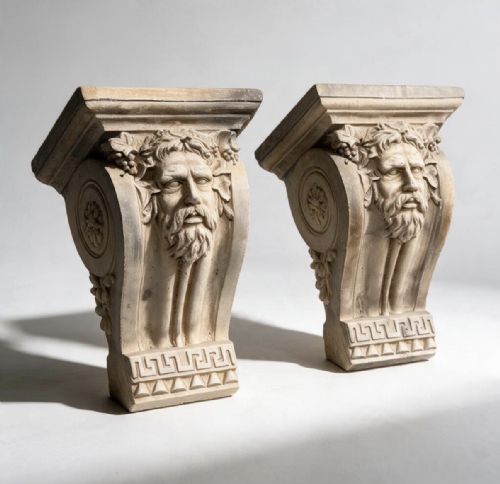
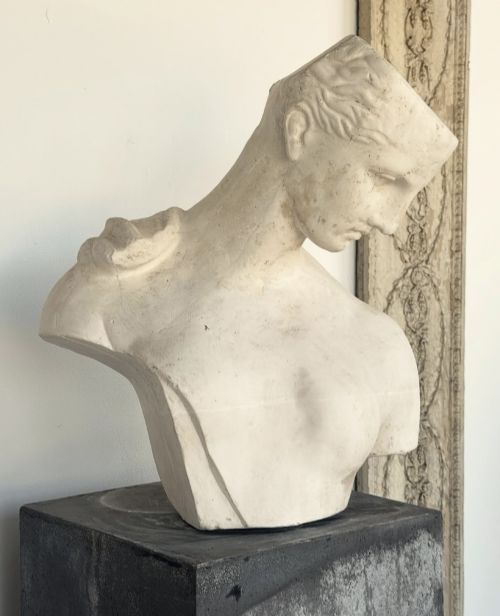
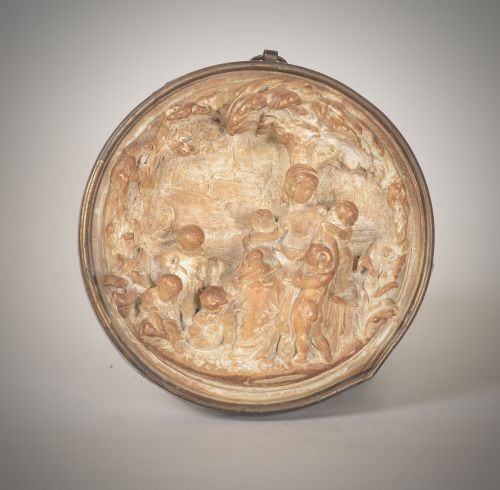
These neoclassical plaster casting pieces bring the grand scale of antiquity straight into a room through crisp intaglios, classical busts, and relief panels.
Neoclassical Plaster Casting
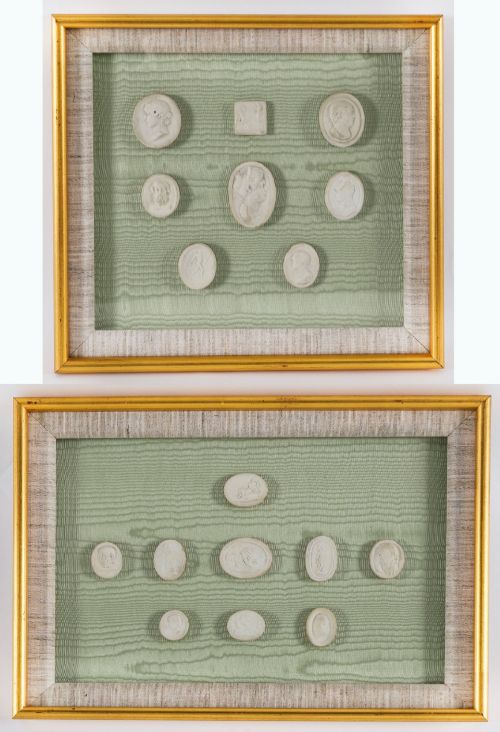
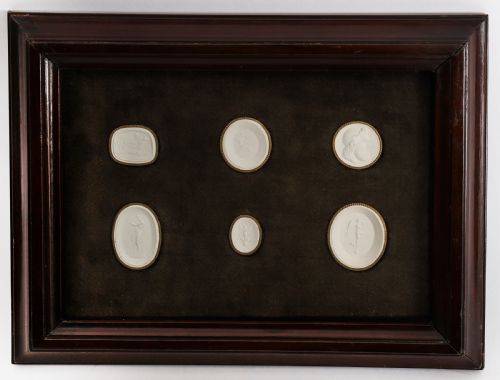
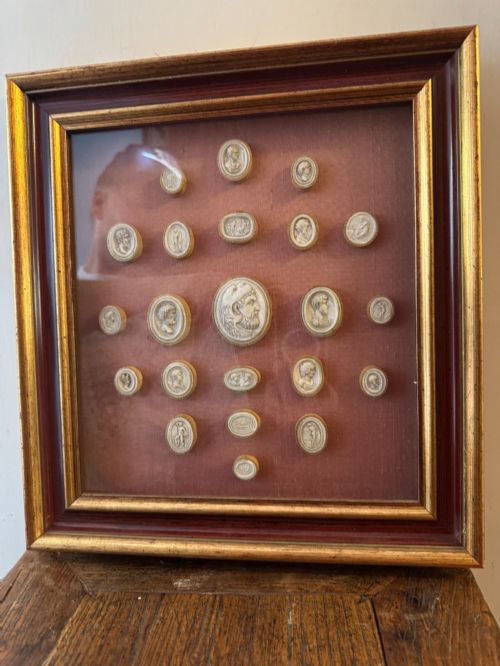
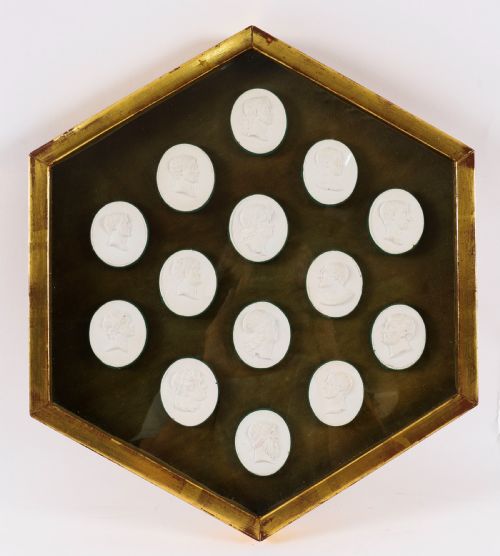
A neoclassical plaster casting represents the enduring taste for classical antiquity, spanning framed intaglios, wall plaques, and sculptural busts. When exploring this phrase, collectors encounter framed sets of intaglios alongside larger wall art and sculptural figures.
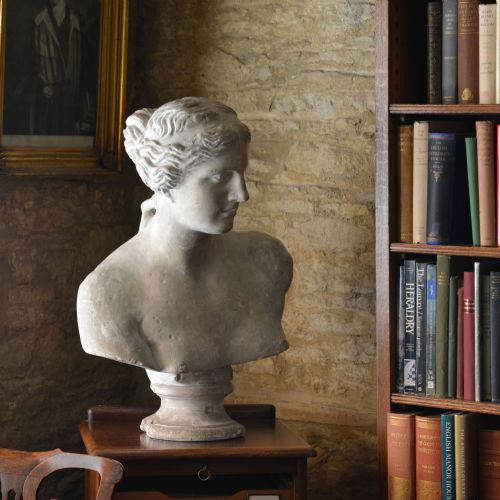
The selection ranges from individual plaster busts of historical figures like Napoleon, Venus de Milo, and Homer to extensive framed sets of classical cameo intaglios. These objects originated as souvenirs from the Grand Tour or as scholarly copies for nineteenth-century interiors.
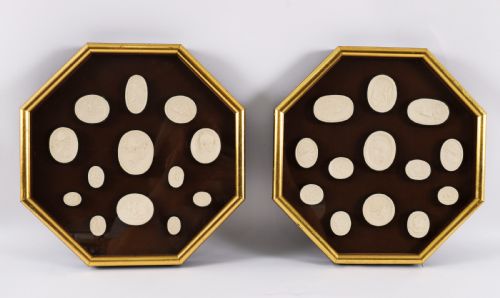
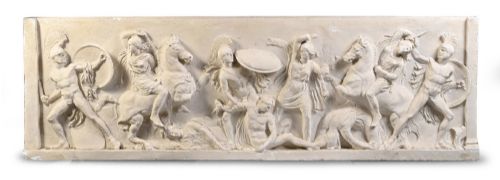
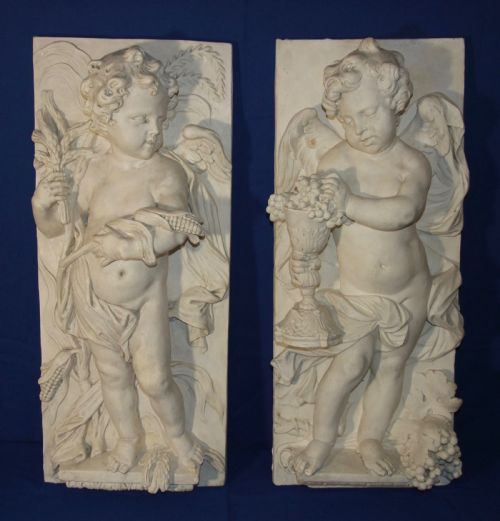
The form stretches from eighteenth-century wall friezes depicting winged cherubs to twentieth-century plaster and marble dust reliefs. The nineteenth-century pieces dominate the selection, often arranged in pairs or curated sets within octagonal or giltwood frames.
Materials and construction methods
Workers poured liquid plaster or gypsum into moulds taken from classical antiquities, capturing the fine details of ancient sculptures and carved gems. Some later twentieth-century reliefs incorporate marble dust alongside plaster to achieve a heavier, stone-like consistency.
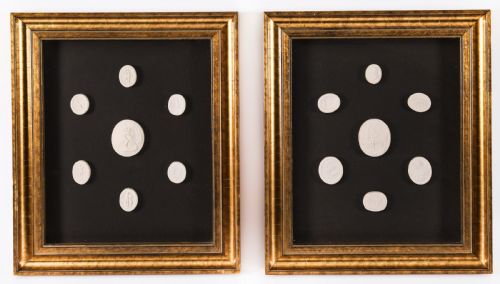
Framed intaglio sets rely on backing materials such as velvet, fabric, and paper to display the white plaster casts in high contrast. Glaziers enclosed many of these collections within glass-fronted frames, sometimes highlighted with gilt wood and giltwood mouldings.
Neoclassical Plaster Casting Retail Price Guide 2026
Typical asking prices for neoclassical plaster casting among the pieces listed under this phrase on Sellingantiques today, from the lower quarter to the upper quarter. They describe what is for sale here now, not the wider market.
The listings show plaster and gypsum works spanning the eighteenth century through the twentieth century, incorporating glass, velvet, and giltwood frames.
What distinguishes finer examples
Quality rests in the crispness of the cast and the depth of the relief, where sharper definition reveals a closer adherence to the original classical source. The handling of the material shows in the smoothness of the surface and the absence of pitting or distortion.
The presentation elevates certain pieces, particularly where intaglios are arranged with care inside period frames lined with velvet or paper. Signed works associated with known modellers demonstrate superior draughtsmanship and composition in the arrangement of the casts.
Pietro Bracci·Giovanni Liberotti
The Neoclassical Plaster Casting Glossary
- Intaglio
- A design engraved into a material so that the impression sinks below the surface, much like a carved gem used for sealing wax. In these collections, the plaster casts record these sunken ancient designs in positive relief.
- Grand Tour
- A traditional trip through Europe, primarily Italy, undertaken by upper-class young men in the eighteenth and nineteenth centuries to study classical art. Travellers collected plaster casts and intaglios as portable evidence of their classical education.
- Giltwood
- Wood that has been treated with a thin layer of gold leaf or gilt, commonly used to frame eighteenth and nineteenth-century intaglio collections. This framing method adds reflective warmth to the crisp white plaster within.
- Cameo
- A method of carving an object such as an engraved gem or stone with a raised positive relief. Plaster versions imitate these carved stones for display within framed wall art.
- Frieze
- A broad horizontal band of sculpted or painted decoration, seen here in plaster wall friezes depicting classical subjects like winged cherubs. These architectural elements brought classical proportions to domestic interiors.
Neoclassical Plaster Casting: Frequently Asked Questions
What is a neoclassical plaster casting?
A neoclassical plaster casting is a sculptural reproduction or intaglio cast modelled after ancient Greek and Roman art. These pieces gained immense popularity during the eighteenth and nineteenth centuries.
Craftspeople used plaster, gypsum, and occasionally marble dust to capture the likenesses of classical busts, mythological figures, and engraved gems. Collectors displayed them as framed wall art or freestanding sculptures to signal scholarly refinement.
How were grand tour intaglios used?
Grand tour intaglios served as educational souvenirs and tangible records of classical art encountered during European travels. Travellers purchased sets of plaster casts made from famous antique gems and intaglios.
Back home, owners mounted these miniature reliefs inside glass-fronted wooden frames against velvet or paper backgrounds. They functioned as conversation pieces and reference collections for scholars and gentlemen.
How do I date a plaster bust?
Dating a plaster bust requires examining the material composition, the style of the casting, and any associated framing or mounting. Nineteenth-century examples often exhibit specific patination and wear consistent with age.
Moulds taken during the classical revival periods reflect the aesthetic preferences of the nineteenth and early twentieth centuries. Comparing the subject matter to known periods helps narrow down the decade of production.
How should I care for plaster wall art?
Plaster wall art requires protection from excessive moisture and direct sunlight to prevent discolouration or structural weakening of the gypsum material. Dusting should be done gently with a soft, dry brush.
Framed intaglios behind glass benefit from stable indoor humidity levels to protect the delicate paper, fabric, or velvet backings. Avoid using liquid cleaners on the plaster surface.