




Neoclassical Pier Glass
A neoclassical pier glass brings classical proportion and reflected light to a room, hung between windows or above a console table.
Neoclassical Pier Glass
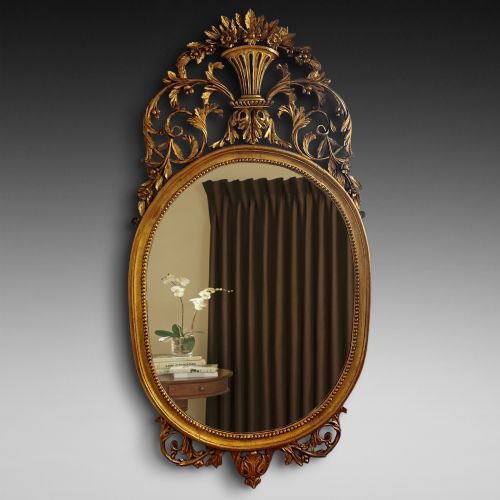
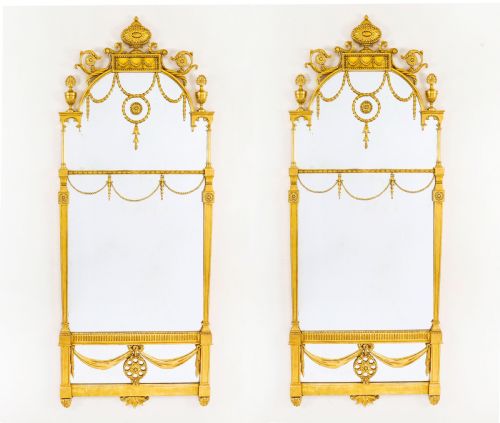
A neoclassical pier glass is a tall wall mirror designed to occupy the architectural space between windows, frequently encountered in 18th century, Georgian, and Regency forms. These pieces often incorporate console tables beneath them, matching the giltwood and painted wood frames of the mirror above.
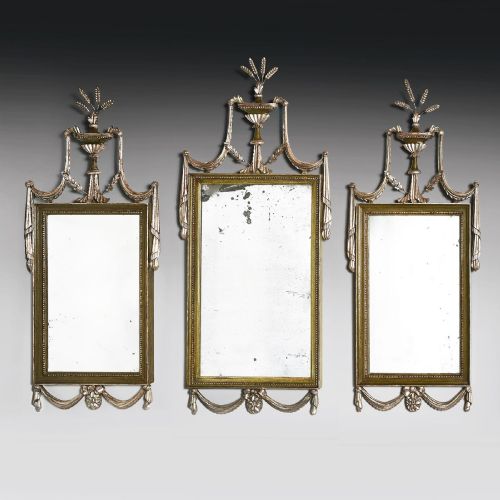
The selection ranges from George III Adam revival pieces to French Empire and Swedish Empire revival designs spanning the 19th century. Wall mirrors and pier mirrors dominate the forms, defined by classical motifs and architectural proportions.
Materials and construction
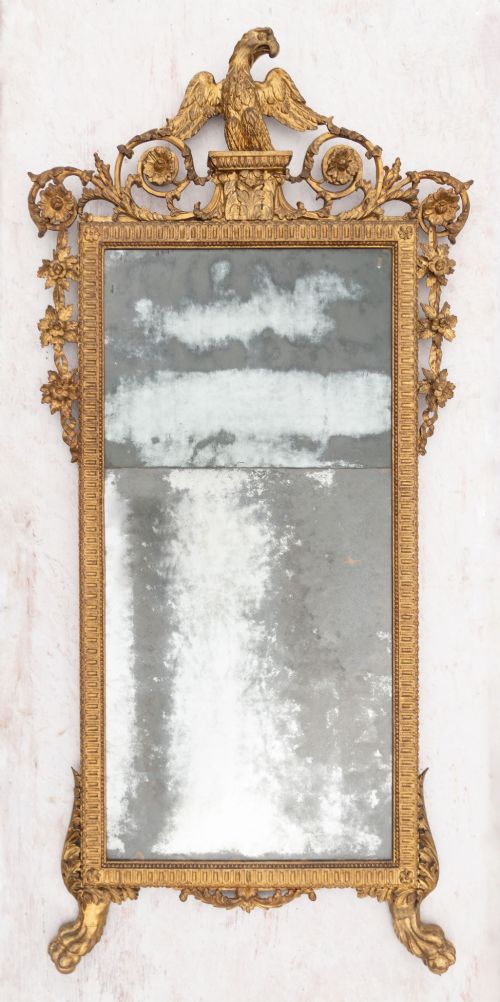
Frames are constructed from wood, mahogany, and birch, subsequently built up with gesso and finished in gold leaf, parcel gilt, or paint. Mercury glass plates provide the reflective surface in period pieces, secured within carved giltwood structures.
Carving and application of classical motifs define the ornamentation, utilising techniques found in English, French, and Swedish workshops. Ormolu mounts occasionally accent Empire period mahogany frames.
Assessing quality and execution
Quality rests in the crispness of the carved gesso and giltwood details, where superior pieces exhibit deep relief in classical motifs and lion masks rather than shallow moulding. The depth of the original mercury glass plate and the integrity of the joinery in large frames separate standard examples from exceptional ones.
Proportion and harmony between the mirror and its associated console table dictate the architectural success of the piece. The application of gold leaf and the subtlety of painted wood finishes reflect the standard of the workshop of origin.
Gillows Of Lancaster
The Neoclassical Pier Glass Glossary
- Pier glass
- A tall mirror specifically proportioned to hang on the pier wall between two windows. It frequently pairs with a console table.
- Giltwood
- Timber, commonly carved wood or gesso over a wooden base, coated with gold leaf. This finish defines the reflective warmth of classical mirrors.
- Mercury glass
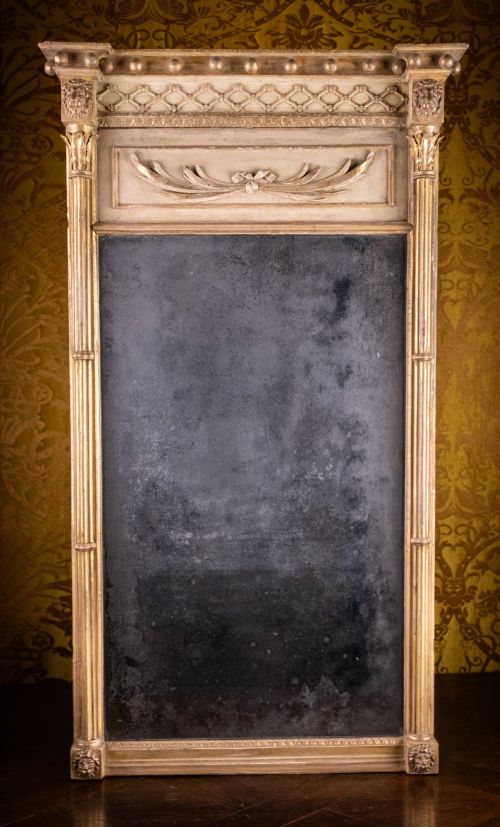
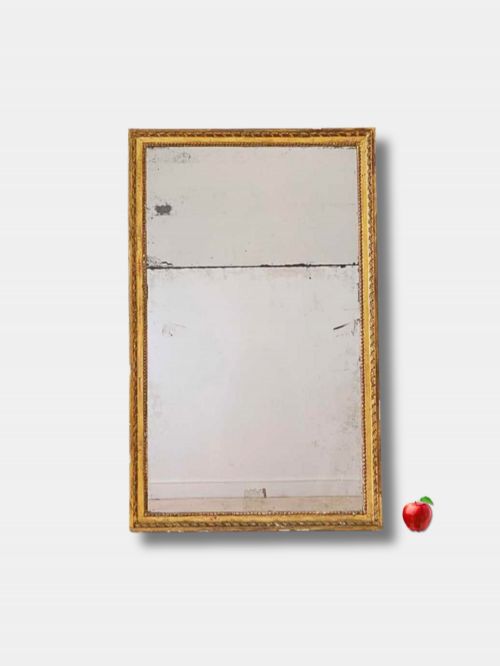
- Mirror glass produced using a tin-mercury amalgam behind the glass plate before silvering techniques replaced the process. It yields a characteristic mottled, deep reflection.
- Trumeau
- An architectural wall panel containing a painted scene or mirror, popular in 18th century interior decoration. The mirror glass sits below or within decorative woodwork.
- Ormolu
- Gilded bronze mounts applied to furniture and frames. The technique highlights classical details on Empire period pieces.
Neoclassical Pier Glass: Frequently Asked Questions
Where should a pier glass be hung?
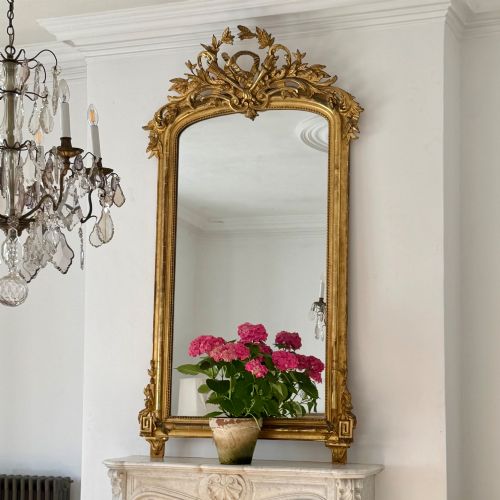
These mirrors are traditionally positioned on the wall space between two windows to maximise natural light in a room. They also function effectively above console tables or fireplaces.
The vertical proportions require adequate wall height to maintain the architectural balance intended by the original design.
How do I identify a mercury glass plate?
Mercury glass displays a characteristic dark, reflective depth with subtle clouding and speckling behind the glass. This appearance results from the historical tin-mercury backing process used before modern silvering.
Original plates often show minor oxidation spots near the edges where the seal has aged over centuries.
What is the difference between a pier glass and a wall mirror?
A pier glass is specifically designed in a tall, narrow format to fit the architectural pier wall between windows. Standard wall mirrors are manufactured in various shapes and proportions without this specific spatial restriction.
Pier mirrors frequently incorporate console tables or architectural pediments tailored to vertical spaces.
How do I care for giltwood frames?
Giltwood frames require dusting with a soft, dry brush to protect the delicate gold leaf and gesso surface. Moisture and chemical cleaners must be avoided entirely to prevent lifting the finish.
Stable indoor humidity preserves the underlying wood and prevents the gesso from cracking.