
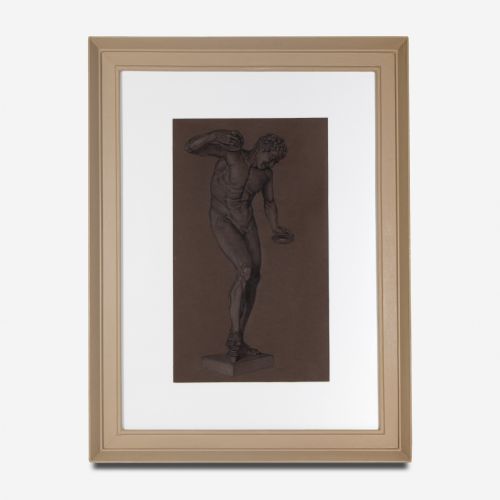


Neoclassical Picture Frame
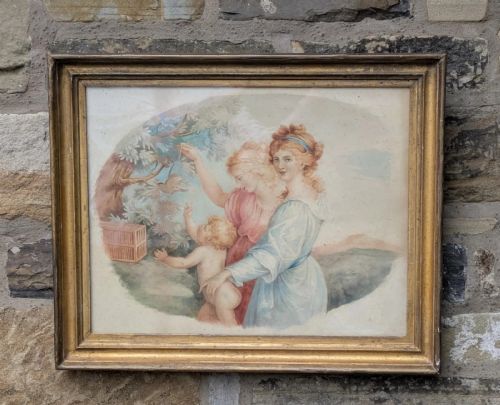
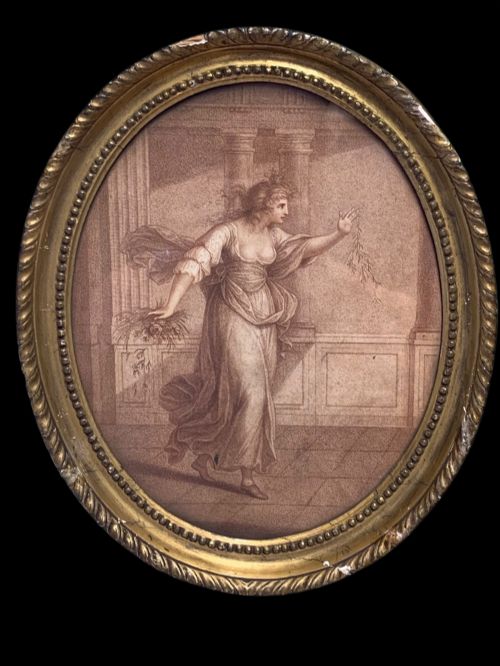
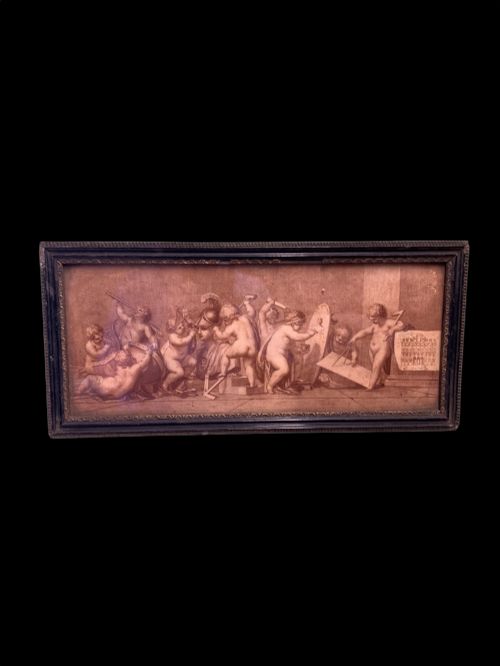
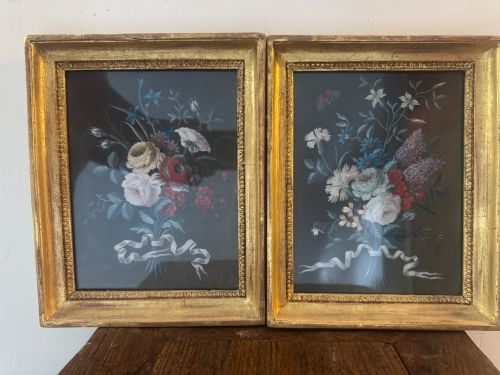
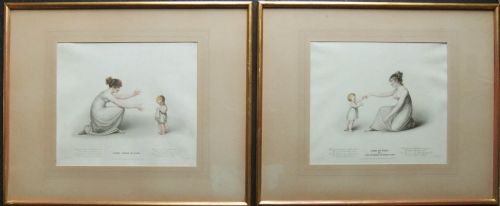
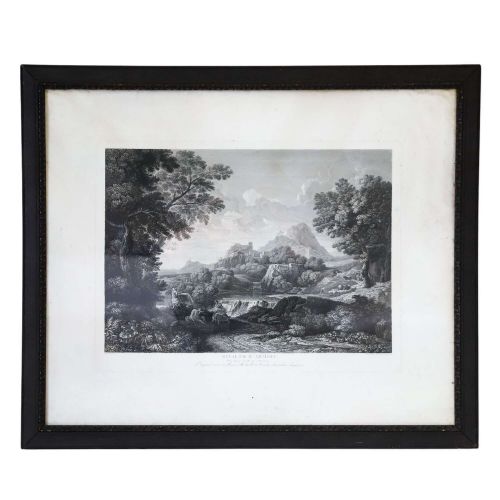
These neoclassical picture frame examples house eighteenth and nineteenth century watercolours, gouaches, and engravings within classical moulding.
Neoclassical Picture Frame
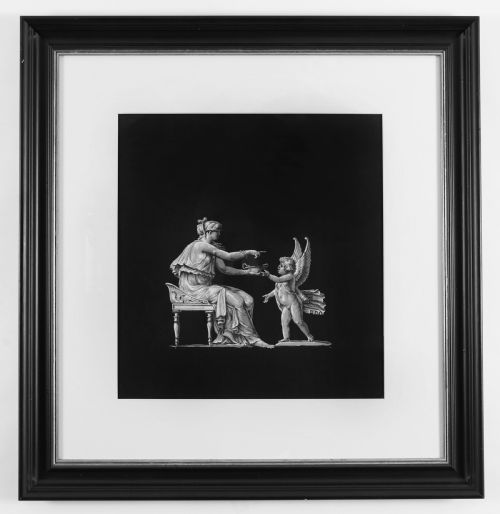
A neoclassical picture frame provides a structured border for period works, ranging from eighteenth century stipple engravings and gouaches to nineteenth century watercolours and architectural prints. You meet these pieces in wood, gesso, and giltwood configurations that often house mythological scenes of Venus, Cupid, and classical figures.
The form encompasses framed wall art and mirrors alongside original paintings on paper and board, reflecting the enduring influence of classical motifs across the eighteenth, nineteenth, and early twentieth centuries.
How they were made
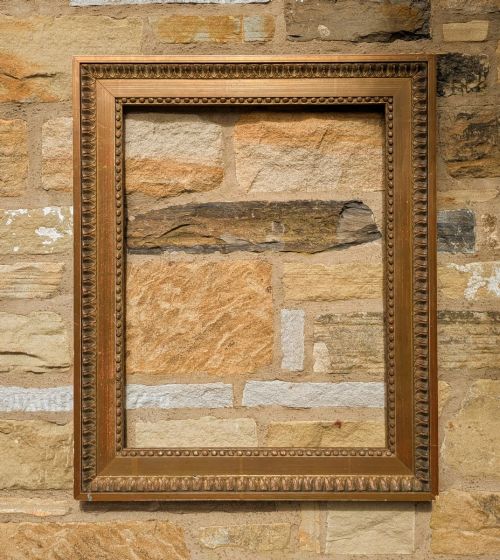
Materials rely heavily on wood, gesso, and glass, with decorative surfaces finished in gold leaf and giltwood. Makers shaped moulding profiles like the egg and dart beaded style to frame works on paper, canvas, and board.
Techniques combine traditional woodworking with applied gesso decoration to achieve classical architectural relief, complemented by ormolu mountings on metal photograph frames.
Object types span framed artwork, wall art, picture frames, watercolour paintings, framed prints, and framed paintings reflecting classical and neoclassical styles.
What varies in quality
Quality depends upon the crispness of the gesso moulding and the preservation of the original gilt surface. Refinished or heavily restored gilding alters the visual weight of the frame relative to the period artwork it encloses.
The depth of the carving and the integrity of the joinery at the corners separate standard production pieces from finer examples designed for significant eighteenth and nineteenth century artworks.
Boin Taburet·Louis Leopold Boilly·Elisabeth Vigee Le Brun·Cipriani
The Neoclassical Picture Frame Glossary
- Giltwood
- Wood that has been coated with gold leaf or a gold-coloured metallic finish. This technique creates a luminous surface common in classical framing.
- Gesso
- A plaster-like mixture applied to wood frames to create a smooth surface for carving and gilding. It allows for intricate relief ornamentation.
- Stipple engraving
- A printmaking method using dots to form tonal gradations rather than continuous lines. It frequently appears in eighteenth century classical prints.
- Gouache
- An opaque water-based paint used on paper for botanical and figurative compositions. It provides dense colour saturation.
- Ormolu
- Gilded bronze used for decorative metalwork and photograph frames. The technique was widely utilised in French decorative arts.
Neoclassical Picture Frame: Frequently Asked Questions
How do I date a giltwood frame?
Dating relies on examining the construction methods of the wood backing and the composition of the gesso beneath the gold leaf. Earlier pieces often display hand-carved details and layered preparation grounds.
Changes in moulding profiles, such as the adoption of egg and dart ornamentation, also help assign pieces to eighteenth or nineteenth century periods.
Are these frames sold with artwork included?
Many listings present the frame alongside period watercolours, stipple engravings, or gouache paintings. The works often depict classical mythology, architectural scenes, or portraits.
Buyers frequently encounter these items as integrated decorative objects where the frame and the artwork date from the same period.
What is an altar frame?
An altar frame, or cartagloria, is a devotional furnishing traditionally placed on or near an altar. These antique Italian pieces are typically fashioned from gilt wood.
They often feature architectural elements like tabernacle styling, reflecting religious interior aesthetics of the eighteenth century.
How should I clean a gilded surface?
Gilded wood requires gentle dusting with a soft dry brush to remove particulate matter without disturbing the delicate gold leaf. Moisture and chemical cleaners must be avoided entirely.
Protecting the surface from direct sunlight prevents the gesso and underlying wood from drying out and cracking over time.