




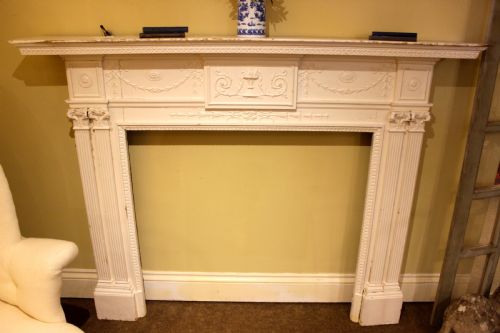


Neoclassical Painted Column
These neoclassical painted column pieces bring classical architectural dignity to interiors through hand-finished surfaces.
Neoclassical Painted Column
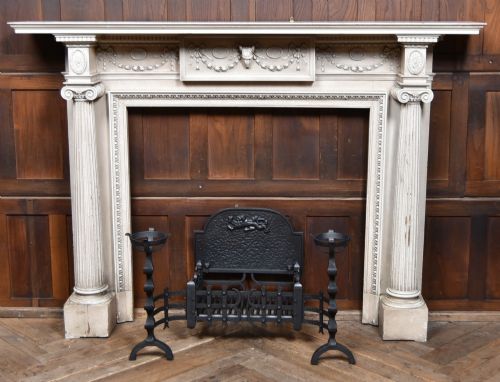
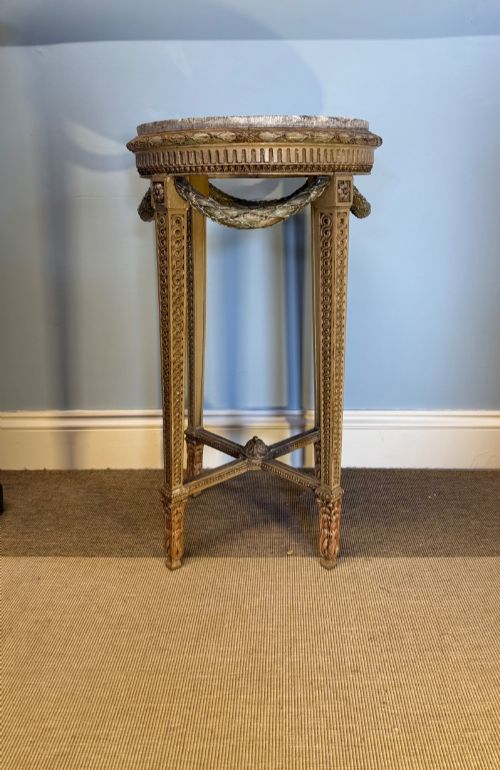
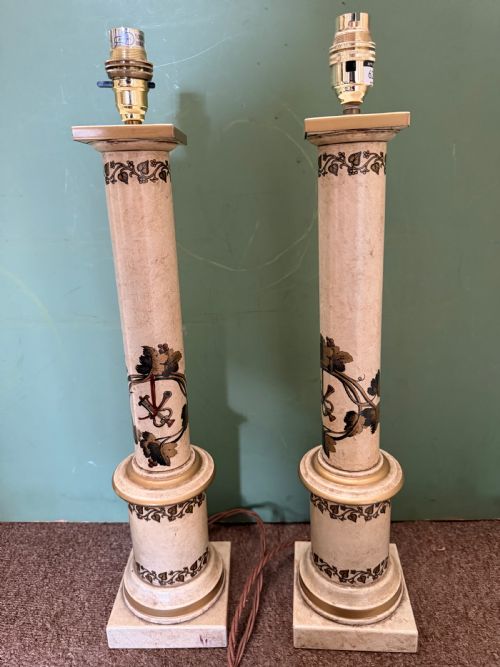
A neoclassical painted column is a structural or decorative support taking the form of a classical pillar, finished with painted surfaces rather than bare timber or stone. These items appear across the nineteenth and twentieth centuries, taking the shape of freestanding pedestals, plant stands, torcheres, and occasionally table lamps or lighting elements. Makers drew directly upon ancient Greek and Roman architecture to supply domestic interiors with balanced proportions and formal ornament.
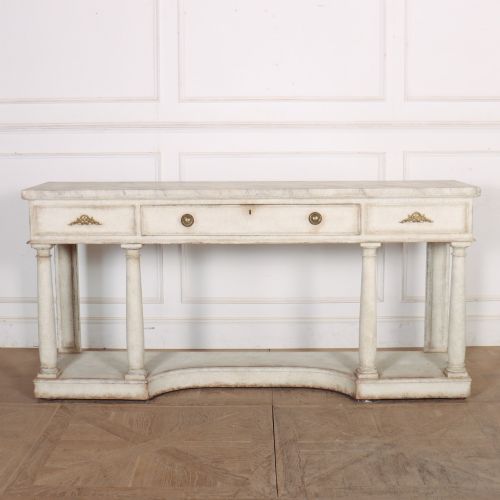
The versions most commonly met on this page span the nineteenth century and early twentieth century, including Swedish, French, and English examples. Many pieces adopt specific revival idioms such as Regency, Louis XVI style, or Gustavian aesthetics, applying decorative paint over wood, pine, or plaster. They function primarily to elevate sculptures, urns, or plants, acting as sculptural accents within a room.
How they were made
Makers constructed these supports principally using wood, pine, plaster, and cast iron, often applying gesso to create crisp architectural mouldings. Skilled hands then coated the structural core in paint, sometimes introducing faux marble effects or parcel gilt highlights to simulate costly Italian stones and precious metals. Brass components occasionally appear in the finer hardware and associated fittings.
Surface preparation required patient priming and smoothing before decorative painters applied successive coats of flat or eggshell paint. Faux finishing demanded specific artistic techniques to replicate natural stone veining or aged patination, sealing the final layer to protect the softer core materials beneath.
Neoclassical Painted Column Retail Price Guide 2026
Typical asking prices for neoclassical painted column among the pieces listed under this phrase on Sellingantiques today, from the lower quarter to the upper quarter. They describe what is for sale here now, not the wider market.
Even Masonic candlesticks occasionally took the form of tall, decorated Corinthian columns.
What varies in quality
The standard of a neoclassical painted column rests upon the precision of its architectural proportions and the finesse of its surface finish. Superior examples display sharply rendered fluting, crisp capital details, and hand-mixed paintwork that convincingly imitates marble or demonstrates subtle ageing. Lesser items rely on simplified turnings and flat, uniform paint coats that lack depth and architectural conviction.
The integrity of the underlying material also dictates longevity and tactile appeal, with solid carved wood and stable plaster outperforming hasty assemblages. Furthermore, the sophistication of the decorative scheme - such as integrated parcel gilding or nuanced tonal variation - distinguishes standard utility pieces from ambitious decorative works.
The Neoclassical Painted Column Glossary
- Neoclassical
- A style spanning the eighteenth and nineteenth centuries that revived the classical forms of ancient Greece and Rome. It emphasises symmetry, straight lines, and architectural orders.
- Parcel Gilt
- A decoration method where selected areas of an object are partially covered in gold leaf. This technique highlights carved details against a painted background.
- Gesso
- A plaster-like mixture applied to wood or canvas as a base for painting and gilding. It allows craftsmen to carve intricate relief ornaments before finishing.
- Torchere
- A tall ornamental stand designed to support a candelabrum or lamp. In this context, it often shares the slender profile of a classical column.
- Gustavian
- The Swedish interpretation of French neoclassical and Louis XVI design, characterised by pale painted finishes and restrained ornamentation.
Neoclassical Painted Column: Frequently Asked Questions
What holds a heavy urn on top?
These columns and pedestals utilise sturdy internal framing made from solid wood, pine, or reinforced plaster to bear substantial weight.
The flat top surface distributes the downward load evenly down the vertical shaft to the stable base below.
How do I clean a painted finish?
Dust the surface regularly with a soft, dry cloth to prevent accumulation within carved fluting and decorative mouldings.
Avoid abrasive cleaners or excess moisture, which can damage aged paint layers and delicate gesso details.
Are these columns structurally load-bearing?
The majority of pieces listed are decorative furnishings designed to support lamps, plants, or art objects rather than architectural loads.
Only items constructed from cast iron or heavy structural timber should be considered for supporting building weight.
How can I identify a Swedish column?
Swedish examples typically feature bright, pale painted surfaces characteristic of Gustavian taste, often executed on pine.
They combine neoclassical proportions with a restrained Scandinavian aesthetic that favours light reflection in domestic spaces.