

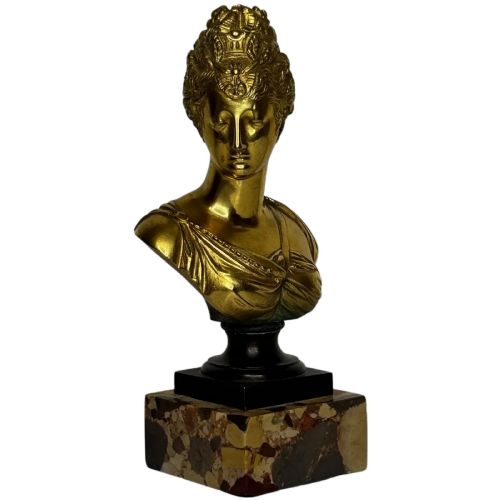
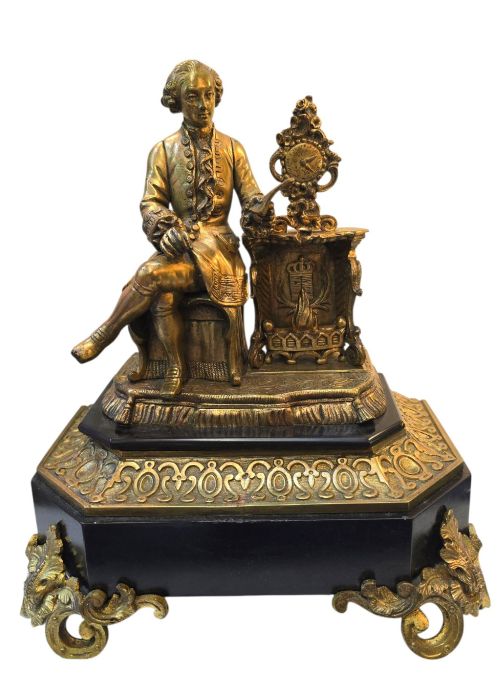
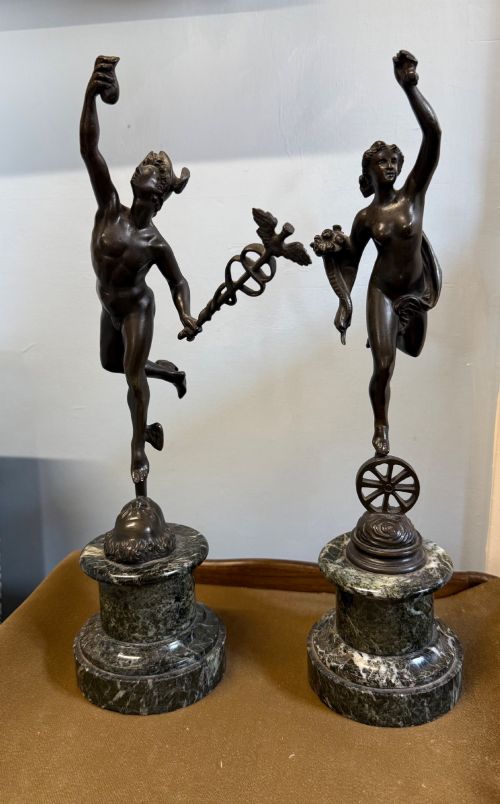
Neoclassical Marble Sculpture
Neoclassical marble sculpture brings classical antiquity into private interiors through carved stone figures, portrait busts, and architectural models from the nineteenth century.
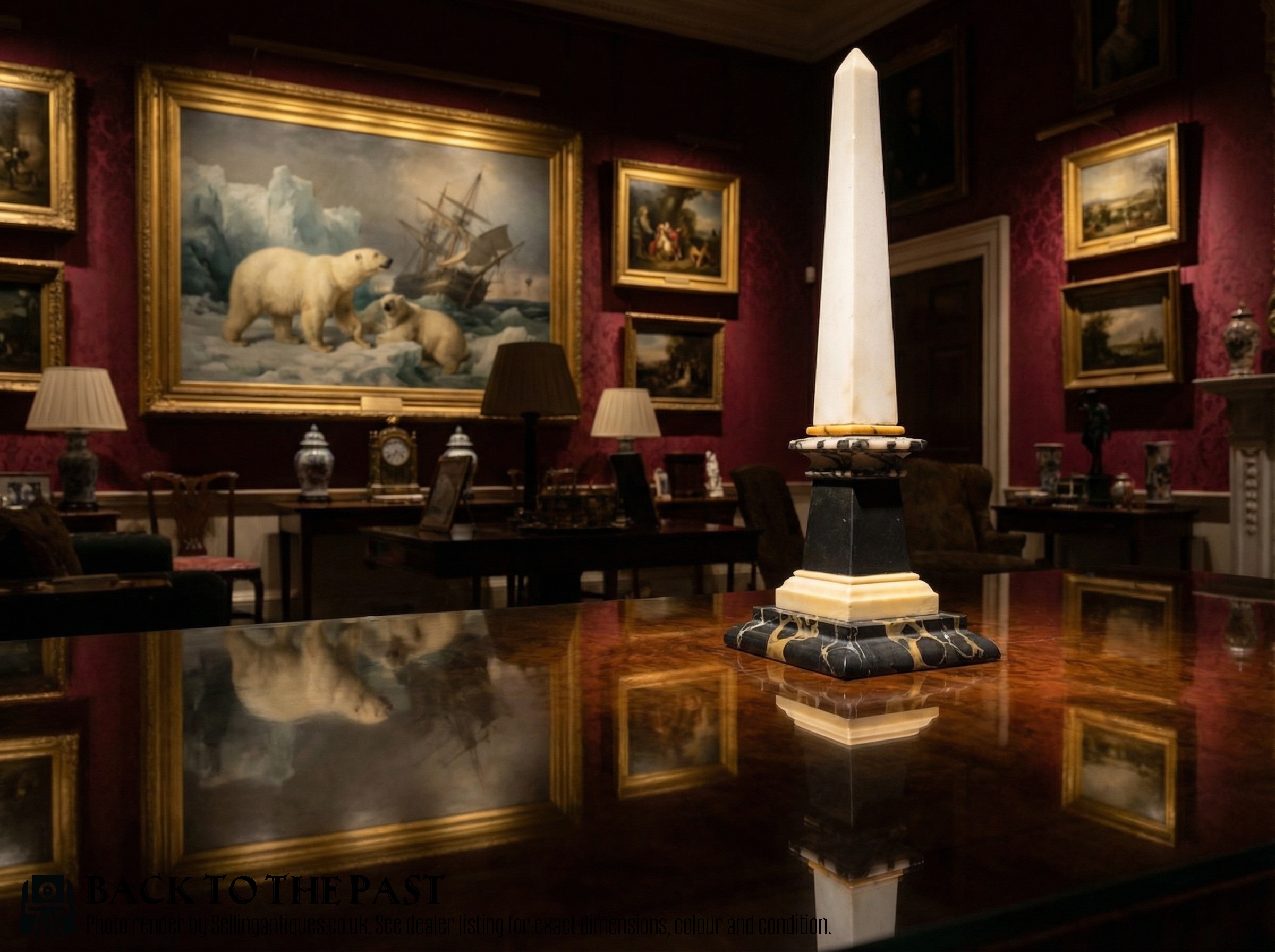
Neoclassical Marble Sculpture
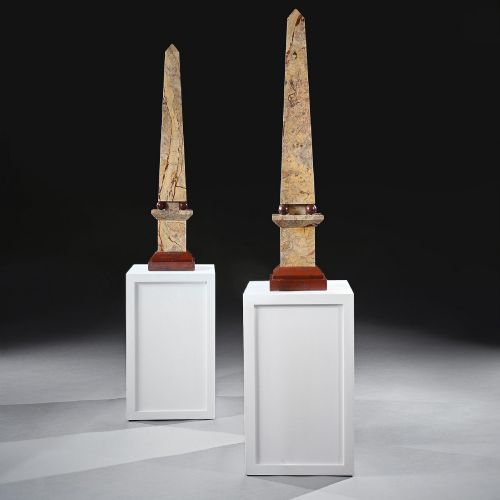
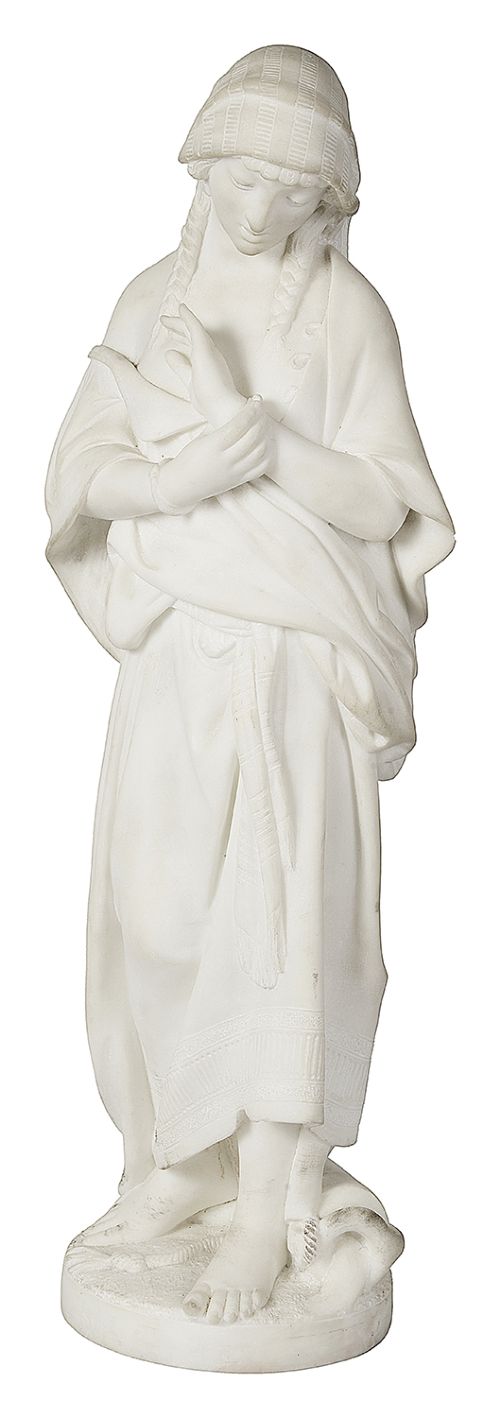
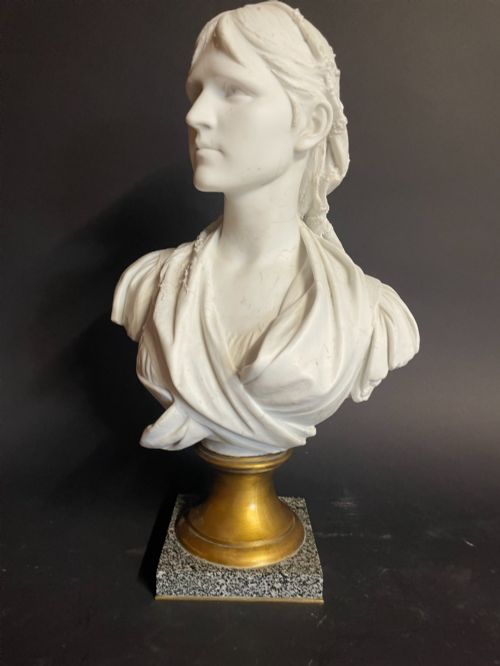
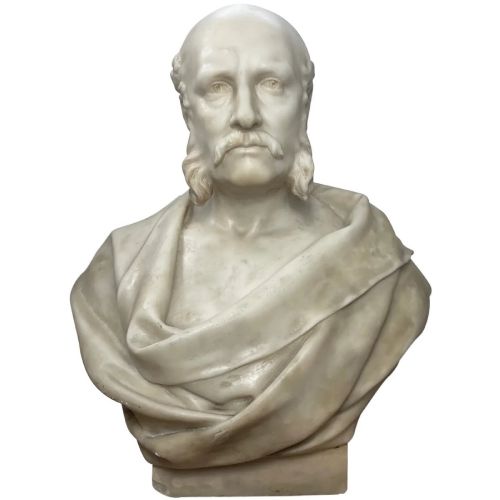
When you examine neoclassical marble sculpture, you encounter carved representations of mythological figures, classical deities, and historical portraits originating primarily from the nineteenth century. The selection ranges from monumental civic portrait busts to miniature architectural models and decorative plaques.
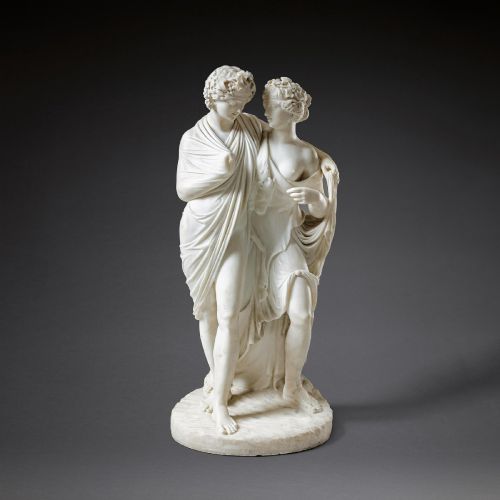
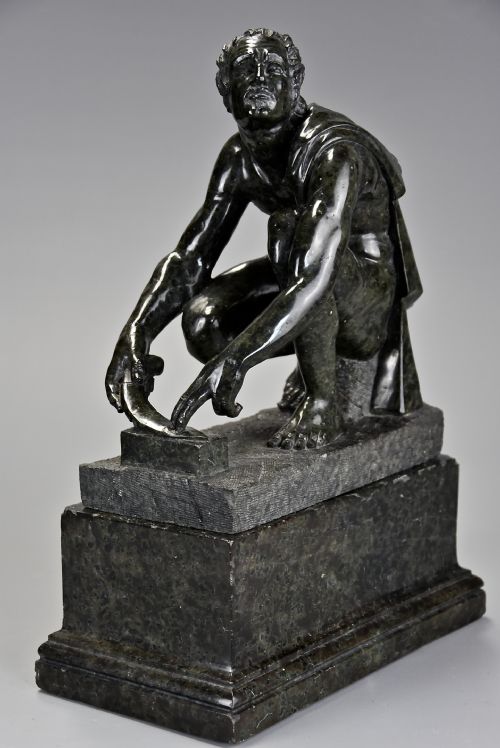
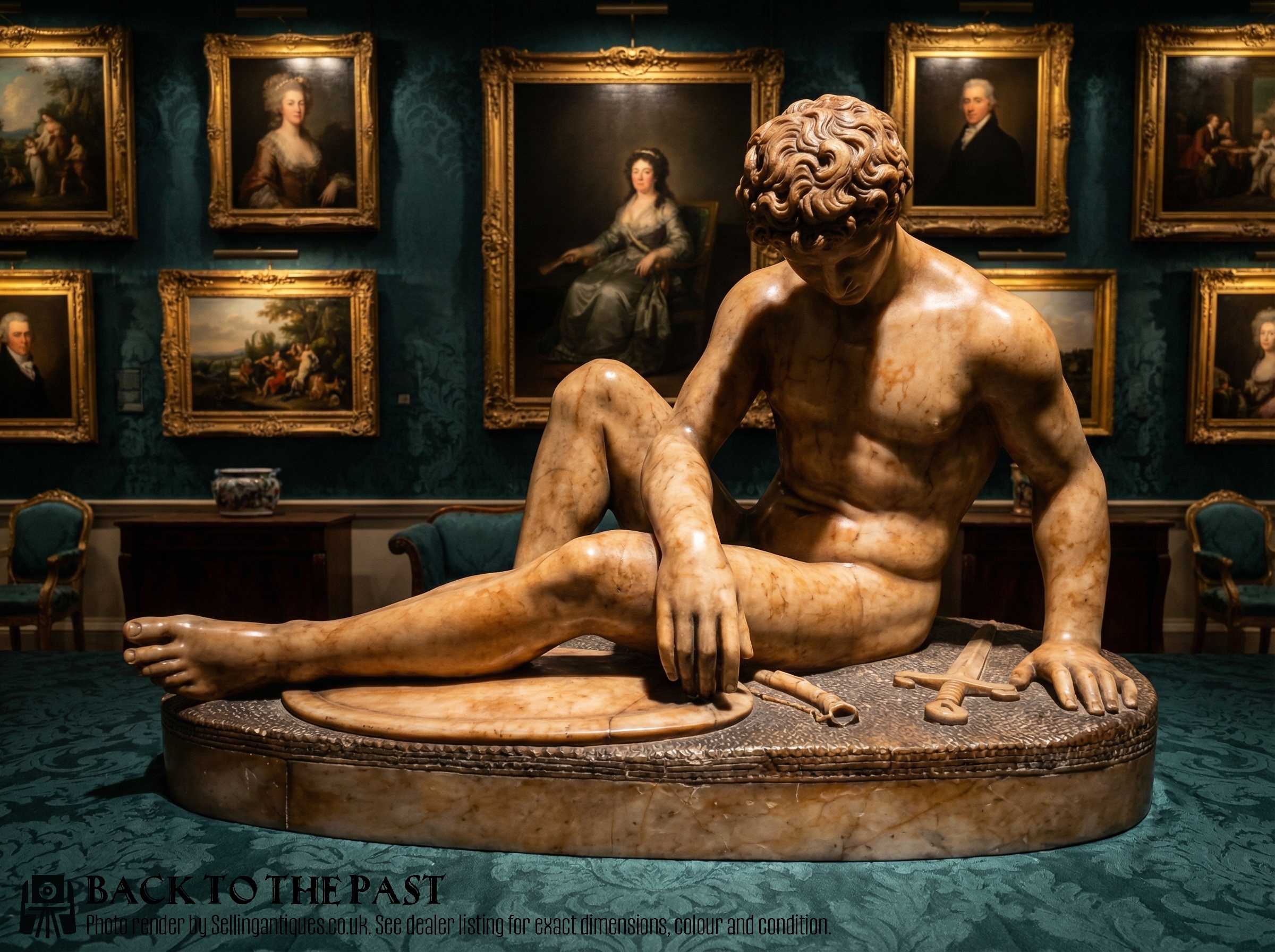
Many items derive from the Grand Tour tradition, created as souvenirs for travellers visiting Italy. These smaller studies reproduce famous statues housed in European museums, translating ancient antiquity into domestic scale using white marble and coloured stones.
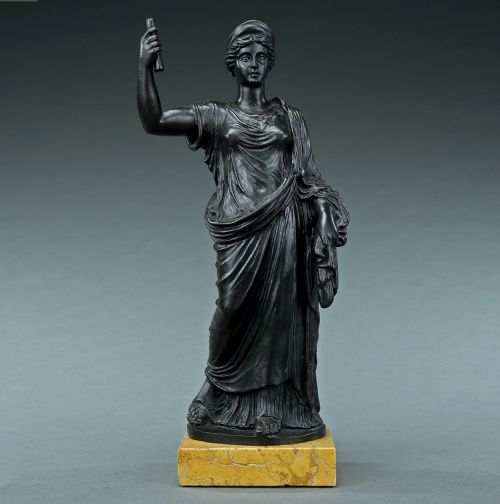
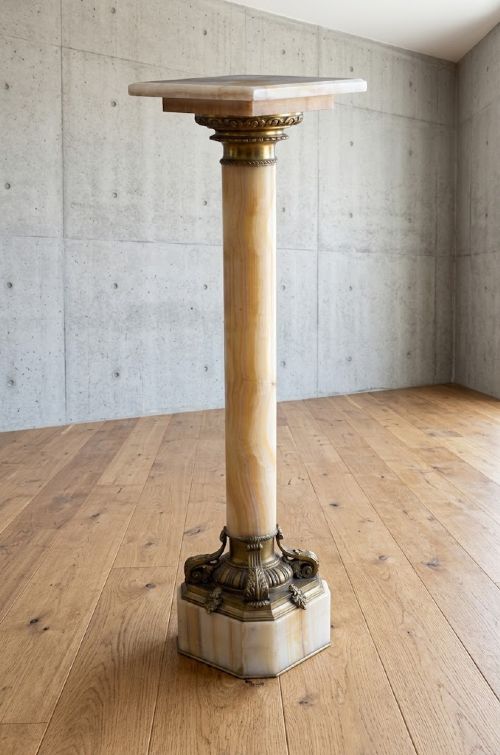
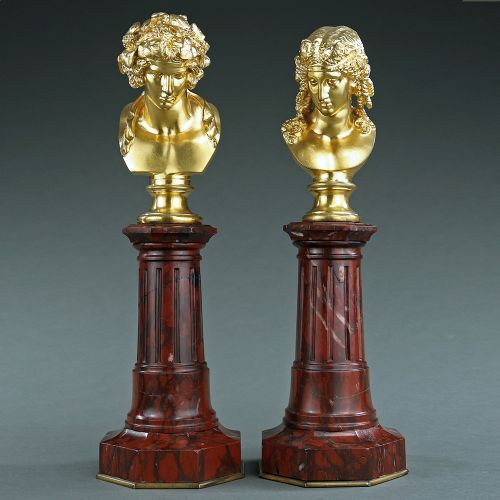
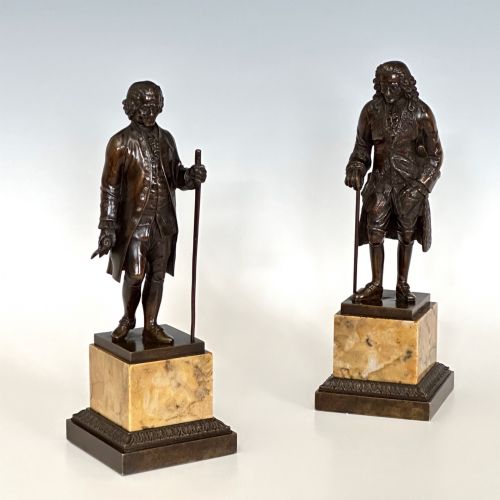
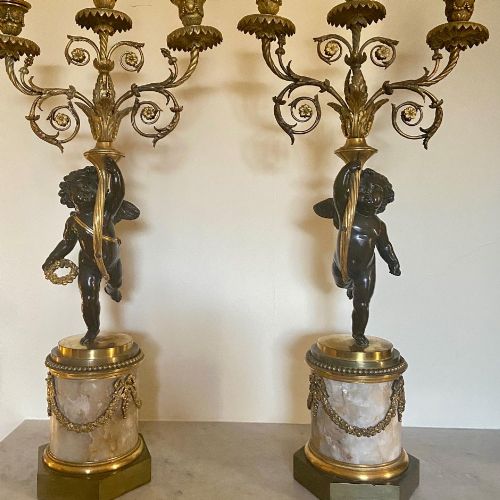
Alongside pure white stone, the forms frequently incorporate contrasting materials such as bronze, ormolu, and various decorative marbles including Siena, Portasanta, and Rosso Antico. Pedestals and columns also appear, designed to elevate the sculptural works within a room.
How they were made
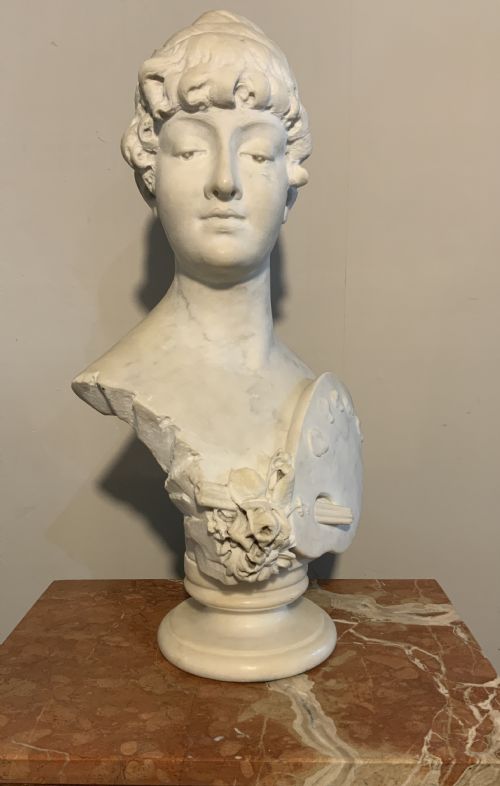
Carvers shaped these neoclassical marble sculpture works by hand using fine chisels and abrasive stone, selecting pristine Carrara marble for figures and dense coloured varieties like serpentine, alabaster, and verdo prato for bases and architectural elements. This subtractive method allowed artisans to achieve smooth flesh tones and intricate drapery folds.
Foundries produced the metallic components through the lost-wax casting method in bronze and brass, frequently finishing the surfaces with patination or fire-gilding to create ormolu. Workers then mounted these metal figures, collars, and attributes directly onto stone plinths.
Neoclassical Marble Sculpture Retail Price Guide 2026
Typical asking prices for neoclassical marble sculpture among the pieces listed under this phrase on Sellingantiques today, from the lower quarter to the upper quarter. They describe what is for sale here now, not the wider market.
Listings feature nineteenth-century materials including Carrara marble, Siena marble, bronze, alabaster, and ormolu.
What varies in quality
The selection of the marble itself dictates the visual weight of the piece, with flawless white Carrara commanding attention alongside richly figured decorative stones like Bardiglio and onyx. Master carvers utilised the natural veining of coloured marbles to enhance the depth of architectural elements and animal figures.

Carlo Albacini·Francois Redmond·Eugene Aizelin·Benedetto Boschetti·Carrier-Belleuse
The Neoclassical Marble Sculpture Glossary
- Grand Tour
- A traditional trip through Europe undertaken by upper-class young men in the eighteenth and nineteenth centuries to study classical art and architecture.
- Carrara marble
- A type of white or blue-grey marble quarried in the city of Carrara in Tuscany, widely favoured by sculptors for its fine and uniform grain.
- Ormolu
- Gilt bronze, where a finely ground gold-mercury amalgam is applied to a bronze object and heated to drive off the mercury.
- Rosso Antico
- A deep red antique marble utilised by sculptors and lapidaries for architectural details and decorative objects.
- Tazza
- An ornate shallow cup or vase set on a stem and foot, frequently carved from decorative stone during the nineteenth century.
Neoclassical Marble Sculpture: Frequently Asked Questions
What is a Grand Tour sculpture?
Grand Tour sculptures are nineteenth-century replicas of classical antiquities created in Italy for travellers. They served as scholarly souvenirs of educational journeys across Europe.
These pieces were produced in bronze, marble, and alabaster, ranging from miniature lions and temples to reduced figures of famous statues.
How are different marbles identified?
Marble types are distinguished by their background colour and internal veining patterns. Carrara provides a bright white surface, whilst Siena offers a warm yellow tone.
Stones like Portasanta and Rosso Antico introduce heavy red and multi-coloured inclusions that indicate specific Italian quarries.
Where were these sculptures displayed?
Nineteenth-century collectors placed these figures on libraries, mantelpieces, and dedicated pedestals within domestic interiors. They signaled classical learning and cultural refinement.
Matching columns and plinths were frequently utilised to elevate busts and tazzas to optimal viewing height.
How do I care for marble sculpture?
Marble requires gentle dusting with a dry microfibre cloth to prevent surface abrasion. Moisture and chemical cleaners must be avoided to protect the porous stone.
Bronze and ormolu mounts should also remain dry, as commercial polishes can damage historical patination.