
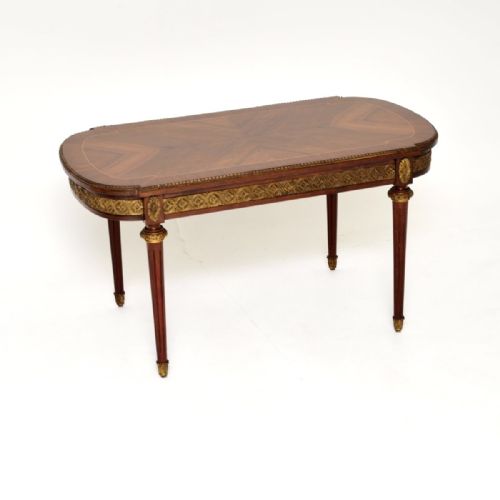


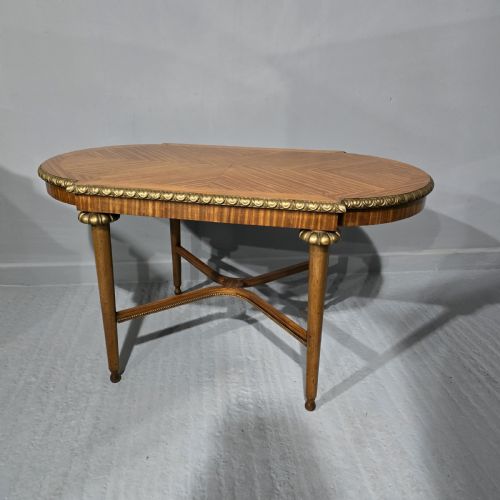

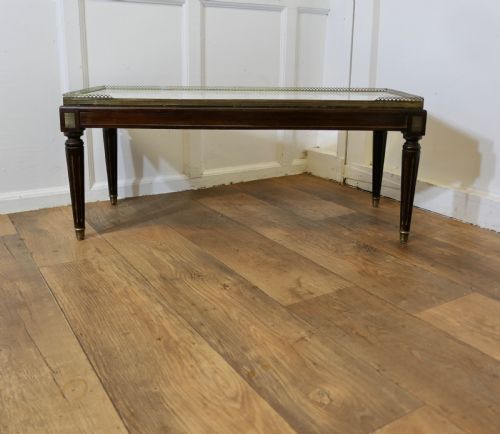
Neoclassical Low Table
These neoclassical low table pieces bring classical symmetry and refined proportions into modern rooms.
Neoclassical Low Table
A neoclassical low table combines classical architectural motifs with low proportions suitable for modern seating. When you search for a neoclassical low table, you meet coffee tables and side tables shaped by French, Italian, and Swedish traditions.
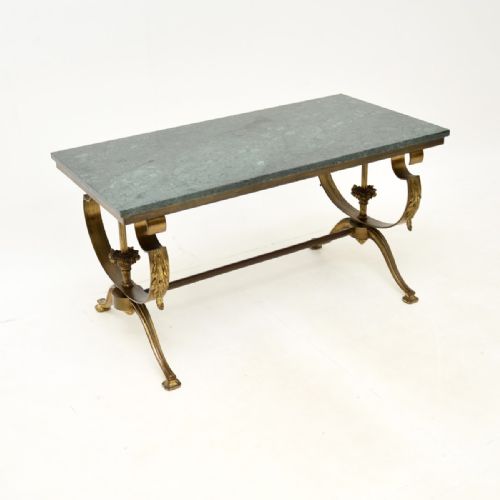
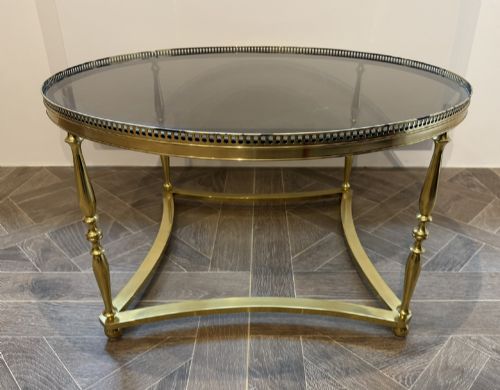
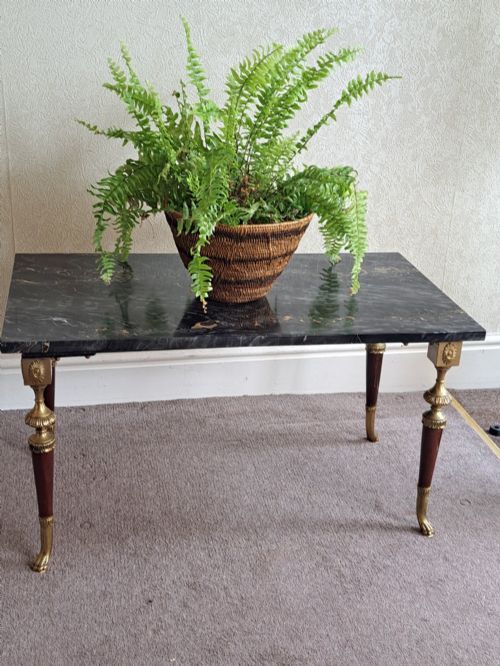
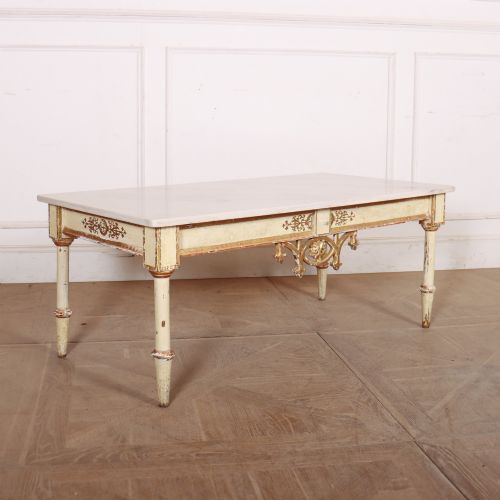
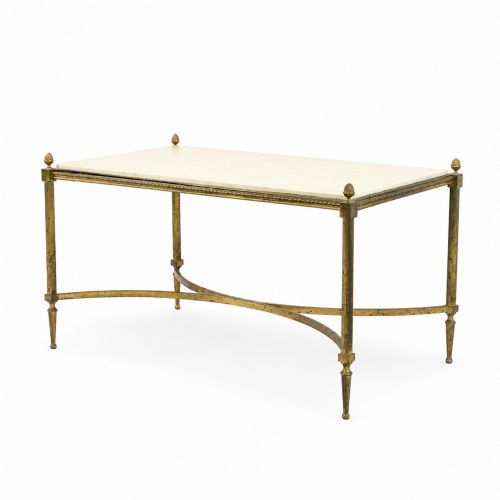
The pieces appearing on this page span the nineteenth century through the mid twentieth century, drawing heavily on Louis XVI, Empire, and Biedermeier styles. Most examples function as coffee tables with inset marble surfaces or timber tops.
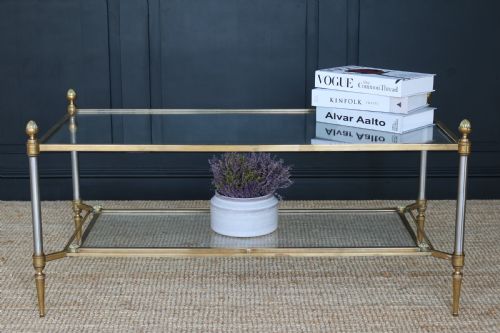
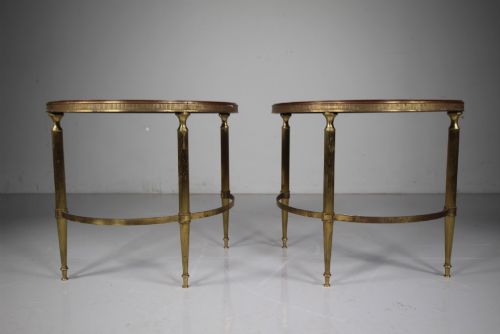
Makers such as Maison Jansen and Maison Ramsay represent the higher end of these low forms, utilising brass, giltwood, and fine veneers. French workshops dominate the selection, often pairing patinated bronze with polished stone.
How they were made
Constructed from walnut, mahogany, satinwood, and ebonised timber, these tables rely on traditional cabinetmaking joinery. Surfaces receive intricate inlays, burr elm veneers, or hand-painted decoration.
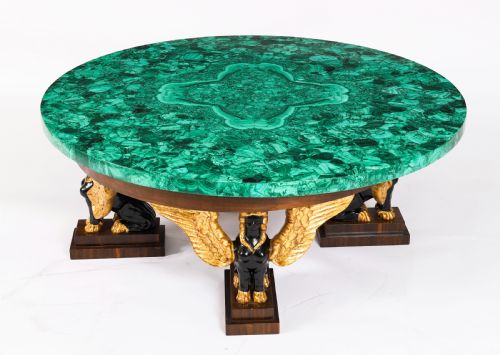
Metalwork forms a defining characteristic, with cast brass and ormolu mounts securing marble slabs or accentuating structural frames. Giltwood and patinated bronze details are applied by hand to enhance the classical motifs.
The documented periods span from eighteen-fifty through nineteen-sixty and beyond, capturing multiple revival movements.
What varies in quality
The distinction between standard production and exceptional work rests on the weight of the bronze mounts and the thickness of the marble tops. Finer examples display crisper cast detail in the brass foliage and more deliberate selection of burr veneers.
Attribution to documented Parisian ateliers elevates an object, as seen in pieces by Maison Jansen or Maison Ramsay. Construction integrity in the frame joints and the quality of the original gilding separate ordinary revivals from superior pieces.
Maison Jansen·Maison Ramsay·Gillows
The Neoclassical Low Table Glossary
- Ormolu
- Gilded bronze mounts applied to furniture. This technique was widely utilised in French cabinetmaking to highlight structural corners and friezes.
- Demi lune
- Half-moon shape. Tables of this profile sit flush against walls or serve as compact side units.
- Biedermeier
- Central European style from the nineteenth century. It prioritises utilitarian comfort and clean lines over heavy ornamentation.
- Malachite
- A green copper carbonate mineral used as a decorative veneer. It appears on luxury surfaces to provide striking colour contrast.
Neoclassical Low Table: Frequently Asked Questions
What is a neoclassical low table?
A neoclassical low table is a surface adapted for modern use that incorporates classical design elements like fluted legs, bronze mounts, and marble tops.
These pieces typically date from the nineteenth and twentieth centuries, drawing inspiration from French and Swedish decorative traditions.
How do I identify Louis XVI style?
Louis XVI style tables feature straight tapered legs, often fluted like classical columns, alongside rectangular or circular marble tops.
Look for restrained geometric symmetry and delicate ormolu mounts rather than the exuberant curves found in earlier rococo pieces.
Where were these tables made?
Many of these tables originate from Parisian workshops and French provincial makers working in revival styles throughout the nineteenth and twentieth centuries.
Other examples stem from Italian workshops, Swedish Biedermeier traditions, and British cabinetmakers.
How do I care for marble tops?
Marble tops require gentle cleaning with a damp cloth and mild neutral soap to preserve the polished stone surface.
Avoid acidic liquids and harsh chemical cleaners which can etch the calcium carbonate in the marble.