






Neoclassical King Bed
A neoclassical king bed brings classical symmetry and rich wood or painted finishes straight into a modern bedroom.
Neoclassical King Bed
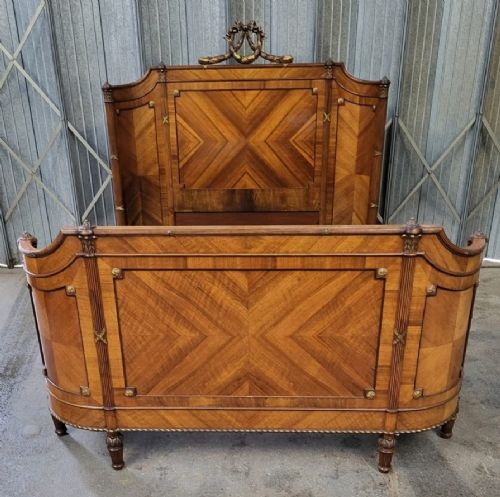
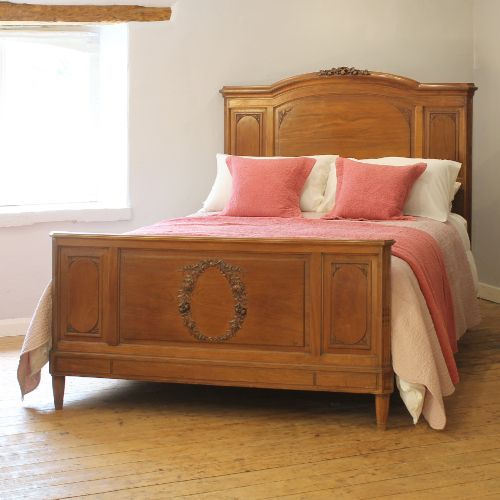
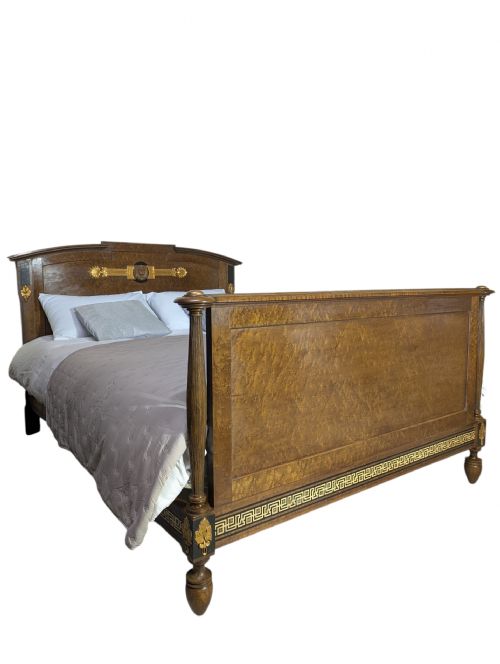
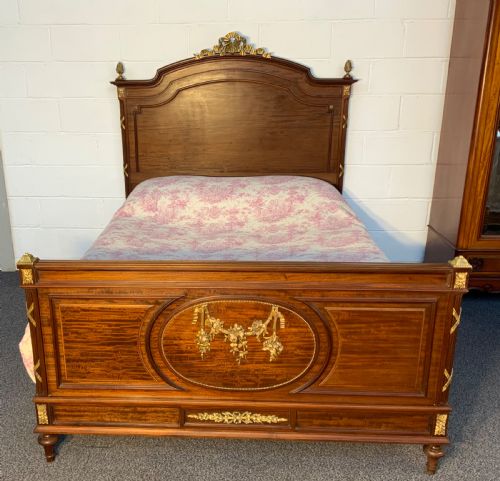
When you search for a neoclassical king bed, you encounter large wooden frameworks rooted in classical architectural forms and continental design. The pieces available range from straightforward timber constructions to heavily ornamented French and Italian models.
You are most likely to meet French Neoclassical, Louis XVI, and French Empire styles on this page, alongside simpler Edwardian and late Victorian interpretations dating from the decades around nineteen hundred. These beds utilise standard large proportions, accommodating modern king size mattresses within antique frames.
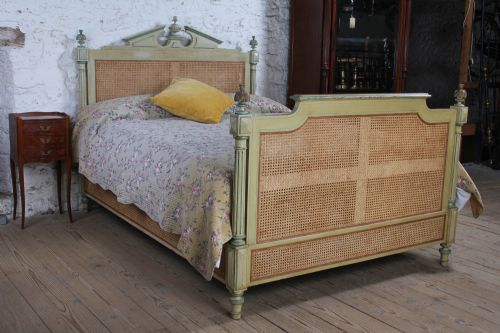
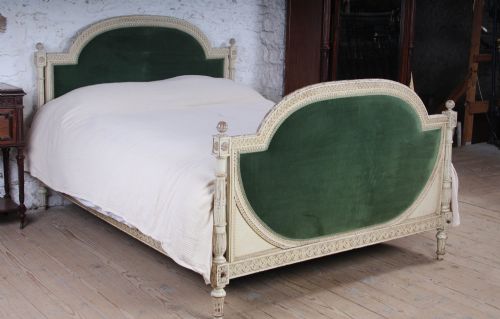
The forms span straightforward carved mahogany and walnut bedsteads to gilded and painted timber versions featuring distinctive headboards and footboards. Dating ranges primarily from the late nineteenth century back to earlier nineteenth and eighteenth century examples.
How they were made
Cabinetmakers constructed these frames using solid hardwoods including mahogany, walnut, and oak, often applying painted finishes or gilding to the timber surfaces. Ormolu mounts and brass detailing provide metallic contrast against the dark or painted wood.
Carving serves as the primary decorative technique, shaping floral motifs, classical ribbons, and fluted columns directly into the timber. Caning appears on select panels, while modern upholstery methods are frequently applied to revive the large headboards.
Neoclassical King Bed Retail Price Guide 2026
Typical asking prices for neoclassical king bed among the pieces listed under this phrase on Sellingantiques today, from the lower quarter to the upper quarter. They describe what is for sale here now, not the wider market.
One marriage bed dates all the way back to eighteen hundred, proving that people have appreciated generous sleeping arrangements for centuries.
What varies in quality
The standard of the timber carving sets the baseline for quality, distinguishing crisp, deep handwork from softer, shallower detail. The choice of primary material also dictates the character, with dense cuts of mahogany and walnut commanding attention over softer painted timber.
Metalwork integration contributes significantly to the overall execution, where heavy cast brass or ormolu mounts fit flush against the wood. Original gilding and well-preserved cane panels indicate a higher tier of workshop production.
The Neoclassical King Bed Glossary
- Ormolu
- Gilded bronze applied as decorative mounts to furniture. This technique creates a bright metallic accent against dark wood.
- Giltwood
- Timber coated with a thin layer of gold leaf. It defines ornate headboards and carved details.
- Caning
- Woven rattan material used for panel inserts in headboards and footboards. This technique adds lightness to large wooden frames.
- Louis XVI
- A classical revival style characterised by straight lines and symmetry. It draws inspiration from ancient Greek and Roman design.
Neoclassical King Bed: Frequently Asked Questions
Will a modern king mattress fit?
Many antique frames require minor interior adjustments or custom slats to accommodate standard modern king dimensions securely.
Check the internal rail lengths carefully before purchasing to ensure proper support for your specific mattress.
How do I care for painted wood?
Dust surfaces regularly with a soft, dry cloth and avoid harsh chemical cleaners that might strip the historic finish.
Keep the bed away from direct sunlight and strong heat sources to prevent the painted timber from cracking.
Are these beds easy to assemble?
Most examples utilise traditional bolt-in side rails that require basic spanners or screwdrivers for straightforward construction.
Enlisting two people is recommended given the substantial weight of solid mahogany or walnut headboards.
How do I identify French Empire style?
French Empire pieces typically feature heavier proportions, military motifs, and dark mahogany surfaces with prominent brass mounts.
This aesthetic reflects nineteenth-century neoclassical ideals influenced by Napoleonic design preferences.