
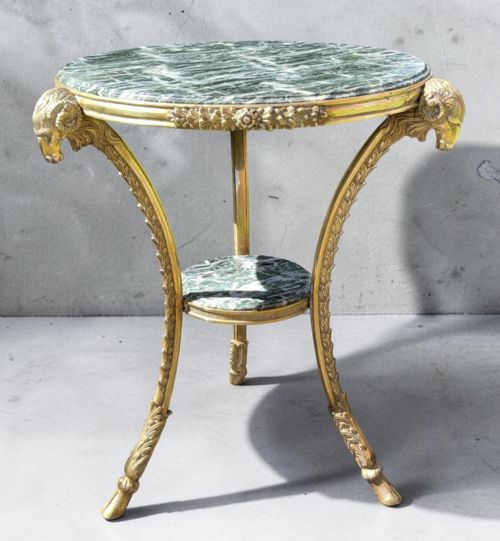


Neoclassical Gueridon Table
A neoclassical gueridon table brings classical symmetry and striking mounts to a room, offering a compact surface rooted in centuries of continental design.
Neoclassical Gueridon Table
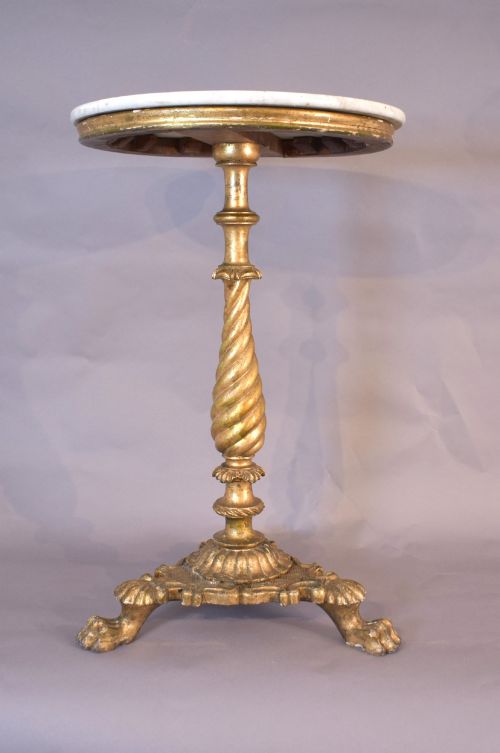
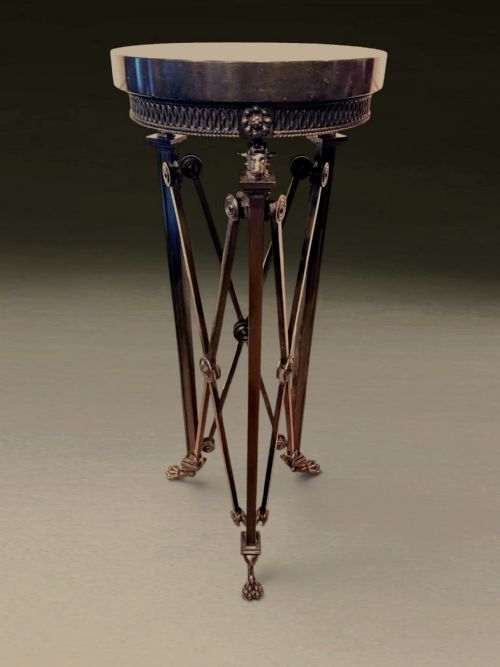
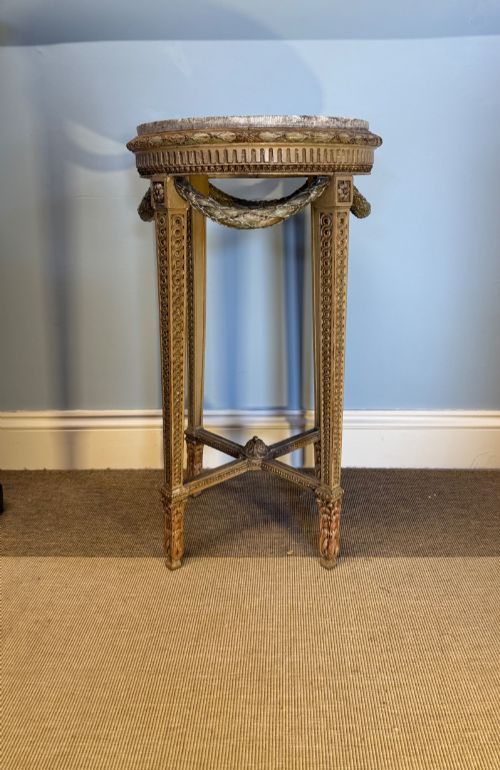
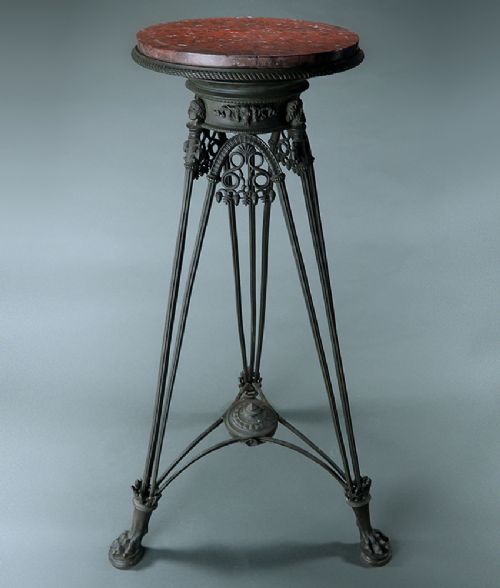
A neoclassical gueridon table stands as a circular or occasional piece, frequently drawn from nineteenth-century French Empire or Louis XVI traditions. These tables appear in forms ranging from tripod supports to heavy centre tables with marble tops.
Materials and construction methods
Construction relies heavily on mahogany, ebonised wood, and burr elm as carcase materials, paired with inset slabs of marble, onyx, or porphyry. Timber frames provide the structural strength needed to support heavy stone tops.
Decorative impact comes from cast brass, ormolu, bronze, and giltwood ornaments applied to the woodwork. Mounts are meticulously chased and secured to accentuate the classical vocabulary of the piece.
Listings feature 19th Century, Regency, and early 20th Century periods alongside materials such as mahogany, marble, bronze, and giltwood.
Distinguishing levels of craftsmanship
The distinction between ordinary and exceptional work rests on the crispness of the bronze or brass mounts and the selection of the timber. Finely chased ormolu details and richly figured mahogany elevate a piece far above standard production.
Integration of the stone top also dictates standard; a tightly fitted marble or porphyry slab that sits flush within the wooden gallery demonstrates superior cabinet-making compared to looser assemblies.
Henry Dasson·Weisweiler
The Neoclassical Gueridon Table Glossary
- Gueridon
- A small circular table on a central pillar or tripod base, originating in seventeenth-century France. These pieces serve primarily as occasional or side tables.
- Ormolu
- Gilded bronze used for decorative mounts on furniture, highly prized for its rich golden lustre. It requires careful cleaning to preserve the original surface.
- Porphyry
- An igneous rock with large crystals, used historically for luxurious tabletops. Its striking purple and red tones denote high status.
- Tripod
- A support structure utilising three legs or feet, commonly seen on nineteenth-century stands. This configuration provides stability on uneven floors.
Neoclassical Gueridon Table: Frequently Asked Questions
What is a neoclassical gueridon table?
A neoclassical gueridon table is a round occasional table influenced by ancient Greek and Roman design, typically featuring a central column or tripod base.
These pieces emerged strongly during periods like the French Empire and Louis XVI revivals, bringing formal symmetry into domestic interiors.
Where should I place this table?
These compact tables suit entryways, drawing rooms, or corners as display surfaces for lamps, books, or decorative objects.
Their circular footprint allows them to fit easily beside seating arrangements without obstructing room flow.
How do I care for the marble top?
Marble tops require gentle cleaning with a damp cloth and mild, pH-neutral soap to avoid etching the polished surface. Acidic liquids like wine or citrus should be wiped away immediately to prevent permanent stains.
How can I identify a nineteenth-century piece?
Nineteenth-century examples often display authentic patination on the timber alongside hand-chased bronze or brass mounts. Construction techniques, such as traditional joinery and older screw types, help confirm the period.
Stylistic cues like rams' heads, swans, and classical columns further point towards Empire and Regency revivals.