
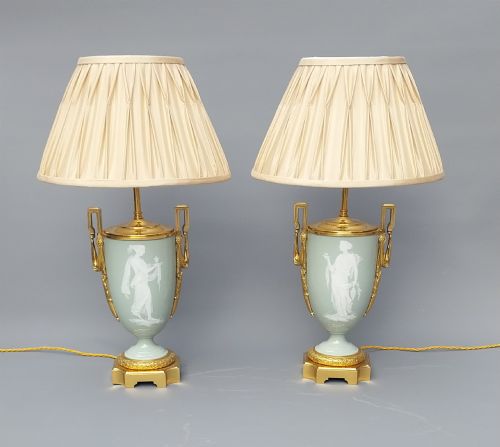
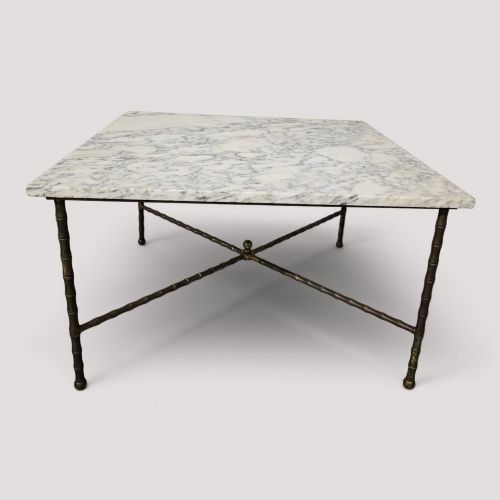
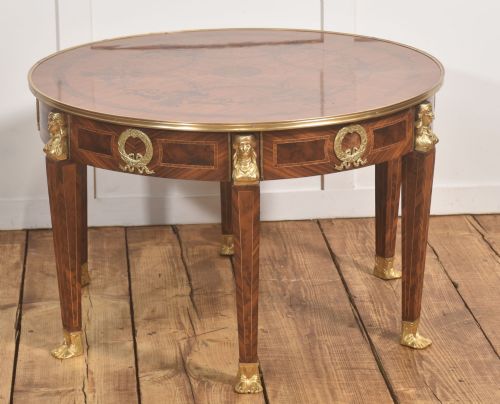
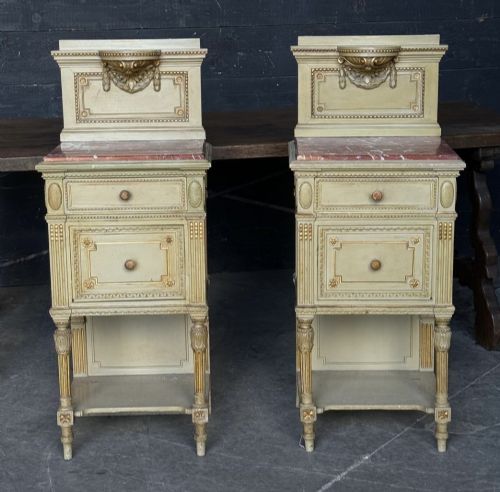

Neoclassical Gilt Table
These pieces bring classical order and bright surfaces into a room, turning practical furniture into focal points.
Neoclassical Gilt Table
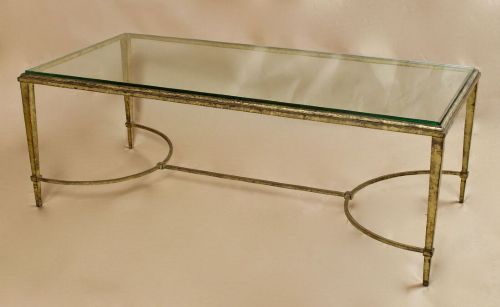
A neoclassical gilt table combines architectural structure with gilded ornament, drawing on classical Greek and Roman motifs. These objects range from heavy console tables intended for hallways to smaller occasional pieces placed in salons.
Italian and French makers dominate the selection, producing works in styles that stretch from Louis XVI to Regency and Empire. Console tables with marble tops appear frequently alongside smaller tripod and bouillotte designs.
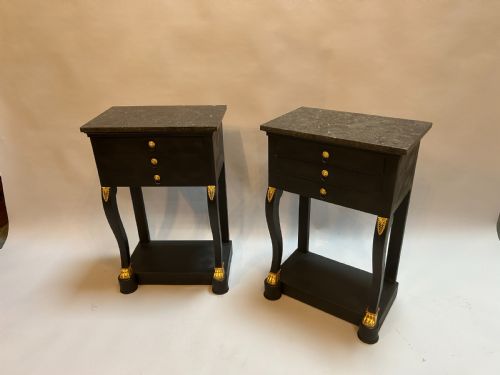
The materials span carved wood finished in gold alongside gilt bronze mounts. Many items integrate stone, pairing white or black marble surfaces with gilded frames.
Materials and construction
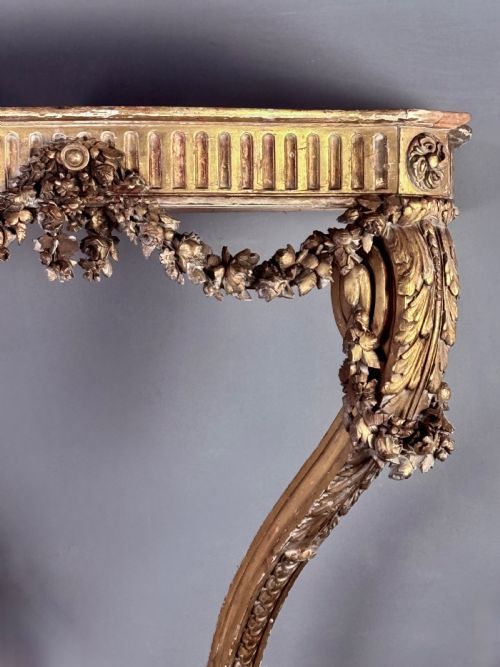
Giltwood elements involve carving timbers such as pine before applying thin layers of gold leaf over a prepared gesso ground. Ormolu and gilt bronze components require casting metals with precise detail, followed by mercury gilding or modern electroplating.
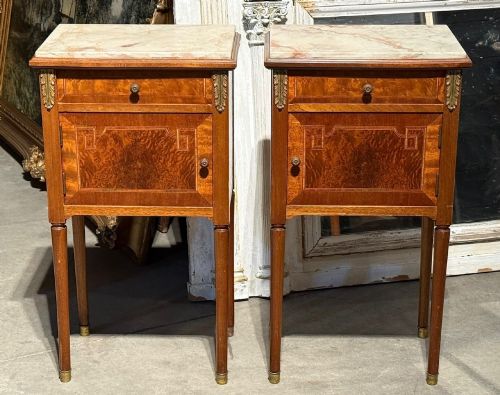
Marble tops, often seen in white, black, or green onyx variants, demand heavy sawing and polishing to create smooth, cool surfaces that contrast with the warm metallic finish of the frames.
The listings span the eighteenth, nineteenth, and twentieth centuries, incorporating Victorian revivals and Regency designs.
Distinctions in quality
Depth and precision of carving separate ordinary output from finer works. Hand-chased ormolu mounts show crisp leaf work and sharp drapery, whereas lesser examples rely on soft, shallow casting.
The integrity of the gilded surface matters significantly. Superior pieces retain original water gilding that catches the light cleanly, while lesser ones display heavy modern paint or patchy leaf application.
Charles à Orléans·François Linke·Reiche·Dugourc
The Neoclassical Gilt Table Glossary
- Giltwood
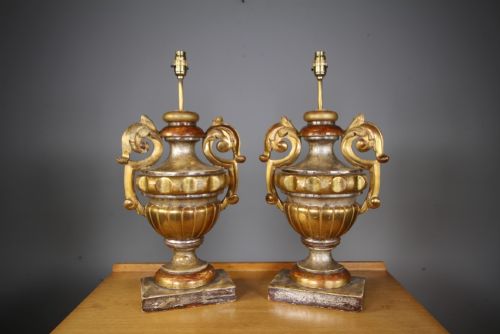
- Timber coated with gold leaf. This technique creates a rich decorative surface on console frames and mirror borders.
- Ormolu
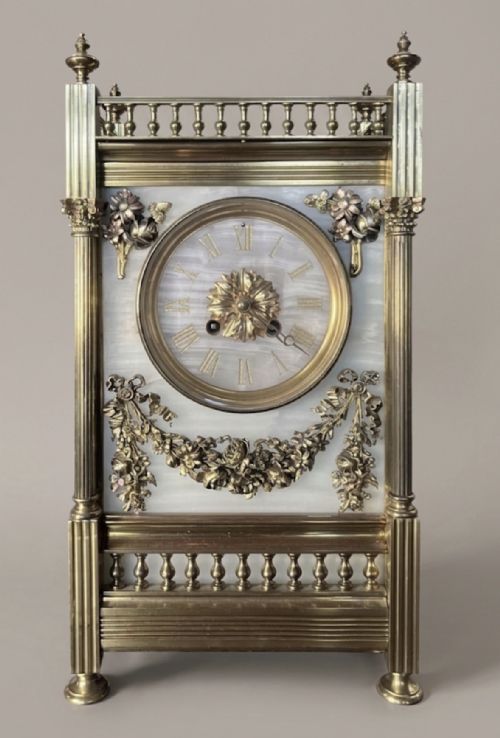
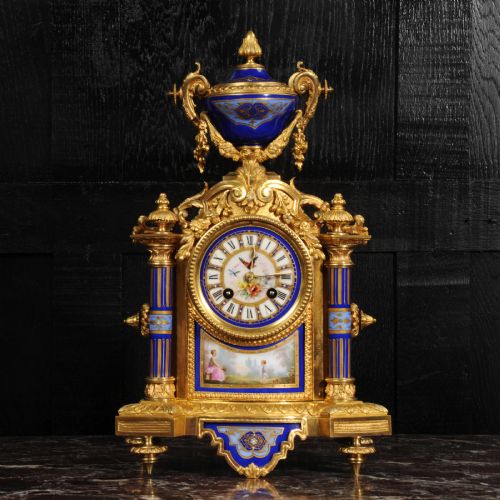
- Finely chased gilt bronze. Makers utilised this alloy for decorative mounts, clock cases, and table details.
- Console table
- A wall-mounted or freestanding table designed for display. These pieces usually feature decorative legs and marble tops.
- Bouillotte table
- A small circular occasional table with a raised edge. They typically incorporate marble tops and candle arms.
- Gesso
- A plaster-based mixture applied to wood. Artisans use it as a smooth base before laying gold leaf.
Neoclassical Gilt Table: Frequently Asked Questions
How do I style a console table?
Place a console against a prominent wall in a hallway or reception room to anchor the space. Pair it with a mirror or large artwork directly above to balance the architectural lines.
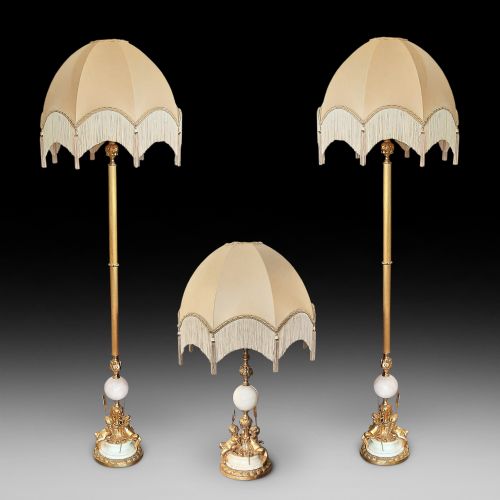
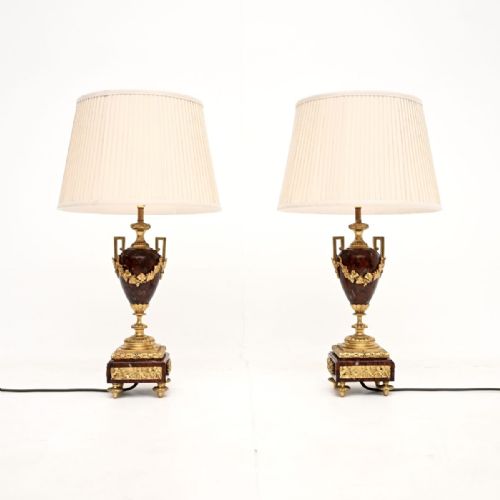
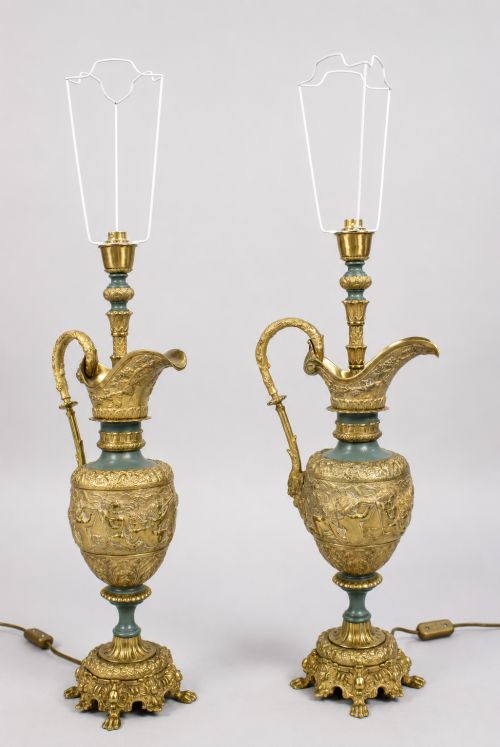
Keep the surface uncluttered by using symmetry, perhaps placing matching lamps or candelabra at either end with a single central object between them.
What rooms suit these tables?
Drawing rooms and formal dining spaces accommodate these gilded pieces naturally. They also fit well in spacious bedrooms or grand entrance halls.
Position them where natural light can catch the metallic surfaces, enhancing the reflective quality of the gold leaf and ormolu mounts.
How do I identify French styles?
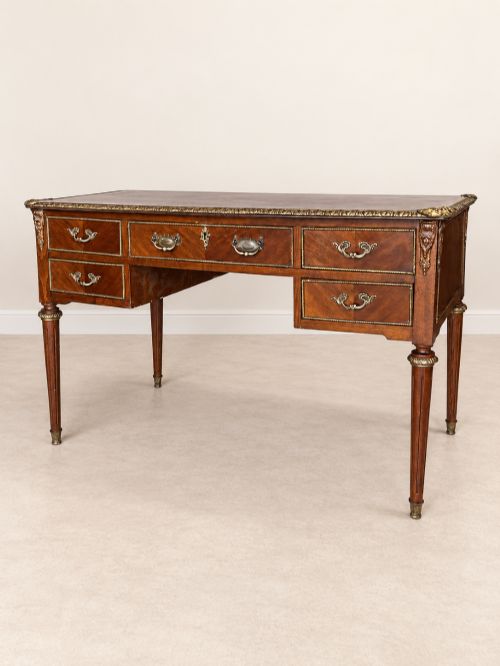
Look for straight tapered legs, fluting, and classical urn motifs which typify the Louis XVI aesthetic. Empire designs tend to feature heavier mahogany structures with bold bronze mounts representing military or mythological themes.
Check the overall silhouette for structural restraint, as neoclassical forms favour geometric balance over excessive curves.