



Neoclassical Female Portrait
A neoclassical female portrait brings the poised grace of antiquity and the eighteenth century directly into a room.
Neoclassical Female Portrait
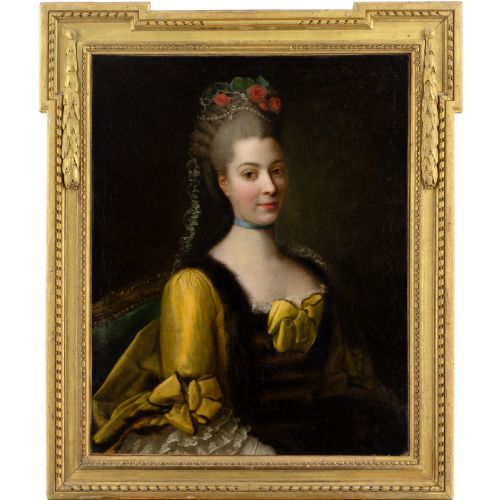
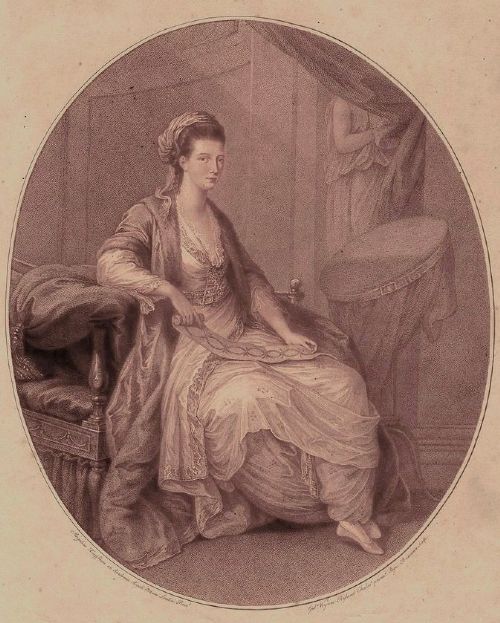
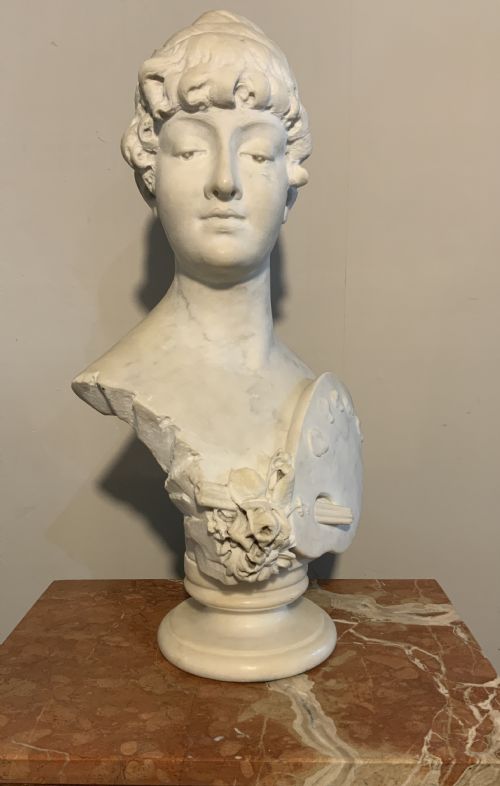
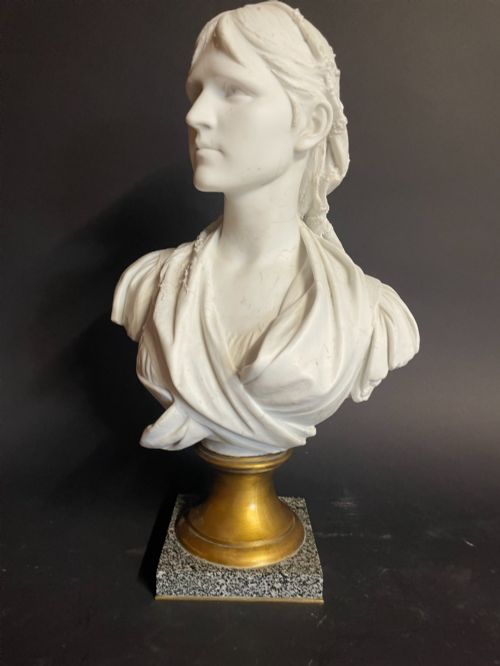
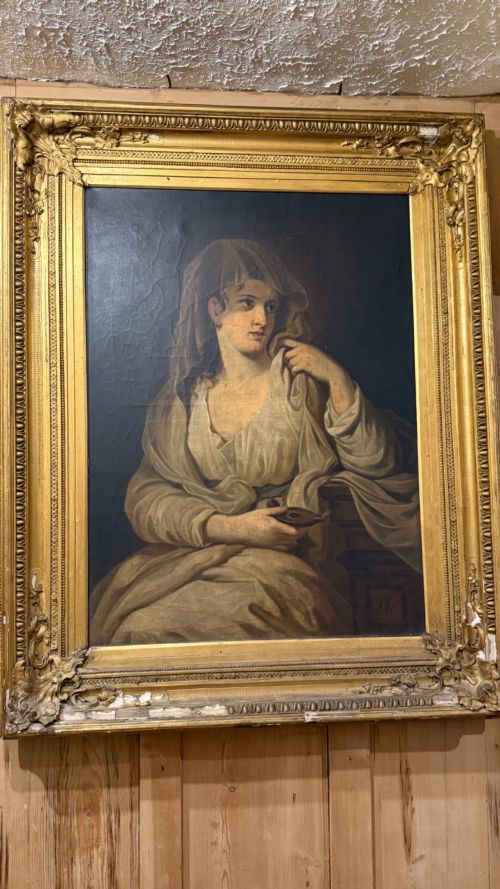
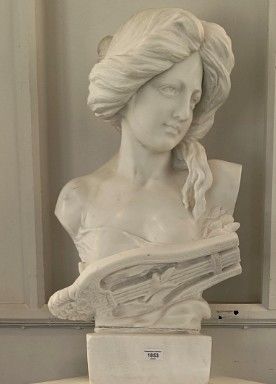
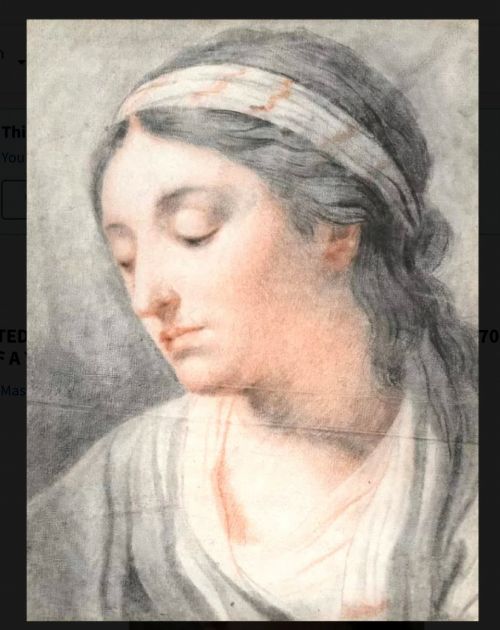
A neoclassical female portrait captures the calm dignity of classical heroines, muses, and historical figures in sculpture and painting. These works span the eighteenth and nineteenth centuries, taking the form of marble and terracotta busts, oil paintings, engravings, and portrait miniatures.
The versions most commonly found here include nineteenth-century marble busts after antique models, alongside eighteenth-century French and English oil paintings depicting elegant women in classical dress. Subjects range from mythological figures like Diana and the muse Erato to society ladies and queens.
Originating largely from British, French, and Italian schools, these pieces reflect a period deeply fascinated by archaeological discoveries and classical ideals. The selection balances intimate portrait miniatures with substantial carved stone sculptures meant for prominent display.
Materials and technique
Sculptural works rely on the patient carving of Carrara marble and alabaster, or the modelled warmth of terracotta and plaster. Artisans also utilised cast bronze, bronzed terracotta, and pressed white glass paste to achieve varied textures and finishes.
Painted and printed representations depend on oil on canvas, oil on board, and delicate paper engravings or miniature paintings. These mediums capture the soft drapery and gentle lighting characteristic of the style.
Neoclassical Female Portrait Retail Price Guide 2026
Typical asking prices for neoclassical female portrait among the pieces listed under this phrase on Sellingantiques today, from the lower quarter to the upper quarter. They describe what is for sale here now, not the wider market.
Listings feature works spanning from 1750 to 1900, using materials from marble and oil on canvas to alabaster, terracotta, and cast iron.
Judging the work
Quality rests upon the sensitivity of the carving or brushwork, particularly in the rendering of facial expression, hair, and classical drapery. Softer marble work and finely detailed oil portraits demonstrate a surer hand than mass-produced decorative items.
The pedigree of the piece, whether signed by a recognised artist or associated with a specific historical workshop, elevates the standing of the work. Material selection also plays a role, with pure white Carrara marble commanding attention alongside finely aged oils.
François-André Vincent·Guiseppe Mazzolini·Francis Alleyne·Angelica Kauffman
The Neoclassical Female Portrait Glossary
- Neoclassical
- A style reviving the decorative and structural merits of ancient Greece and Rome. It dominates late eighteenth and nineteenth-century visual arts.
- Bust
- A sculpted or cast representation of a person from the chest up. This form allows sculptors to focus entirely on facial expression and shoulder draping.
- Terracotta
- Fired clay used extensively for sculptural models and finished figures. Its warm reddish-brown hue offers an intimate alternative to white marble.
- Portrait Miniature
- A small, highly detailed painting on paper, vellum, or card. These portable artworks were often framed for intimate domestic viewing.
- Alabaster
- A fine-grained, translucent stone favoured for delicate carvings. It absorbs light differently than marble, giving sculptures a soft glow.
Neoclassical Female Portrait: Frequently Asked Questions
How were marble busts displayed originally?
Marble busts were typically placed on tall pedestals, console tables, or library bookcases in prominent rooms of a grand house. They served as focal points that signalled the owner's classical learning and refined taste.
Today, they function well on sturdy sideboards or dedicated plinths where light can catch the carved contours of the stone.
What subjects do these portraits show?
The subjects range from mythological figures and muses to specific historical queens and society ladies of the eighteenth and nineteenth centuries. Many pieces also depict idealized classical women modelled after antique sculpture.
Identifying the subject often relies on inscriptions, historical dress, or recognizable attributes such as a bandeau or classical drapery.
How do I care for antique marble?
Antique marble requires gentle dusting with a soft, dry cloth to prevent dirt from settling into the porous surface. Avoid using harsh chemical cleaners, oils, or excessive water, which can damage the stone.
Stable indoor temperatures and protection from direct sunlight will keep both the stone and its finish secure over time.
Are portrait miniatures paintings or prints?
Portrait miniatures in this category are hand-painted works executed on small surfaces like paper or vellum. They differ from printed engravings by showing individual brushstrokes and layered pigments upon close inspection.
Protected behind glass within small frames, these delicate pieces were often kept as personal keepsakes.