

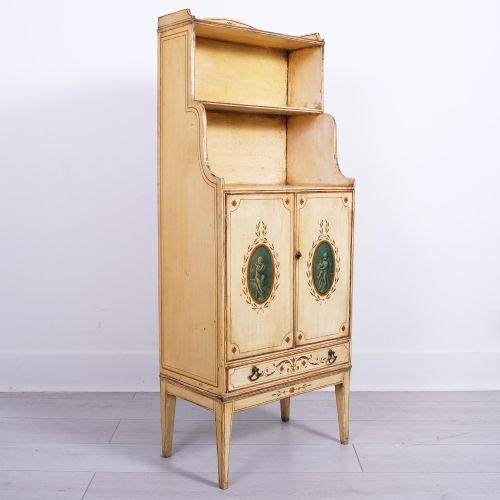
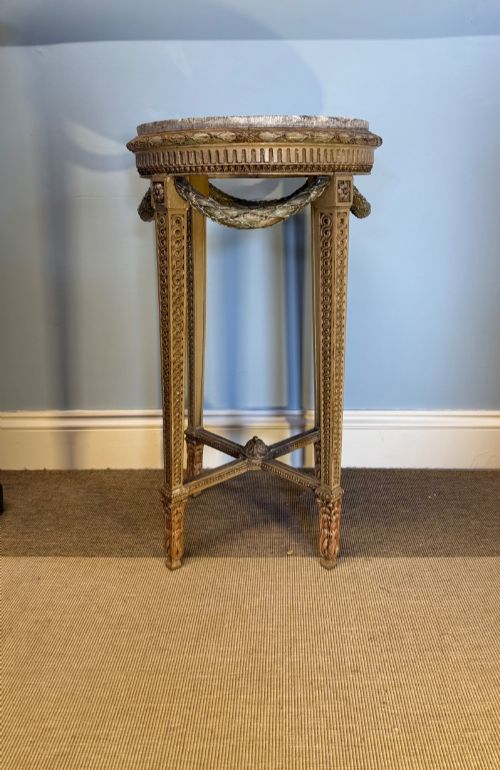


Neoclassical Display Stand
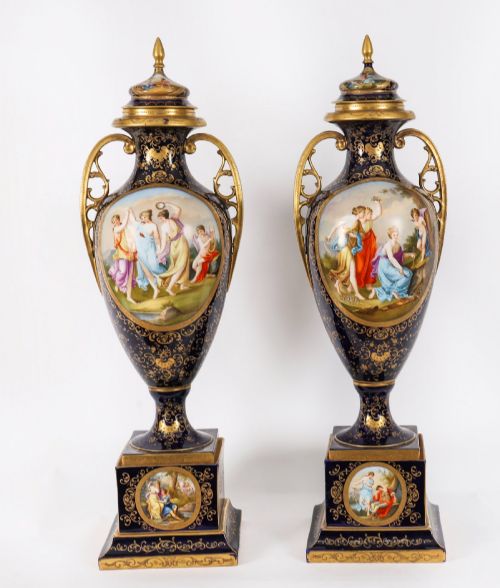
A neoclassical display stand raises a vase, bust or timepiece into the room with architectural clarity.
Neoclassical Display Stand
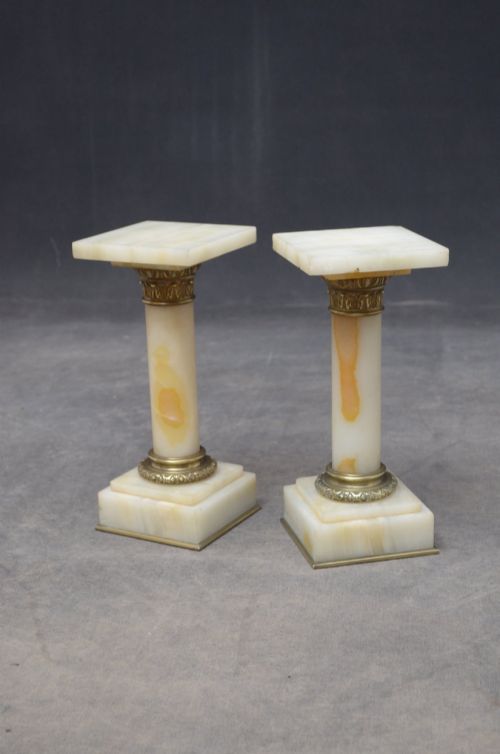
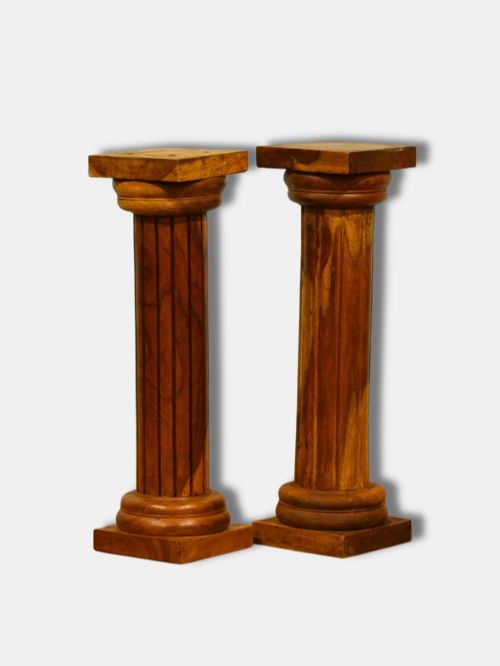
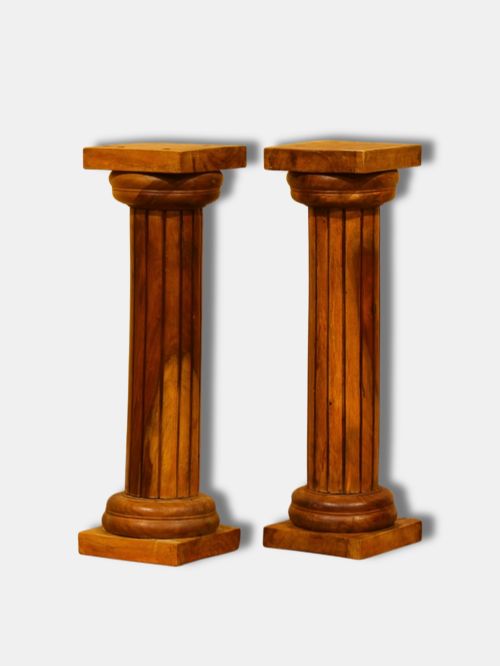
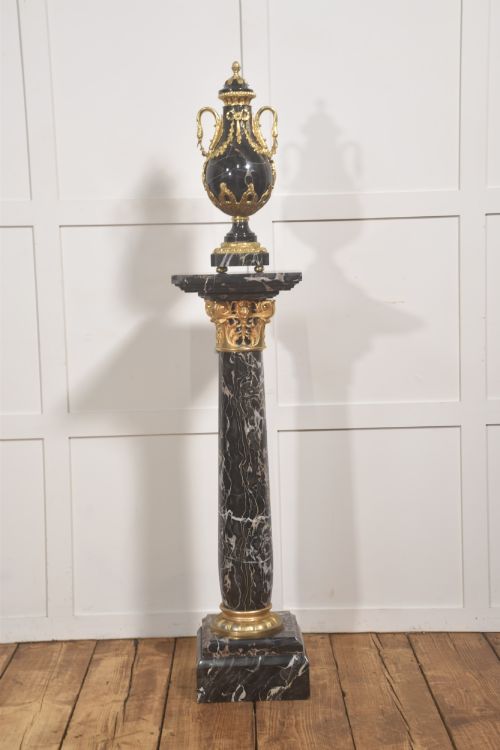
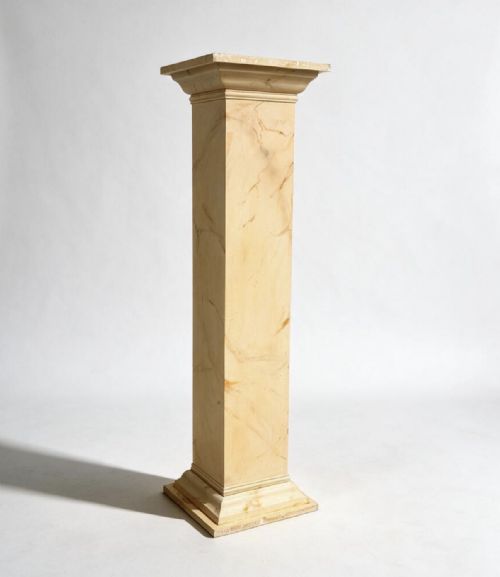
A neoclassical display stand serves to elevate sculptural objects, vessels and decorative items within a room, drawing directly from ancient Greek and Roman architectural forms. When exploring this selection, buyers encounter pedestals, columns and plinths designed to showcase art rather than sit quietly against a wall.
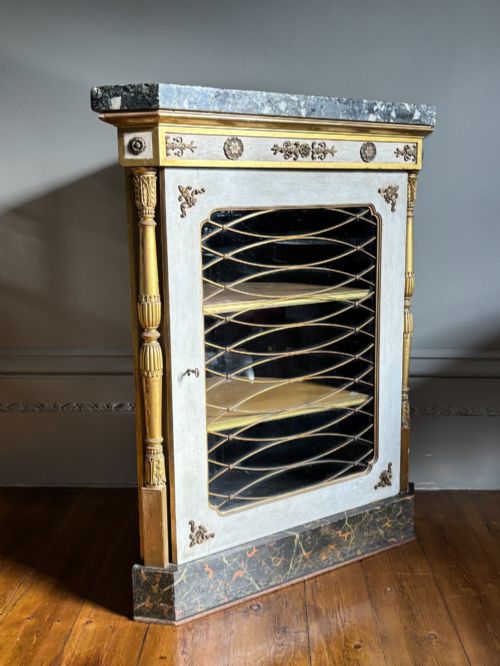
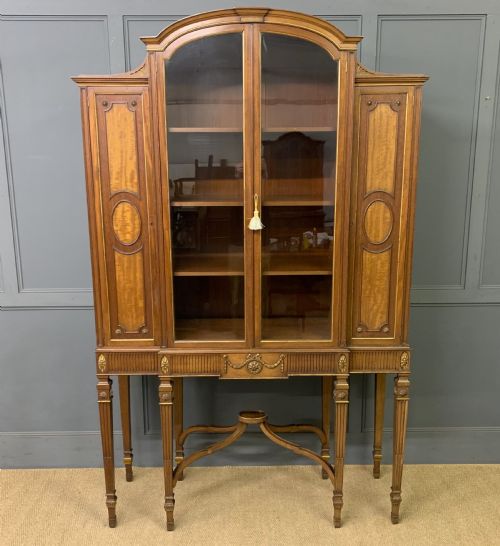
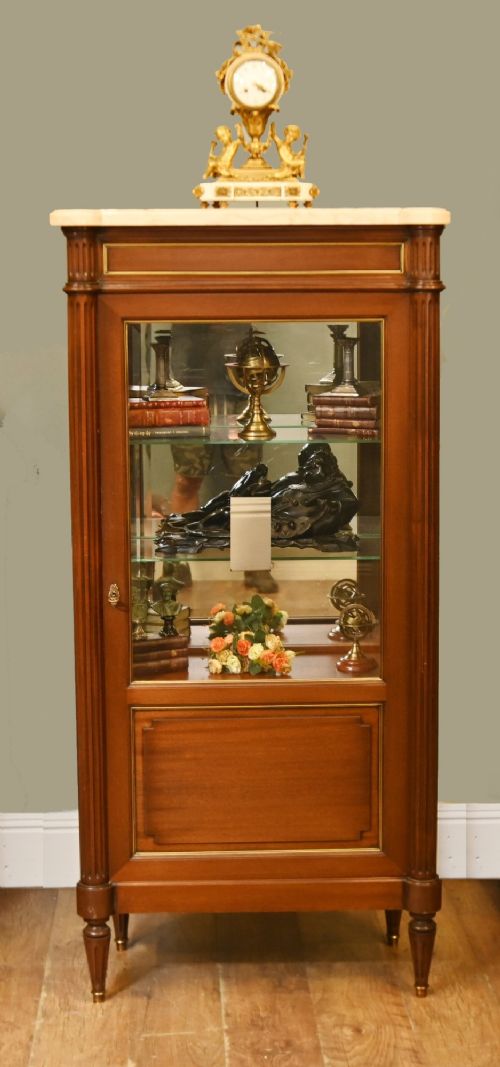
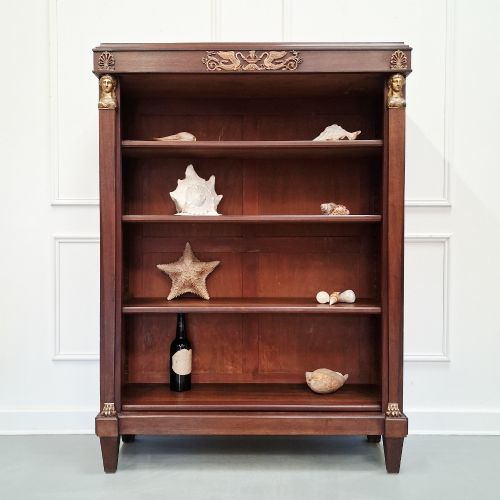
The objects listed span several centuries, with the nineteenth century and the early twentieth century heavily represented through revivals such as Louis XVI, French Empire and Directoire styles. Alongside dedicated columns and pedestals, the category encompasses vitrines, display cabinets and plant stands sharing the same formal vocabulary.
Most examples originate from French, Italian and British workshops, utilising strict symmetry, fluted shafts and classical capitals. Whether rendered as a tall torchere for a corner or a sturdy mahogany stand for a centrepiece, each item prioritises visual elevation.
How they were made
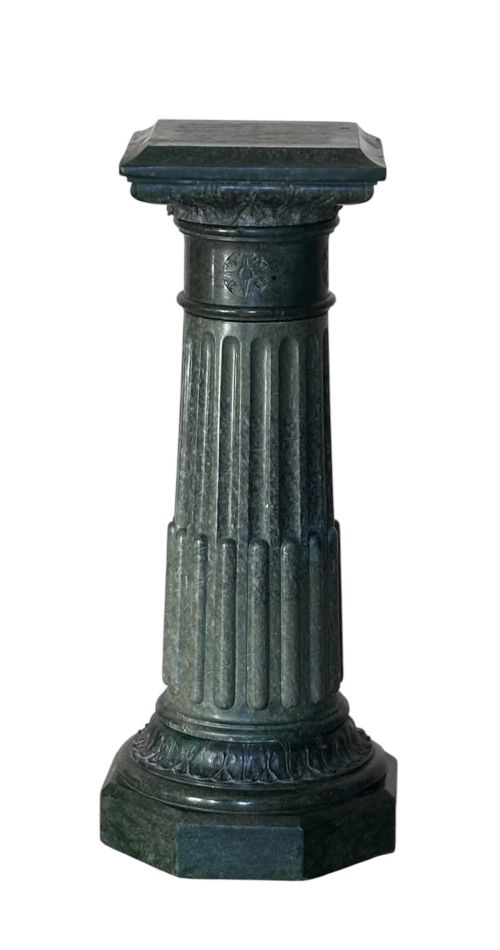
Construction relies heavily on the juxtaposition of dense hardwoods like mahogany and birch with natural stones, including green serpentine, Carrara marble and verde antico. Workshops also employed scagliola, a composite material of pigmented plaster, glue and limestone that imitates quarried marble with striking fidelity.
Surface ornamentation involved intricate joinery, hand-carved gesso, gilt-metal mounts and painted faux finishes to simulate expensive geological specimens. Carved alabaster and porcelain components appear in select stands, showing the breadth of decorative techniques used to achieve classical proportion.
Neoclassical Display Stand Retail Price Guide 2026
Typical asking prices for neoclassical display stand among the pieces listed under this phrase on Sellingantiques today, from the lower quarter to the upper quarter. They describe what is for sale here now, not the wider market.
What varies in quality
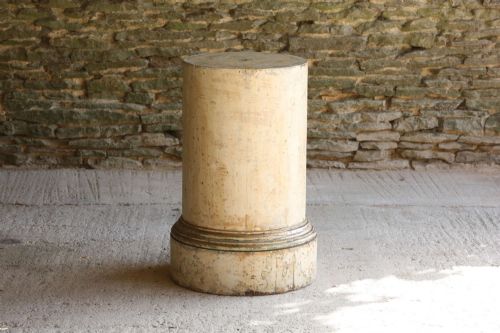
The distinction between standard production and exceptional work rests on the integrity of the materials and the precision of the carving. Solid marbles and finely figured hardwoods command attention through their weight and grain, whereas secondary pieces rely on painted pine or plaster.
Execution of classical details such as fluting, capitals and cast bronze mounts dictates the visual success of a pedestal. Crisp, hand-carved botanical motifs and balanced proportions separate ambitious workshop commissions from repetitive decorative items.
Waring and Gillow·Sandberg and Co
The Neoclassical Display Stand Glossary
- Pedestal
- A structural support or base designed to elevate a bust, urn or sculpture above floor level. These columns often feature a square plinth and a flat capital.
- Scagliola
- A composite material made from pigmented gypsum, selenite and glue, manipulated to resemble marble and other fine stones. Craftsmen polish the surface to achieve a smooth, reflective finish.
- Torchere
- A tall, slender stand or candlestick holder designed to support a light source or decorative object. In neoclassical interiors, these take the form of gilded wooden columns.
- Verde Antico
- A dark green serpentine marble flecked with white calcite veins, quarried in Greece and Italy. It appears frequently on nineteenth-century columnar display stands.
- Vitrine
- A glass-fronted cabinet or display case designed to protect and exhibit porcelain, silver and small curiosities. These pieces often incorporate neoclassical mounts and glazed side panels.
Neoclassical Display Stand: Frequently Asked Questions
What is a neoclassical display stand used for?
These stands provide a dedicated stage for decorative objects, elevating sculptures, porcelain vases and bronzes to eye level within a room.
By lifting items off the floor or furniture surfaces, they create focal points and introduce architectural dignity to interior spaces.
How do I identify the period of a column?
Dating relies on material composition, turning techniques and the specific revival style referenced by the maker. Nineteenth-century examples often use solid Italian marbles, while early twentieth-century pieces introduce diverse hardwoods and painted finishes.
Examining the underside, joinery methods and wear patterns helps confirm whether a piece dates to the Regency era or a later Edwardian revival.
Where should I place a pedestal in a room?
Tall columns and torcheres suit empty corners, hallway landings or flanking spaces beside large architectural openings.
Shorter plinths work effectively near windows or against plain walls where the silhouette of the displayed object can stand out clearly.
Are these stands suitable for heavy sculptures?
Solid marble, granite and dense hardwood columns offer substantial weight-bearing capacity suitable for heavy bronze or stone figures.
Plaster, painted pine and lighter plant stands suit delicate porcelain, small bronzes or potted greenery rather than massive statuary.