



Cream Wood Column
These cream wood column pieces bring architectural presence and classical proportion to a room, offering versatile display surfaces for sculpture and light.
Cream Wood Column
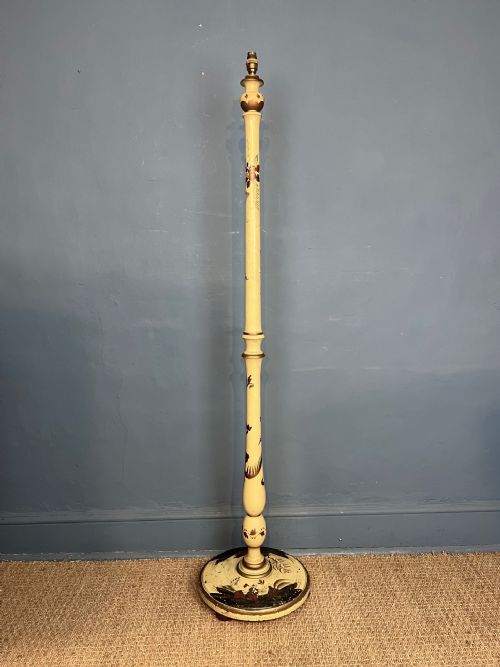
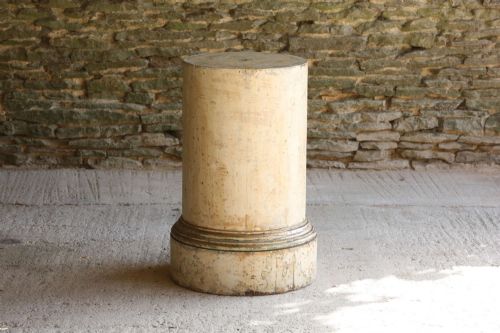
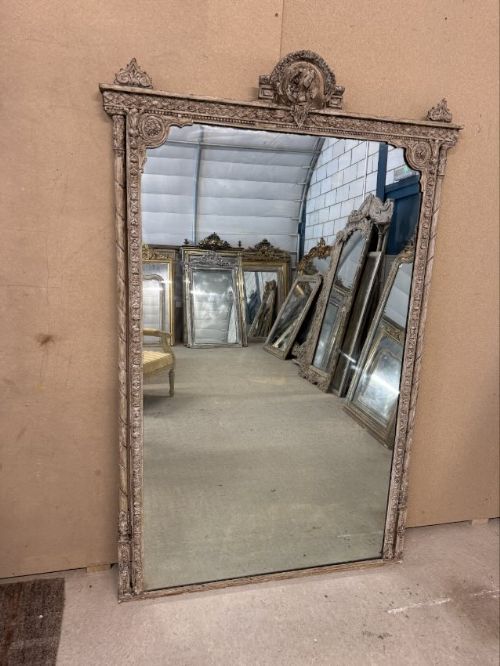
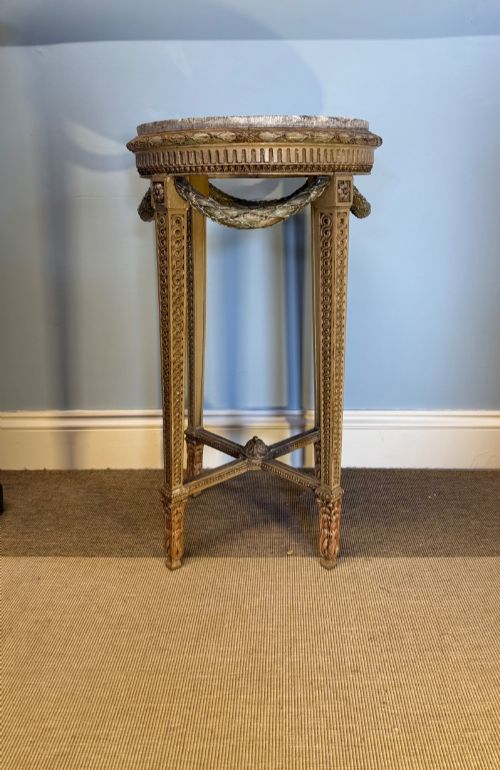
A cream wood column selection on this page encompasses decorative pedestals, architectural mirrors, and occasional lamp stands drawn from various historical periods. These items combine structural support with painted finishes, often imitating stone or marble while retaining the warmth of timber.
Most examples originate from the nineteenth and early twentieth centuries, spanning Victorian, Edwardian, and Neoclassical tastes. Forms range from cylindrical sculpture stands and column pedestals to overmantel mirrors framed by carved wooden columns.
Origin points across the current selection include English, French, and Italian workshops, reflecting diverse regional interpretations of classical column designs. Buyers frequently encounter painted pine plinths and gesso-coated column frames within these stylistic traditions.
Materials and construction
Makers utilised solid timbers including pine, shaped into cylindrical columns or rectangular pedestals using traditional carpentry methods. Many surfaces received layers of paint or gesso to create smooth planes suitable for decorative detailing.
Gilding and parcel-gilt techniques often highlight carved elements, adding metallic contrast to the cream ground finishes. Faux-painting methods were frequently employed to replicate marble surfaces over a wooden base.
Cream Wood Column Retail Price Guide 2026
Typical asking prices for cream wood column among the pieces listed under this phrase on Sellingantiques today, from the lower quarter to the upper quarter. They describe what is for sale here now, not the wider market.
Object forms include pedestals, plinths, overmantel mirrors, table lamps, and floor lamps reflecting Victorian and Neoclassical styles.
Assessing quality in column pieces
The refinement of carved wooden detail distinguishes standard items from more ambitious architectural works. Crisp execution in gesso and balanced proportions across the column shaft indicate higher workshop skill.
The application of paint finishes influences overall visual depth, with layered cream grounds and controlled ageing showing greater sensitivity than flat coatings. Intact gilding and stable underlying timber joints mark superior preservation.
The Cream Wood Column Glossary
- Pedestal
- A structural support or plinth designed to elevate a sculpture, vase, or lamp above floor level. These column forms provide a focal point in interior spaces.
- Gesso
- A plaster-like mixture applied to wood surfaces to prepare them for painting or gilding. This material allows for crisp, carved decorative relief work.
- Neoclassical
- A style drawing inspiration from classical antiquity, notable in these pieces through column motifs and balanced proportions. It emerged strongly in eighteenth and nineteenth-century design.
- Overmantel mirror
- A large mirror designed to hang above a fireplace mantel, frequently incorporating architectural elements such as flanking columns into the frame.
- Parcel-gilt
- A decorative treatment where only specific carved details or portions of an object receive gold leaf, contrasting with the painted wood ground.
Cream Wood Column: Frequently Asked Questions
Where should I place a column pedestal?
These pieces suit corners, entryways, or flanking positions in a reception room where they can display art objects without obstructing movement.
Ensure the floor surface is level so that heavier sculptures or lamps remain stable on the top platform.
How do I care for painted wood columns?
Dust regularly with a dry, soft cloth and avoid chemical cleaning agents that might soften aged paint or gesso finishes.
Keep pieces away from direct heat sources and strong sunlight to prevent the timber from moving and the surface from cracking.
Are overmantel mirrors heavy?
Carved wood and gesso mirrors from the nineteenth century often carry substantial weight due to their timber frames and glass panels.
Proper wall fixings into solid masonry or studwork are essential for secure hanging.