




Painted Pine Pedestal
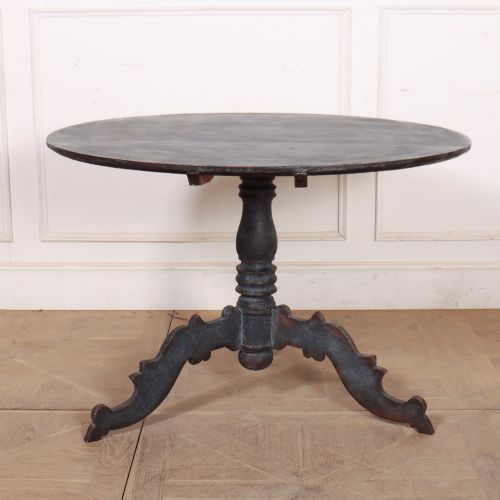
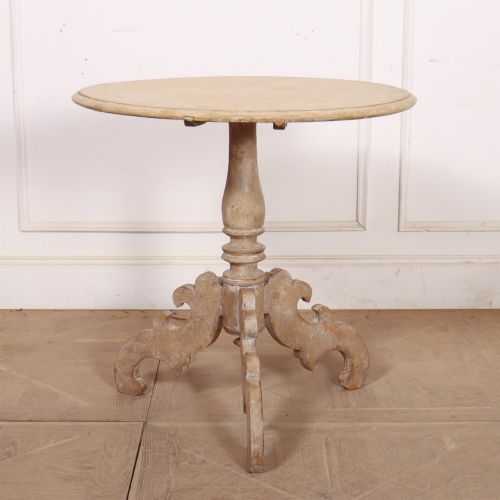
These painted pine pedestal pieces bring structural height and historic colour to a room, offering a sturdy display surface derived from centuries of domestic and architectural joinery.
Painted Pine Pedestal
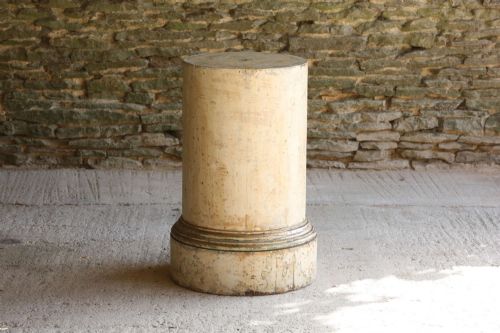
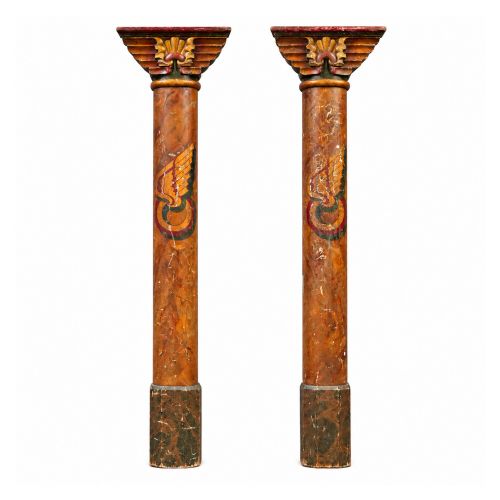
A painted pine pedestal functions primarily as a display support or architectural column, drawing on traditions of nineteenth century and earlier joinery. You will encounter forms ranging from neoclassical columns and torchere stands to sculptors stands and fairground pillars.
The pieces listed here lean heavily into regional and period styles, including Scandinavian country paintwork, English country house aesthetics, and neoclassical revivalism. Most examples utilise softwood construction finished with layered historical paint, graining, or simulated marble effects.
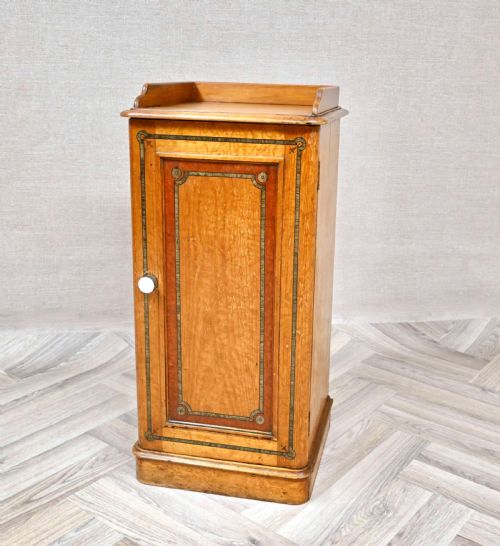
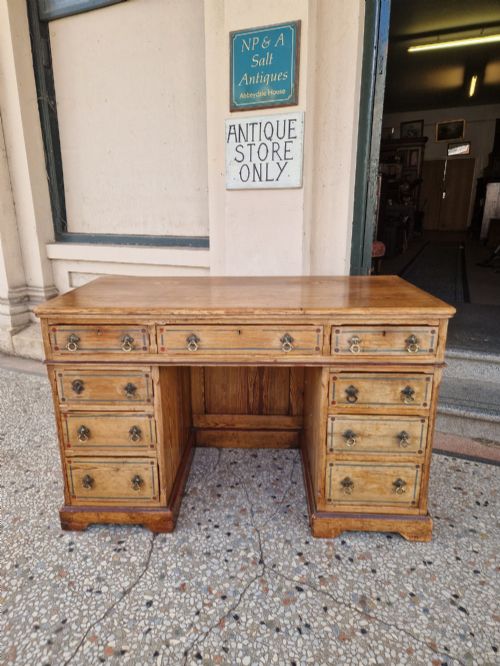
While the search term specifies a pedestal, the broader category encompasses related forms like bedside cupboards, lamp tables, and architectural columns. These items serve equally well as standalone decorative items or functional stands for sculptures and lamps.
Materials and construction
Carpenters built these supports primarily using solid pine and pitch pine timber, selected for its workability and structural resilience. Carved wood details occasionally accent the main columns, providing textural contrast to simpler turned shafts.
Surfaces received decorative treatments including applied paint, grained finishes, and simulated marble effects to mimic costlier stones. These finishes were built up in layers over wood, protecting the underlying softwood while delivering a striking visual presence.
Painted Pine Pedestal Retail Price Guide 2026
Typical asking prices for painted pine pedestal among the pieces listed under this phrase on Sellingantiques today, from the lower quarter to the upper quarter. They describe what is for sale here now, not the wider market.
A few unexpected arrivals on the floor include carousel fairground columns that traded spinning horses for stationary domestic elegance.
Distinguishing quality
Quality rests heavily on the integrity of the original paint surface and the crispness of any applied architectural carving. Pieces retaining authentic historical pigment or convincing faux marble graining stand apart from later, simpler repainting efforts.
The joinery and proportion dictate the architectural success of each piece, with well-balanced neoclassical columns and substantial display stands representing the upper tier of craftsmanship. Proportionate turning and solid base construction ensure stability for heavy objects displayed on top.
The Painted Pine Pedestal Glossary
- Pine
- A softwood derived from coniferous trees, widely utilised in historical furniture and architectural joinery for its accessibility and structural strength. It takes paint and graining finishes exceptionally well.
- Torchere
- A tall, slender stand designed originally to hold a torch or candle, and later adapted as a pedestal for lamps or small sculptures. These pieces often feature classical column turning.
- Pitch pine
- A dense, resinous variety of pine known for its durability and prominent grain patterns, frequently seen in heavier utilitarian and Arts and Crafts furniture. It provides robust structural support.
- Faux marble
- A decorative paint technique intended to imitate the appearance of natural marble stone. Artisans applied this finish to wood substrates to achieve a grand neoclassical aesthetic without the weight of stone.
Painted Pine Pedestal: Frequently Asked Questions
What were these pedestals originally used for?
These supports served varied domestic and institutional roles, acting as display columns for art, pedestals for lighting, or structural elements in interior spaces. Sculptors also utilised tall stands to elevate works in progress.
Over time, homeowners repurposed these architectural fragments and utilitarian stands purely for interior display. Their height makes them ideal for showcasing vases, lamps, or decorative objects in a room.
How do I date a painted pine pedestal?
Dating relies on examining the underlying construction methods, tool marks on the timber, and the composition of the paint layers. Earlier pieces from the eighteenth and nineteenth centuries often exhibit hand-planed surfaces and traditional joinery.
Stylistic cues such as neoclassical proportions or Victorian turning also offer clear chronological markers. Paint analysis can further reveal whether a surface finish is original to the period of manufacture.
Are these pedestals strong enough for heavy items?
Solid pine and pitch pine construction provides a robust weight-bearing capacity suited for typical display duties. The stability depends primarily on the width of the base and the soundness of the internal joinery.
Larger column pedestals and sculptors stands were engineered to bear significant weight during their working lives. However, checking the footings and balance of individual pieces remains wise before placing exceptionally heavy sculptures on top.
How do I care for historic painted surfaces?
Preserving these painted finishes requires keeping the wood away from direct sunlight and maintaining stable indoor humidity levels. Sudden environmental shifts can cause the underlying softwood to expand and the paint layer to flake.
Dusting gently with a dry, soft cloth is sufficient for routine maintenance. Avoid using harsh chemical cleaners or modern polishes that might soften or strip historical pigment.