


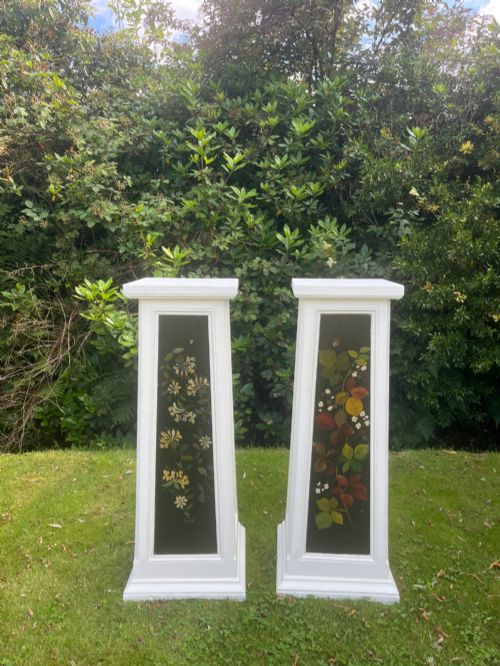


White Painted Plinth
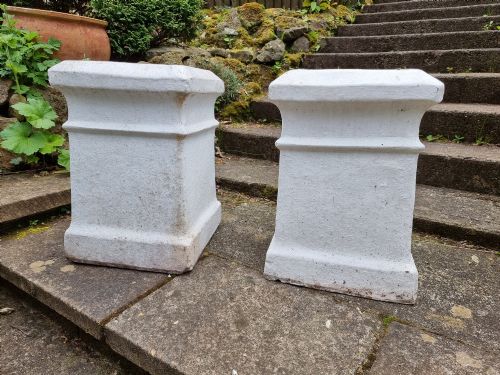
A white painted plinth elevates sculpture and plant stands indoors or in the garden with classic architectural form.
White Painted Plinth
A white painted plinth provides a structured architectural base for display, appearing in forms ranging from simple columns to classical pedestals. These sturdy supports lift urns, busts, and sculpture stands to eye level in both interior and garden settings.
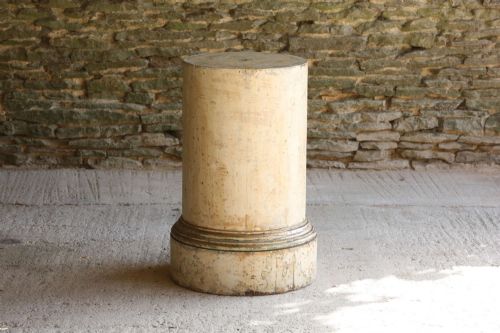
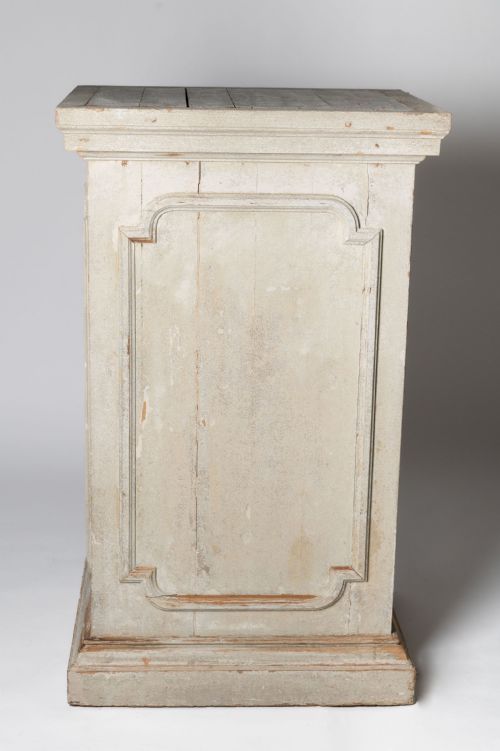
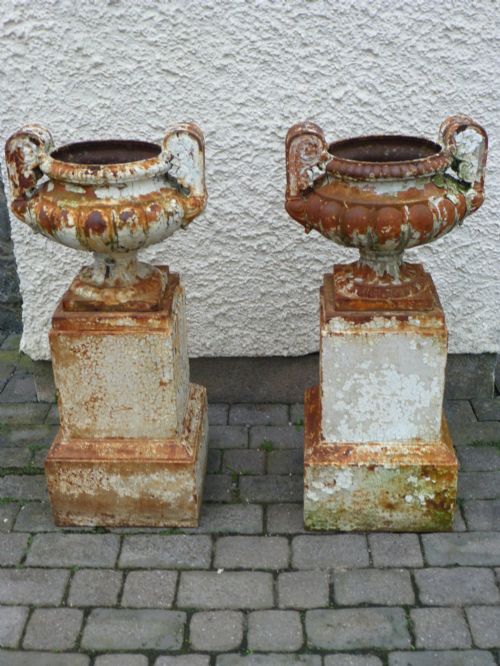
The selections available here draw principally from the nineteenth and eighteenth centuries alongside later twentieth-century examples. Buyers frequently encounter painted pine columns, cast iron garden planters on original bases, and neoclassical side tables.
Regional and stylistic variations span French provincial designs, English country pieces, and strict neoclassical geometries. Many items combine utility and ornament, serving simultaneously as plant stands and architectural focal points.
Materials and construction
Carpenters constructed structural columns and side tables from solid timbers such as pine, applying surface paint coats to achieve a durable finish. Ironfounders cast heavy metal garden urns and planters in specialised foundries before mounting them on matching plinths.
Decorative detailing on these supports relies on classical motifs including acanthus leaves, gadrooning, and fluted column profiles. Makers combined robust structural elements with layered painted surfaces designed to withstand exterior environments or interior display.
White Painted Plinth Retail Price Guide 2026
Typical asking prices for white painted plinth among the pieces listed under this phrase on Sellingantiques today, from the lower quarter to the upper quarter. They describe what is for sale here now, not the wider market.
Current listings feature diverse materials including cast iron, terracotta, and painted pine across periods spanning the eighteenth to the twentieth centuries.
Judging quality in white painted plinth
Superior quality in a white painted plinth rests on the integrity of the original material and the proportional balance of the design. Heavy cast iron castings exhibit crisp detailing in foliage and mouldings, while timber examples demonstrate precise joinery in columns and capitals.
The character of the surface finish significantly influences the visual weight of the piece, with genuine historic paint layers offering greater depth than modern refinishing. Complete matched pairs and original combinations of urn and pedestal command higher distinction among collectors.
The White Painted Plinth Glossary
- Plinth
- The base block or support upon which a statue, urn, or column rests. It provides both physical stability and visual elevation to the object above.
- Neoclassical
- A style drawing inspiration from the classical art and architecture of ancient Greece and Rome. Pieces feature clean lines, symmetry, and classical motifs such as acanthus leaves.
- Gadrooned
- Decorated with a carved or cast series of convex curves or flutes. This ornamental motif frequently appears around the rim or body of classical urns.
- Pedestal
- An upright architectural support or pillar used to elevate a sculpture, bust, or plant stand. They appear in cylindrical, square, and tapered column forms.
- Terracotta
- Fired unglazed clay of a brownish-red colour used for garden vessels and sculptural elements. It provides a porous and durable material suited to classical urns.
White Painted Plinth: Frequently Asked Questions
What were plinths originally used for?
Plinths served to elevate important architectural elements, statues, and urns to a commanding height. In classical architecture and gardens, they provided a stable foundation that framed the displayed object.
Over time, interior decorators and homeowners adopted these architectural supports as side tables, sculpture stands, and plant pedestals within domestic rooms.
Are cast iron plinths suitable for gardens?
Cast iron plinths and garden urns are exceptionally heavy and robust, making them ideal for permanent outdoor placement. Their metal construction withstands weathering when properly maintained with protective paint layers.
Collectors should ensure the base rests on firm, level ground to support the considerable weight of iron garden planters and combined column stands.
How do I date a painted wooden column?
Dating relies on examining the timber construction methods, tool marks, and the composition of underlying paint layers. Eighteenth and nineteenth-century examples often display hand-sawn dimensions and older joinery techniques.
Stylistic proportions also offer clues, as neoclassical and Victorian pieces incorporate specific decorative motifs characteristic of their manufacturing period.
Can these pedestals be used indoors?
These architectural supports adapt easily to interior spaces as sculpture stands, plant holders, or column side tables. Painted pine and wooden variants fit domestic room layouts while adding classical structure.
Placed in hallways or living areas, they create height variation and display surfaces for decorative objects and art pieces.