
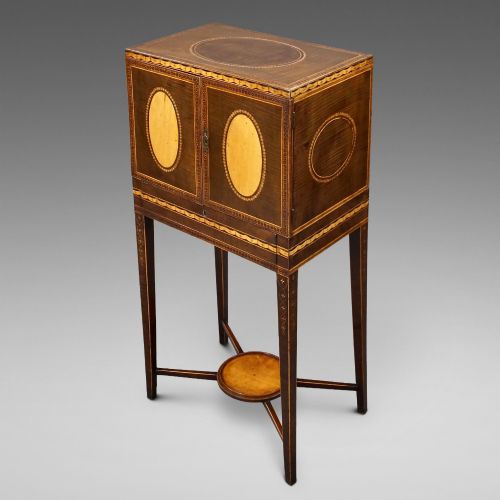
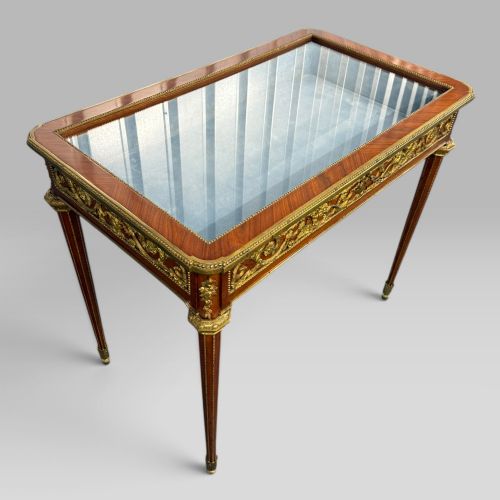
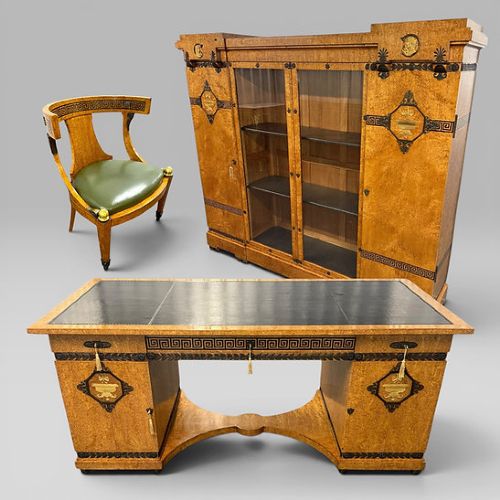
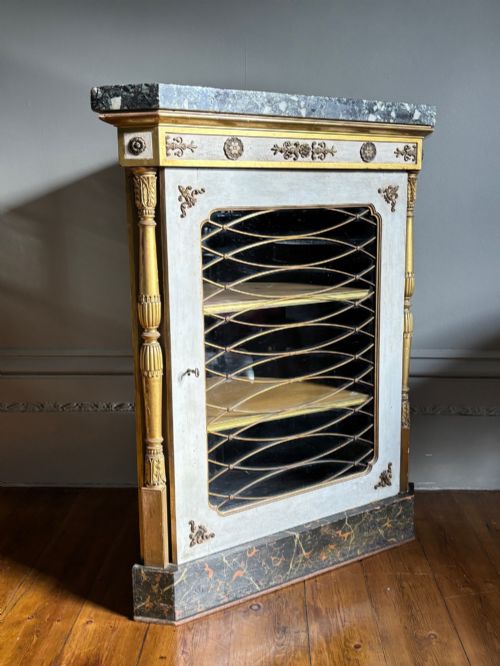


Neoclassical Display Cabinet
A neoclassical display cabinet brings architectural symmetry and refined glass-fronted storage into a room.
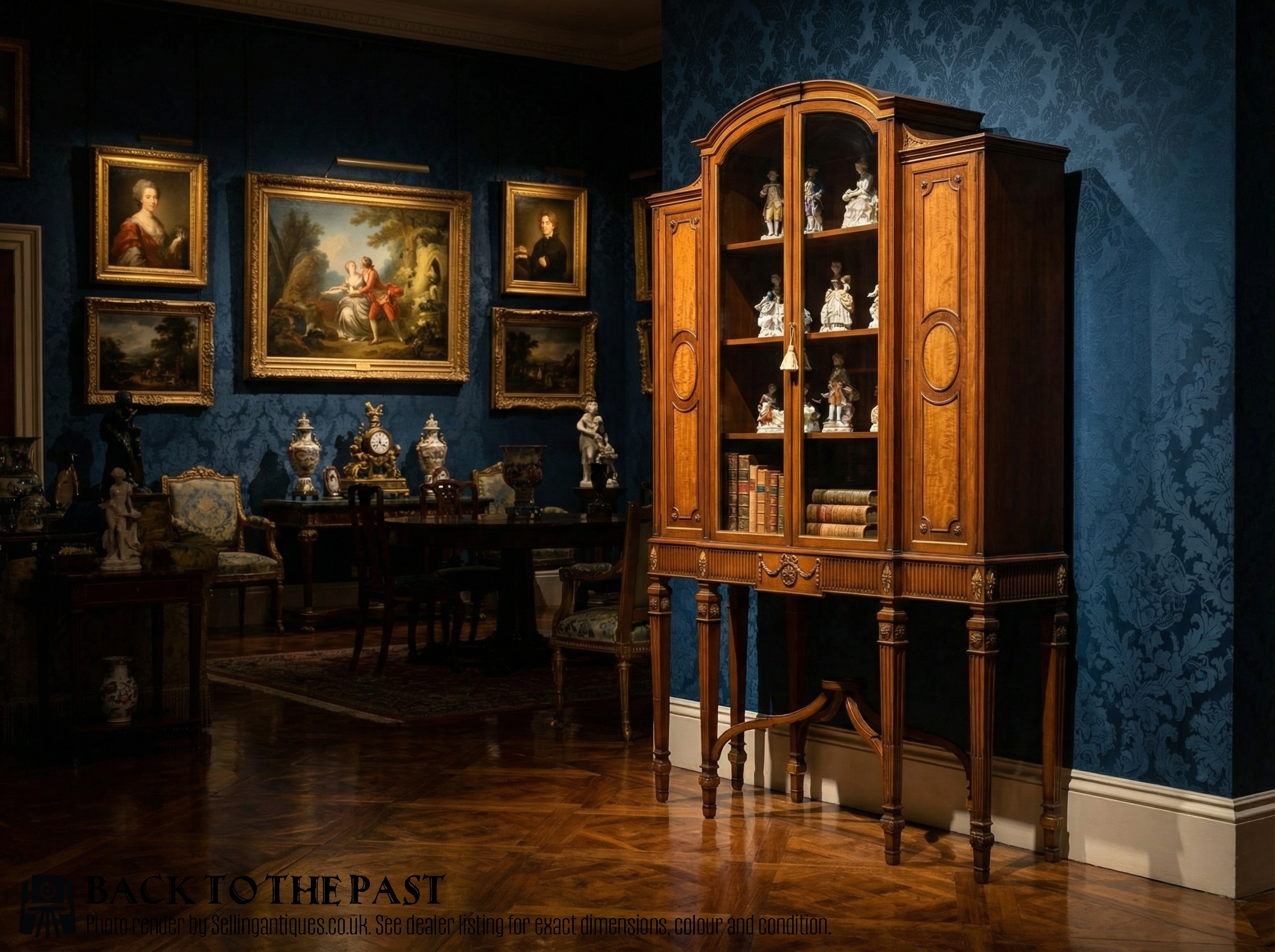
Neoclassical Display Cabinet
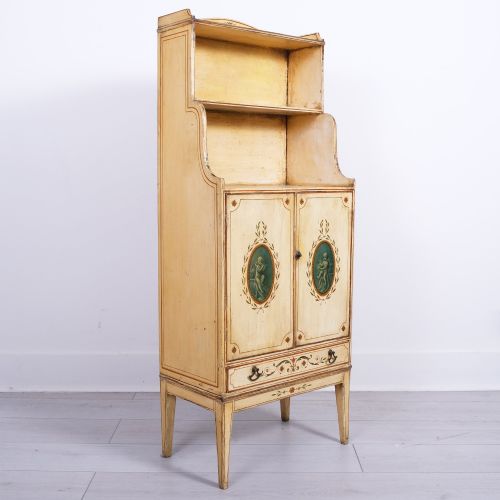
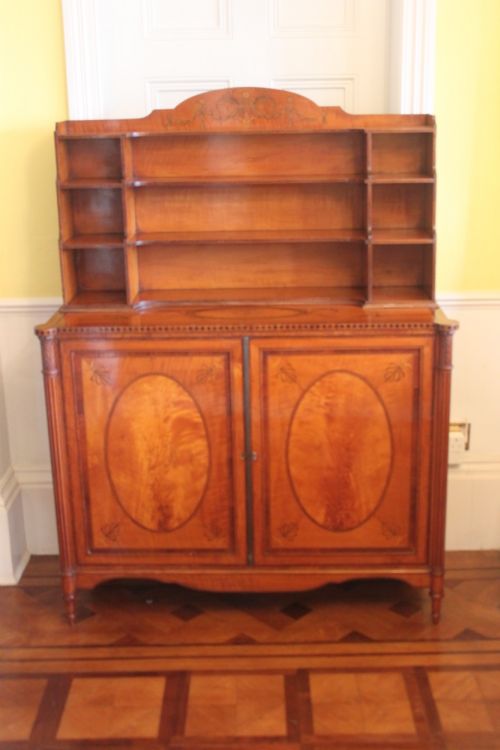
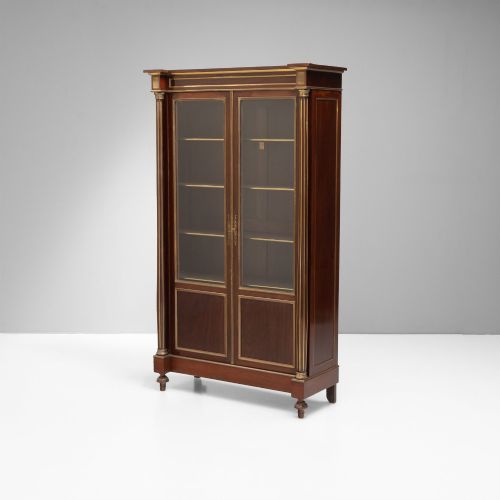
A neoclassical display cabinet is a piece of furniture designed to showcase ceramics, glass and decorative objects behind glazed doors, drawing on the motifs of classical antiquity. These cabinets appear in various forms across this selection, including tall breakfront bookcases, corner cupboards, freestanding vitrines and low side cabinets.
Makers and cabinetmakers working from the eighteenth century through the Edwardian period and into the twentieth century interpreted these classical lines in satinwood, mahogany and harewood. Pieces span multiple revivals, including Sheraton Revival, Louis XVI style and French Empire, reflecting enduring tastes for balanced proportions and restrained ornament.
Buyers seeking this phrase most frequently encounter nineteenth-century and Edwardian examples featuring delicate inlay, glazed panels and brass mounts. The form balances utility with display, serving to organise collections while adding architectural weight to a study or drawing room.
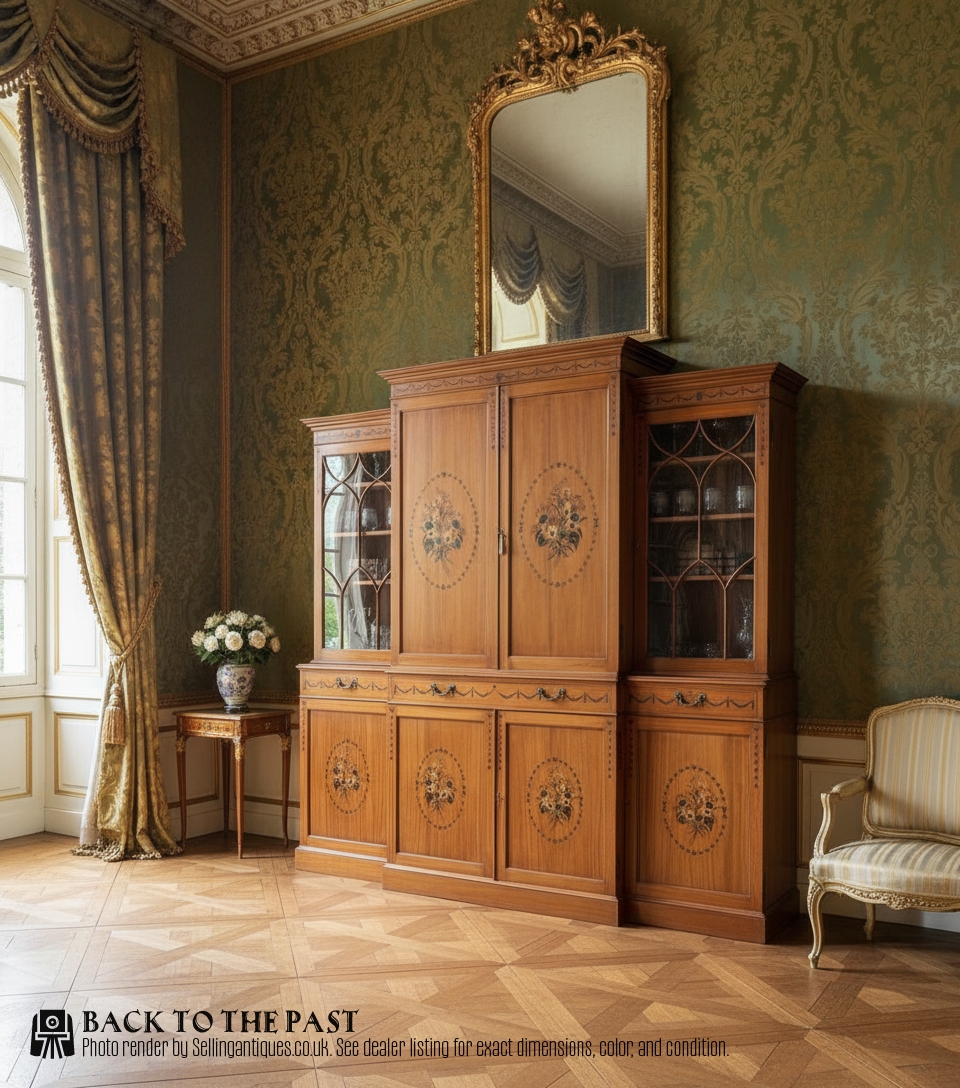
Materials and Construction
Cabinetmakers built these pieces using dense timber carcases of mahogany, satinwood and harewood, frequently applying elaborate marquetry and painted decorations across the surfaces. Fine veneers allowed workshops to create patterned panels that frame the central display areas.
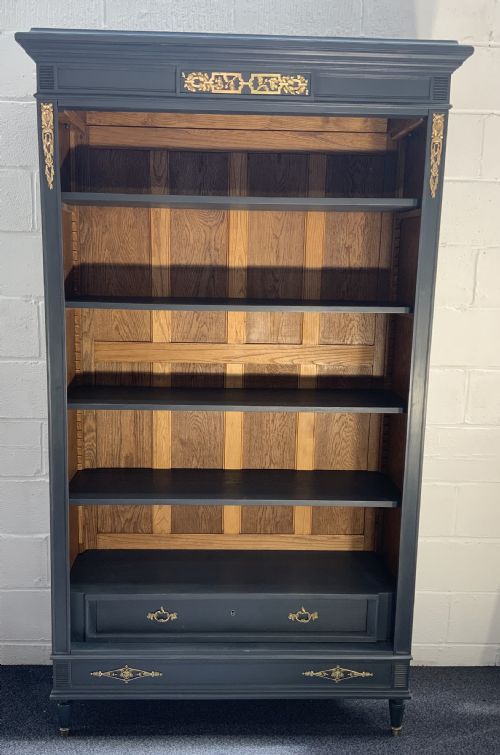
Metalwork played a defining structural and decorative role, with cast ormolu mounts, brass embellishments and gilt hardware accentuating the corners, doors and legs. Glazing bars divided the glass doors into geometric panes, while interior shelving accommodated porcelain plates, chargers and objets d'art.
Neoclassical Display Cabinet Retail Price Guide 2026
Typical asking prices for neoclassical display cabinet among the pieces listed under this phrase on Sellingantiques today, from the lower quarter to the upper quarter. They describe what is for sale here now, not the wider market.
Listings feature numerous satinwood and mahogany pieces incorporating brass mounts, porcelain plates, and painted neoclassical decoration across the nineteenth and early twentieth centuries.
Assessing the Workmanship
The standard of a neoclassical display cabinet depends on the precision of its marquetry and the crispness of its brass or ormolu mounts. Finer workshops employed hand-selected satinwood and mahogany veneers, matching the grain symmetrically across drawer fronts and door panels.
Structural integrity separates workshop pieces from standard commercial output, seen in the tight joinery of the glazing bars and the weight of the timber used for carcases and shelving. The refinement of painted classical motifs and the depth of the gilt or brass detailing indicate the original tier of manufacture.
François Linke·Mercier Frères·James Hicks·Jewell of Holborn·Paul Sormani·Waring and Gillow·Edwards and Roberts·Sandberg and Co
The Neoclassical Display Cabinet Glossary
- Vitrine
- A glass-fronted cabinet or display case designed specifically for showing porcelain, glassware and small decorative items.
- Ormolu
- Gilt-bronze mounts applied to furniture for decorative effect, common on French neoclassical and Empire pieces.
- Marquetry
- The art of applying decorative veneer pieces in wood, shell or ivory to a structural carcase to form geometric or pictorial designs.
- Astragal
- A small convex moulding used in cabinet door construction, particularly the narrow wooden bars dividing glass panes.
- Breakfront
- A piece of furniture whose central section projects forward from the flanking sections, creating architectural depth.
Neoclassical Display Cabinet: Frequently Asked Questions
What is a neoclassical display cabinet?
A neoclassical display cabinet is a glazed storage piece ornamented with classical motifs such as urns, swags, columns and symmetrical geometric inlay. These cabinets were designed to protect and exhibit valued collections of porcelain, books and decorative objects.
Originating from revivals of ancient Greek and Roman design, the form encompasses freestanding vitrines, corner cupboards and tall breakfront bookcases. Makers adapted these classical elements across the eighteenth, nineteenth and early twentieth centuries using fine timbers like mahogany and satinwood.
Where were these cabinets placed?
These cabinets traditionally stood in formal entertaining spaces such as drawing rooms, libraries and dining rooms where guests could admire the contents. Corner cupboards and wall-mounted vitrines made efficient use of smaller rooms or transitional hallways.
In modern interiors, they serve a similar function, anchoring a room's decorative scheme while housing collections of ceramics, glassware or books. Their glass panels help keep dust away from delicate items while maintaining visual openness in the space.
How do I date a display cabinet?
Dating a cabinet involves examining the secondary woods, the style of the brass hardware, the construction of the drawers and the method of glass manufacture. Revival periods often replicate eighteenth-century designs, so joinery details and finish help distinguish an original Georgian piece from a later Edwardian or twentieth-century interpretation.
Maker stamps, paper labels and distinctive marquetry patterns also provide clues to attribution. Comparing the decorative motifs against known stylistic periods helps narrow down the decade of manufacture.
How do I care for antique satinwood?
Satinwood furniture benefits from stable indoor humidity levels away from direct sunlight, which can fade or yellow the delicate golden timber and its painted decoration. Regular dusting with a soft, dry cloth maintains the surface without the need for heavy modern polishes.
Applying microcrystalline wax periodically helps nourish the polished wood surface and protect the veneers. Care should also be taken with internal glass shelves to avoid overloading them with heavy ceramic chargers or porcelain plates.