


Antique Glazed Counter
An antique glazed counter brings commercial heritage inside, offering glass-fronted protection for prized collections.
Antique Glazed Counter
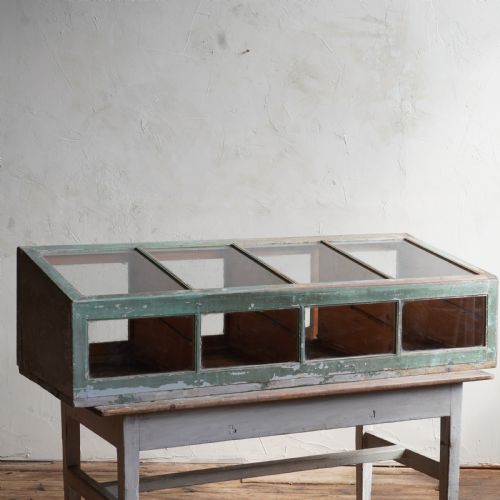
An antique glazed counter serves as a shop display unit or tabletop showcase designed for retail merchandise. These pieces originate from periods including the Victorian era, the Edwardian years, and the 1920s.
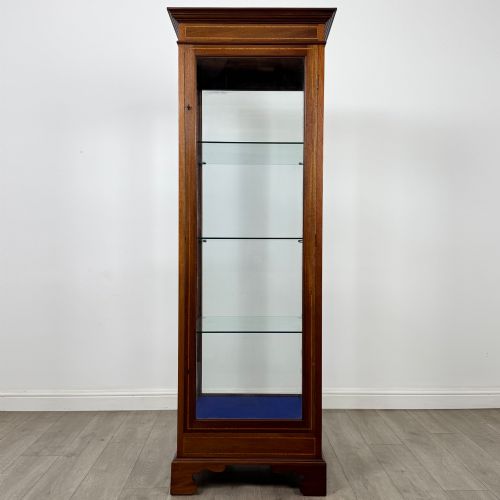
The most common forms on this page include countertop display cabinets, tall freestanding shop display cases, and complete shop serving counters. Materials span from traditional mahogany and oak to brass, mirror, and glass.
Commercial styles dominate these listings, ranging from Edwardian and Victorian commercial designs to Art Deco and rustic industrial pieces. Interiors often feature wooden shelving or mirrored glass to reflect light through the display.
Materials and construction methods
Makers utilised solid timbers such as mahogany and oak to build sturdy frames capable of supporting heavy glass panels. Hardwoods provide structural integrity for both countertop boxes and large freestanding shop display counters.
Glazing forms the primary visual element, enclosing shelves with transparent glass plates held by wooden rebates or brass fittings. Mirrored interiors appear in specific mahogany cabinets to enhance the visibility of stored items.
Periods represented span from nineteenth century examples through Edwardian commercial pieces to nineteen thirties Art Deco cases.
Distinctions in construction and finish
Quality rests upon the choice of timber and the precision of the joinery used in the frame. Superior examples employ dense mahogany or quarter-sawn oak with tight joints that maintain structural stability over decades of commercial use.
Original hardware, such as brass locks, handles, and hinges, distinguishes better pieces from those with later replacements. The clarity of the glass and the retention of original finishes or authentic advertising sign-writing further define the standard of a cabinet.
F. Sage & Co.·Fry’s Chocolate·Rowntree’s Chocolates·Terry’s of York·E. Pollard & Co. Ltd.
The Antique Glazed Counter Glossary
- Vitrine
- A glass-sided display cabinet designed to exhibit porcelain, curiosities, or retail goods. These cases often feature glazed doors and mirrored backs.
- Haberdashery cabinet
- A multi-drawer retail unit traditionally utilised for storing small sewing items, ribbons, and threads. Many variants incorporate glass fronts or glass-fronted drawers.
- Countertop cabinet
- A compact glazed display case built to sit directly upon a shop counter. These pieces placed small confectionery or apothecary goods at eye level for customers.
- Apothecary cabinet
- A specialist storage unit originating from chemists and pharmacies. These items frequently combine small drawers, shelving, and glazed enclosures for medicines.
- Bow front
- A convex curved cabinet facade that projects outward toward the viewer. This shaping softens the linear geometry typical of standard commercial display cases.
Antique Glazed Counter: Frequently Asked Questions
What were antique glazed counters used for?
These glazed units functioned as secure display and storage furniture in nineteenth and early twentieth century shops. Shopkeepers utilised them to present confectionery, tobacco, pharmacy goods, and small retail items to customers.
Today, collectors repurpose these cabinets inside domestic settings to display small collections, ceramics, and curiosities while protecting them from dust.
How do I identify an Edwardian display cabinet?
Edwardian display cabinets typically date from the period between nineteen hundred and nineteen ten. They frequently employ mahogany framing with light stringing inlay and slender proportions.
Commercial examples from this era often incorporate maker plaques or advertising glass panels associated with confectionery and pharmaceutical brands.
Where should I place a countertop cabinet?
Countertop cabinets suit placement on top of sideboards, desks, or kitchen islands where the glass panels catch ambient light. Their compact footprints allow them to occupy surface space without dominating a room.
Ensure the supporting surface remains level and sturdy, as hardwood and glass cases carry substantial weight.
What is the difference between a vitrine and a counter?
A vitrine operates primarily as a tall, freestanding or table-top display enclosure intended for decorative objects in a drawing room or shop. A counter functions as a working retail barrier with a flat top for transactions and a glazed front for merchandise.
Both utilise glass panels, but counters reflect commercial provenance while vitrines often follow domestic furniture styles.