





George III Style Cabinet
A george iii style cabinet brings classical proportion and figured timber to a room, drawing on eighteenth-century design principles for practical storage.
George III Style Cabinet
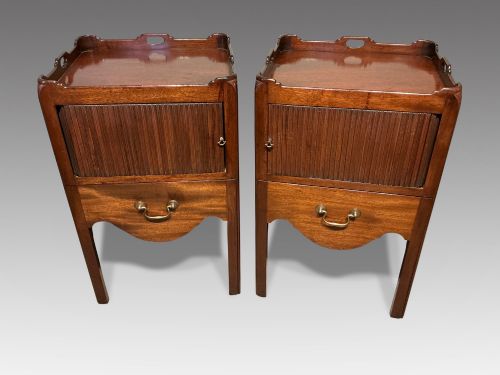
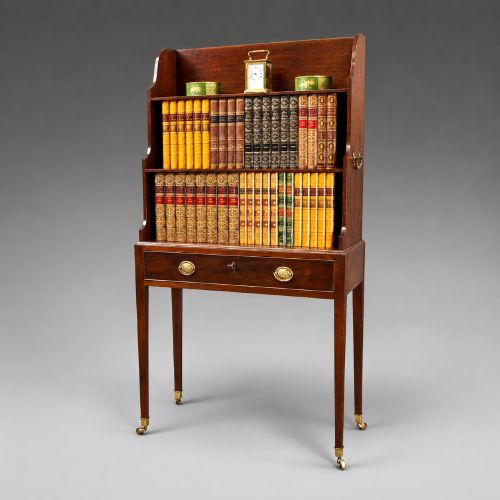
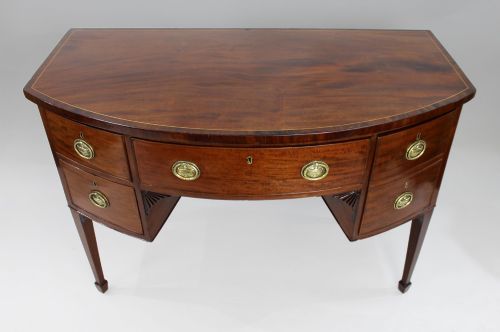
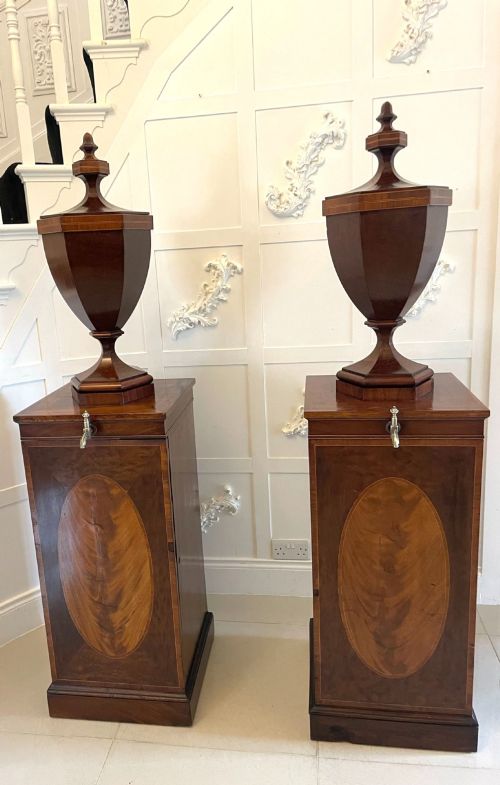
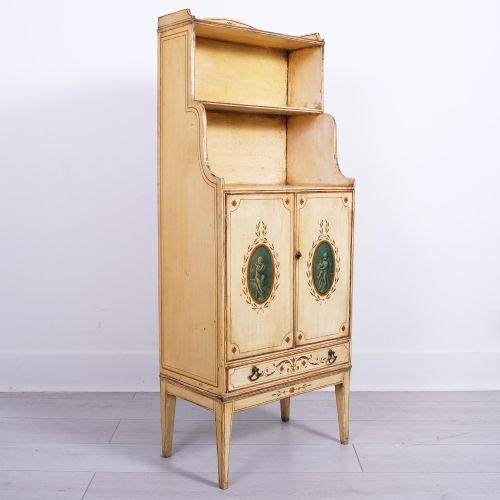
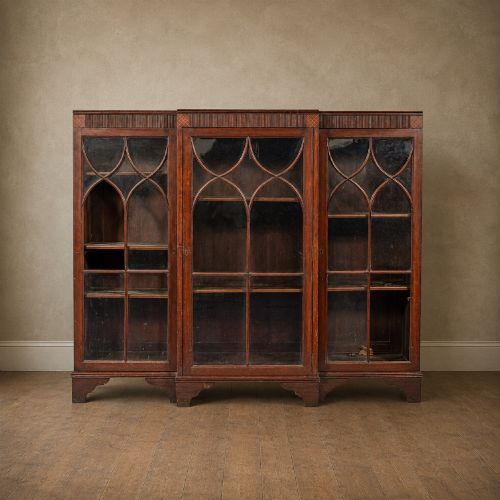
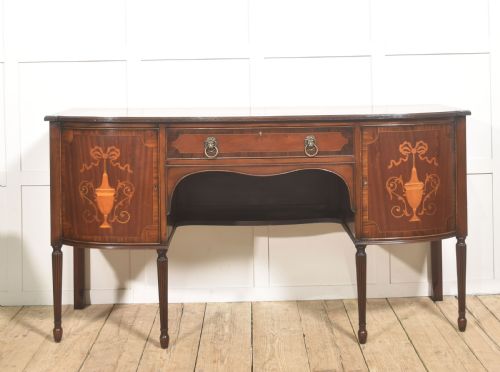
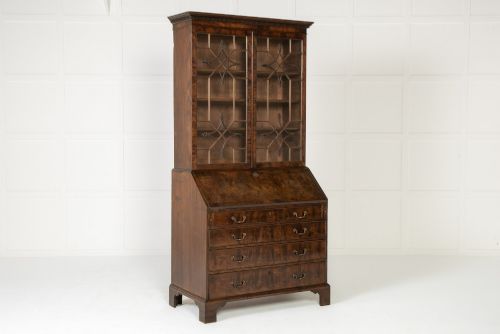
When searching for a george iii style cabinet, a buyer encounters a diverse group of storage furniture spanning authentic eighteenth-century examples and later revivals from the nineteenth and twentieth centuries. The most common forms met on this page include mahogany bookcases, sideboards, bedside cupboards, and display cabinets sharing classical architectural lines.
The materials and aesthetic derive directly from the Georgian period, incorporating specific iterations such as Sheraton Revival, Adam style, and Gothic interpretations. Pieces range from large breakfront library bookcases down to diminutive bedside cabinets and corner cupboards.
Origins stretch from original eighteenth-century workshops through to later revival furniture made around nineteen hundred, reflecting enduring demand for proportioned cabinet work.
Materials and Techniques
Construction relies heavily on solid timber framing faced with choice veneers, primarily utilising mahogany, satinwood, and occasionally harewood or rosewood. Cabinet makers incorporated boxwood inlay and marquetry panels to create contrasting geometric and floral borders on drawer fronts and doors.
Glass doors frequently feature wooden glazing bars arranged in geometric or astragal patterns, while internal fittings often include adjustable shelving, pigeonholes, and secretaire drawers with drop fronts.
George III Style Cabinet Retail Price Guide 2026
Typical asking prices for george iii style cabinet among the pieces listed under this phrase on Sellingantiques today, from the lower quarter to the upper quarter. They describe what is for sale here now, not the wider market.
Forms range from extensive breakfront library bookcases and linen presses down to diminutive bedside cabinets and demi-lune commodes.
Judging Execution
Quality in these pieces is dictated by the selection of the timber and the precision of the joinery rather than ornamentation alone. Superior examples display carefully matched flame mahogany veneers and crisp, hand-cut inlay that follows the structural contours without misalignment.
Hardware, drawer linings in secondary timbers such as oak, and the fluidity of movement in doors and secretaire fittings mark the distinction between standard production and exceptional workshop output.
William Gomm·Gillows·Edwards and Roberts·Cowtan and Sons
The George III Style Cabinet Glossary
- Breakfront
- A piece of furniture where the central section projects forward from the flanking outer sections. This architectural arrangement creates depth and visual rhythm across large bookcases and sideboards.
- Secretaire
- A cabinet or bureau incorporating a fitted writing drawer with a drop-down front. Inside, small drawers and pigeonholes provide concealed compartments for correspondence.
- Astragal
- A moulding used to hold panes of glass within a glazed door framework. These narrow wooden bars form geometric patterns across cabinet fronts.
- Demi-lune
- A half-moon or semicircular shape found in the plan of certain side cabinets and commodes. This curved profile allows the furniture to sit flush against a wall while softening room angles.
- Marquetry
- Decorative patterns formed by fitting contrasting veneers into a prepared wooden background. Craftsmen utilise woods like satinwood and rosewood to build pictorial or geometric motifs.
George III Style Cabinet: Frequently Asked Questions
How do I spot an eighteenth-century original?
Original pieces display construction methods appropriate to the period, including hand-cut dovetails in secondary woods like oak and pine. Tool marks on unexposed internal surfaces and historical timber shrinkage offer further indicators of age.
Revival pieces made around nineteen hundred often utilise more uniform machine-sawn timbers and standardised hardware fixings. Examining the interior construction alongside the exterior timber figuring helps clarify the date of manufacture.
Where should I place a corner cabinet?
Corner cabinets are designed to fit directly into ninety-degree room junctions, making them useful for utilising dead space in dining rooms or drawing rooms. Tall glazed versions serve to display china or glassware at eye level.
Shorter models function effectively as bedside units or small side tables in rooms with limited floor space. Their angled footprint allows them to anchor a corner without protruding awkwardly into the main circulation path.
What is a breakfront bookcase used for?
A breakfront bookcase provides extensive vertical storage behind glass doors, protecting books and display objects from dust. The prominent central section often houses larger volumes or serves as a focal point for decorative bindings.
Lower sections frequently incorporate enclosed cupboards or secretaire drawers for additional concealed storage. These large pieces anchor formal reception rooms and libraries.
How do I care for satinwood and mahogany?
These timber surfaces require stable indoor humidity away from direct heat sources and strong sunlight to prevent veneer lifting or fading. Regular dusting with a soft, dry cloth maintains the finish without needing heavy polishes.
Occasional application of traditional beeswax nourishes the wood and preserves the grain depth. Avoid using silicone-based sprays, which can penetrate porous timber and damage historical finishes.