




Mahogany Display Counter
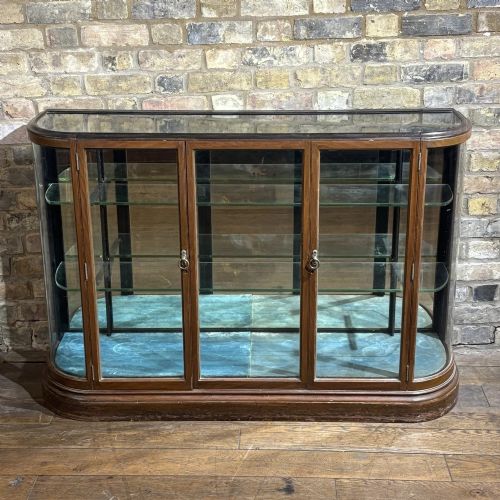
Mahogany display counter pieces are mercantile fixtures designed to showcase goods behind glass, bringing period retail character directly into a modern room.
Mahogany Display Counter
When you search for a mahogany display counter, you encounter commercial shop fittings built to display everything from apothecary goods and haberdashery to chocolate and jewellery. These pieces date predominantly from the Victorian, Edwardian, and 1920s commercial eras, reflecting the expansion of retail trade and attractive product presentation.
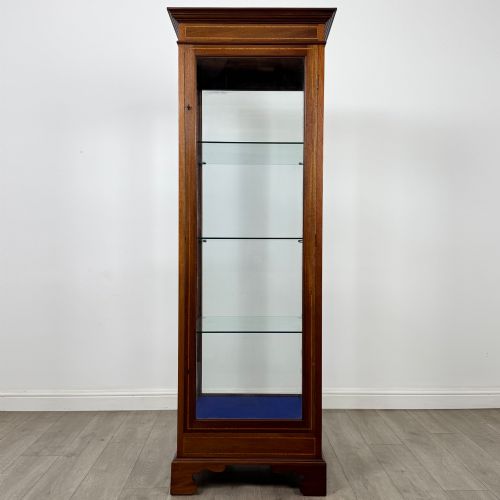
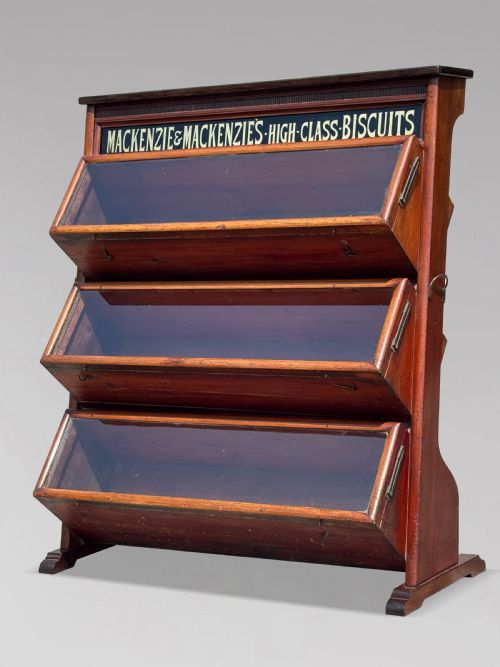
The most common formats you will meet on this page are low countertop display cases, tall freestanding cabinets, and dedicated shop serving counters with glazed panels. Many originate from chemist shops, confectioners, and drapery stores, often bearing original maker plaques or sign-written advertising for brands like Fry's, Rowntree's, and OXO.
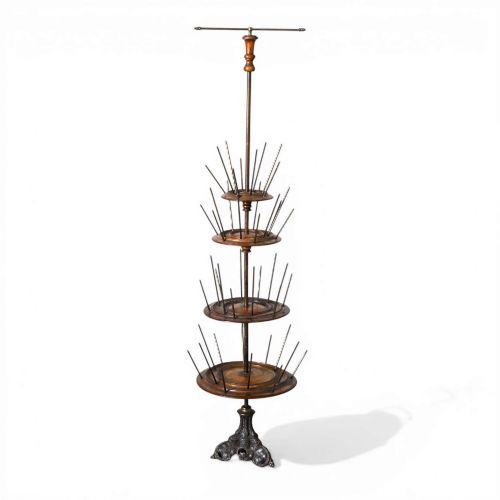
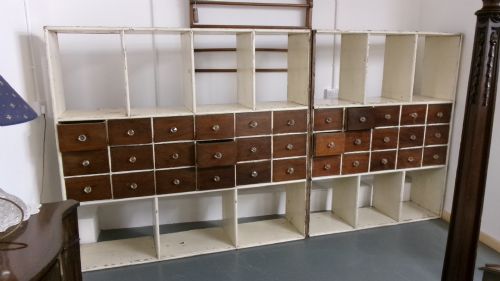
Formations range from simple rectangular glazed boxes to bow-ended counters, pentagonal stands, and multi-tiered haberdashery units designed for public viewing. They combine sturdy timber framing with large glass surfaces to protect merchandise while maintaining full visibility from the customer side of the shop.
How they were made
These commercial fittings rely on a robust frame of solid mahogany or related hardwoods, paired with secondary structural timbers like pine for internal drawers and hidden partitions. Brass hinges, handles, and lock escutcheons provide mechanical durability for doors and sliding panels subjected to daily retail use.
Extensive glazing forms the primary viewing area, utilising clear glass panels held securely in wooden rebates, sometimes backed by mirrored glass interiors to amplify light and reflect displayed objects. Velvet or fabric liners occasionally cushion the base of jewellery and cotton counters, while applied brass or bronze details finish the structural edges.
Listings feature commercial forms spanning the Victorian era through the 1930s, constructed primarily from mahogany, glass, and brass.
What varies in quality
Construction methods dictate the integrity of a commercial counter, separating utilitarian utility pieces from bespoke retail showcases built by prominent shopfitters. Joinery execution, such as dovetailed drawers and neatly fitted glazing bars, distinguishes standard cabinet work from exceptional workshop production.
The preservation of original architectural elements, including functional brass hardware, manufacturer branding, mirrored backs, and curved glass panels, defines the standing of an individual display counter. Alterations to glass panes or replacement internal fittings alter the original character established during the nineteenth and early twentieth centuries.
F. Sage & Co.·John Stow Ltd·Pollards
The Mahogany Display Counter Glossary
- Vitrine
- A glass-fronted display cabinet or case designed for exhibiting objects. These pieces often feature glass on multiple sides to maximise light penetration.
- Haberdashery cabinet
- A multi-drawer retail unit built for storing and displaying small sewing items, buttons, and cottons. They frequently incorporate glass-fronted drawers or drop-front panels.
- Countertop display case
- A smaller glazed cabinet designed to sit directly on top of a larger shop serving counter. They placed high-margin goods at eye level for waiting customers.
- Bow front
- A convex, outwardly curved glass or wooden front panel. This technique softens the rigid rectangular geometry of traditional shop counters.
- Chemist shop fitting
- Commercial furniture produced specifically for Victorian and Edwardian pharmacies. These units often feature specialised banks of drawers and apothecary labels.
Mahogany Display Counter: Frequently Asked Questions
What were mahogany display counters used for?
These counters served as functional retail furniture in nineteenth and early twentieth-century shops, protecting delicate merchandise while allowing customers to inspect goods clearly. Merchants utilised them for jewellery, tobacco, sewing cottons, and confectionery.
Inside the shop, they formed the main serving barrier where transactions took place and impulse purchases were encouraged. The glass tops and fronts kept dust and handling away from high-value stock.
How do I date a shop display counter?
Dating relies on architectural proportions, timber selection, hardware, and manufacturing labels. Victorian pieces often display heavier framing and richer dark mahogany tones, whereas Edwardian and 1920s examples lean towards lighter hardwoods, bronze fittings, and streamlined commercial forms.
Maker plaques, census records of listed shopfitters, and original painted advertising provide concrete chronological markers. Art Deco influences on legs or glass surrounds point firmly to production in the 1920s and 1930s.
Are these counters suitable for modern homes?
Many collectors and homeowners use these counters as living room coffee tables, hallway display surfaces, or kitchen storage units. Their glazed panels make them ideal for exhibiting personal collections, books, and ceramics.
Their narrow footprints and low profiles allow them to fit well into domestic spaces without dominating a room. The combination of glass and timber introduces historical retail texture into contemporary interiors.
What is a haberdashery counter?
A haberdashery counter is a specialised retail cabinet designed to hold sewing supplies, ribbons, buttons, and threads. They typically incorporate numerous shallow drawers or glass compartments for inventory organisation.
Collectors prize these units for their modular storage capacity and tactile operational details like brass pulls and label holders. They represent a distinct branch of commercial antique furniture tailored to textile merchants.