

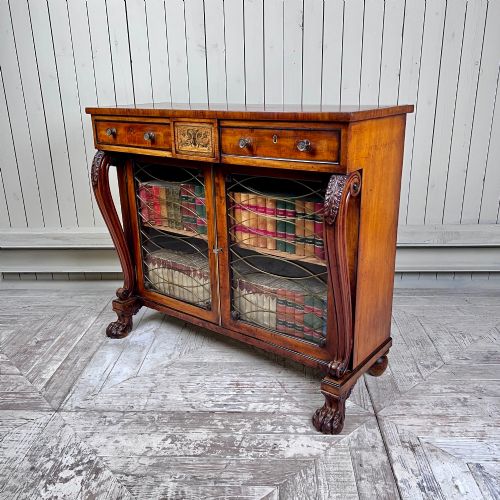
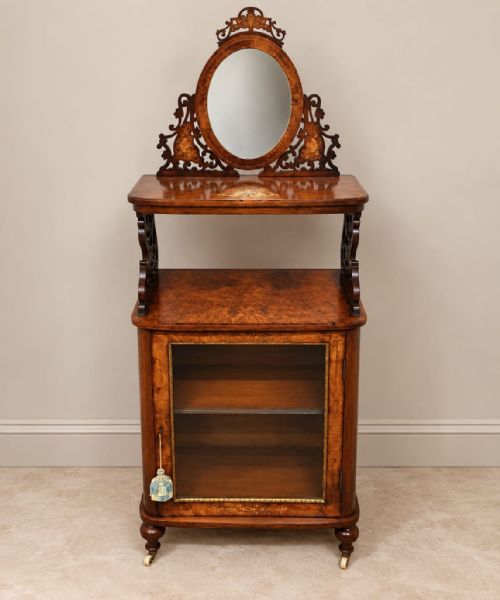
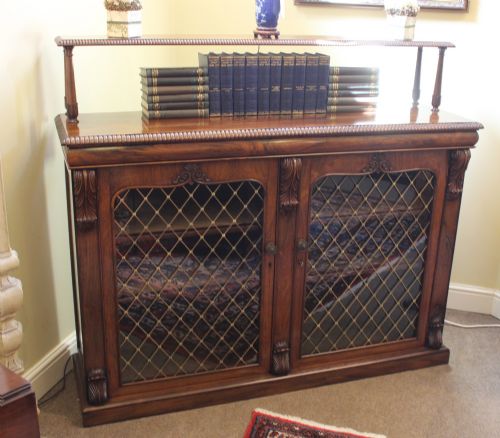
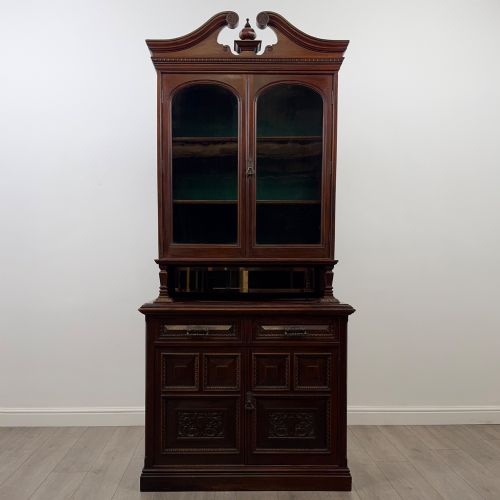


Antique Glazed Chiffonier
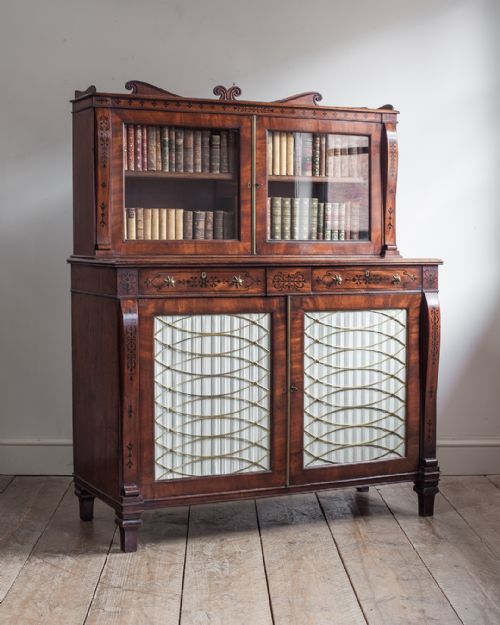
An antique glazed chiffonier brings together display and storage, offering enclosed shelving behind glass doors to showcase books or ceramics.
Antique Glazed Chiffonier
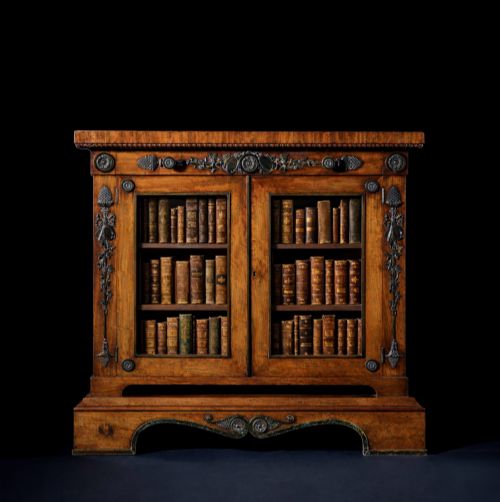
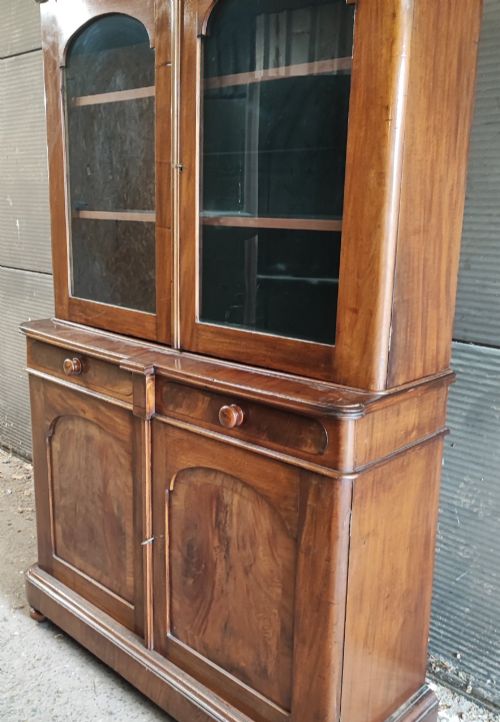
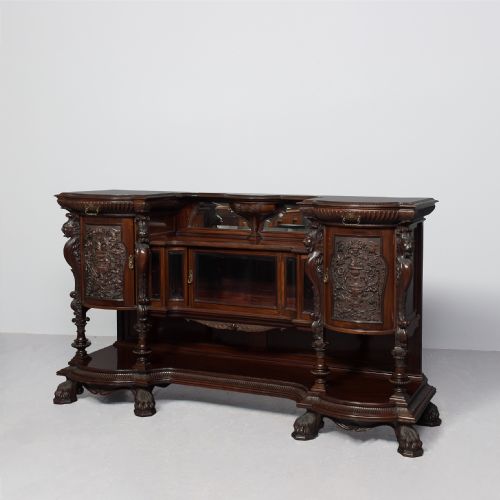
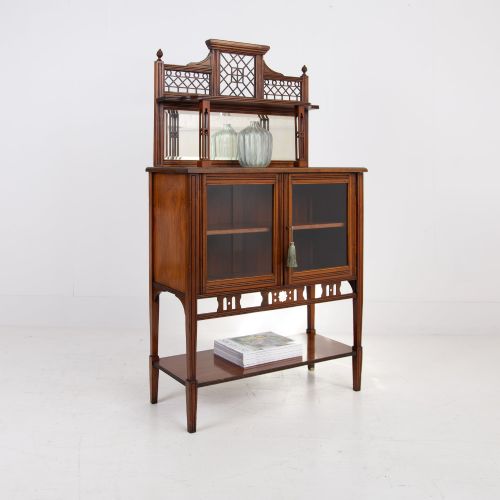
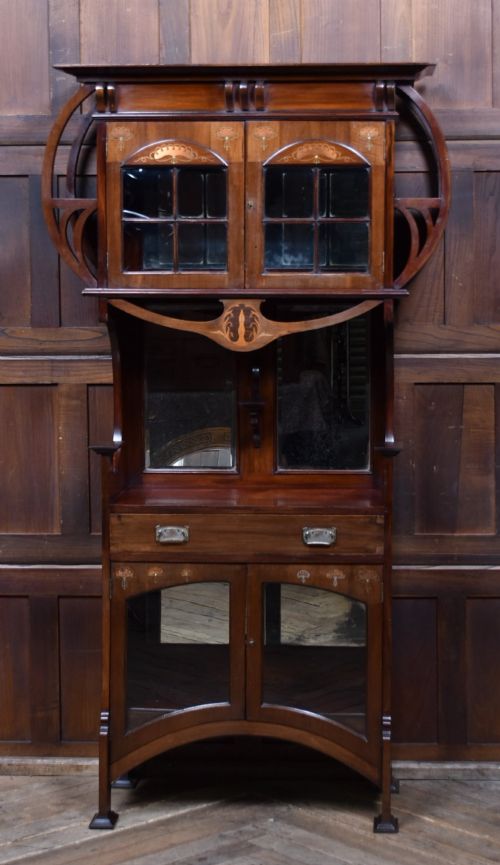
When you search for an antique glazed chiffonier, you encounter low timber cabinets designed for living and dining spaces, frequently incorporating glazed upper sections or mirrored backs. The pieces listed span the nineteenth century through the Edwardian era, taking forms such as side cabinets, credenzas, and small bookcase cabinets.
Regency and Victorian examples dominate the selection, often rendered in rich timbers like rosewood and mahogany. Makers and manufacturers of these periods adapted the form to serve as compact display units for domestic interiors.
How they were made
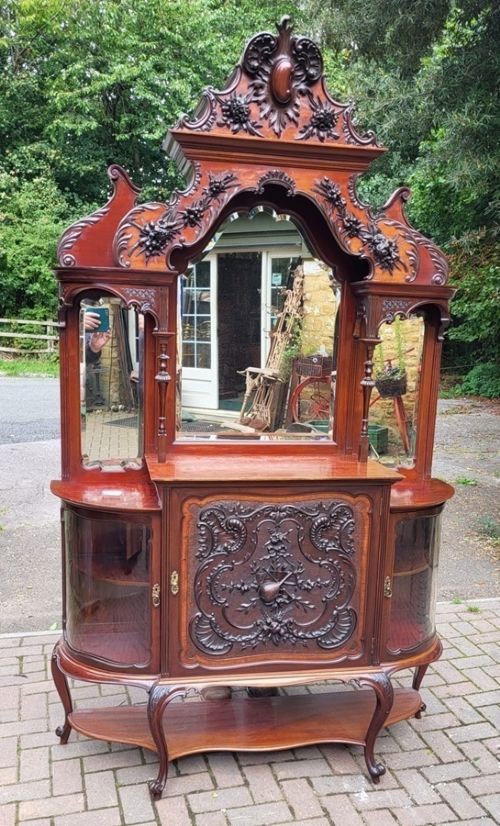
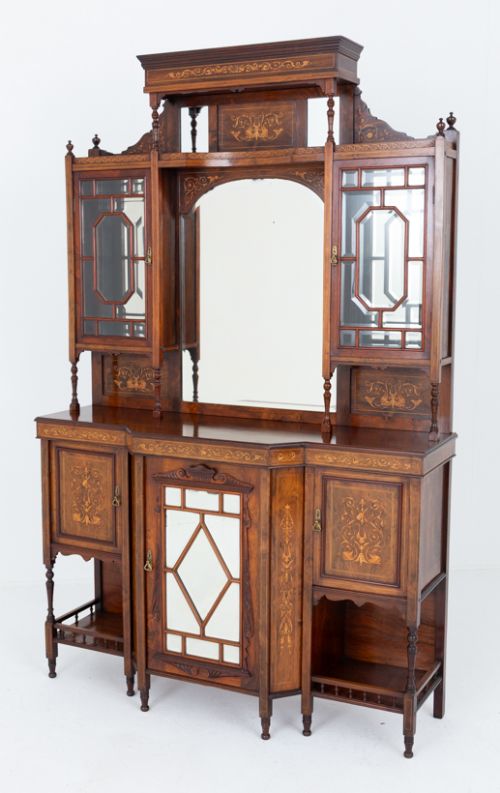
Cabinet makers utilised dense hardwoods including mahogany, walnut, and rosewood as foundational structures, often applying intricate marquetry, satinwood inlay, or brass and ormolu mounts. Glazed doors protect the interior shelving, while mirror glass frequently forms the backing of late Victorian pieces to reflect light.
Construction techniques involve precise joinery for cabinet bodies, paired with hand-carved ornamentation and polished timber surfaces that highlight the natural grain of the wood.
Listings feature woods spanning mahogany, rosewood, walnut, satinwood, and Swedish birch alongside brass, ormolu, and glass.
What varies in quality
The distinction between standard domestic furniture and exhibition pieces lies in the selection of timber veneers, such as burr walnut or figured rosewood, and the precision of inlaid work. Superior examples display refined proportions, original glass, and integrated bronze or brass mounts that remain securely seated in the woodwork.
Heavier carving and elaborate marquetry panels distinguish the late Victorian and Edwardian iterations from simpler Regency designs, where elegance depends entirely upon clean lines and the quality of the polished mahogany.
The Antique Glazed Chiffonier Glossary
- Chiffonier
- A low cabinet, typically featuring enclosed shelving below and sometimes a bookcase or mirrored superstructure above.
- Credenza
- A sideboard or cabinet, frequently raised on plinth feet and associated with mid-nineteenth-century reception rooms.
- Marquetry
- Decorative veneer patterns formed by fitting together small pieces of different coloured wood or other materials.
- Ormolu
- Gilded bronze used for decorative mounts and fittings on fine cabinetry.
- Palisander
- A dense, dark timber resembling rosewood, utilised for high-status nineteenth-century cabinetmaking.
Antique Glazed Chiffonier: Frequently Asked Questions
Where were antique chiffoniers placed?
These cabinets sat principally in dining rooms, morning rooms, and parlours, providing a practical surface for serving alongside enclosed storage for china or linens.
In later periods, smaller scaled versions moved into drawing rooms to function as display spaces for books and decorative objects.
How do I date an antique glazed chiffonier?
Dating relies upon observing the primary timber, decorative style, and hardware. Regency pieces favour clean mahogany or rosewood with brass inlay, whereas Victorian and Edwardian examples often introduce mirrored backs, heavier carving, and marquetry.
Construction methods inside the cupboards, such as hand-cut dovetails, also assist in confirming the period of manufacture.
Are glazed chiffoniers suitable for modern books?
Many antique chiffoniers and associated bookcase cabinets offer adjustable shelving depths suitable for modern volumes, though earlier Regency examples often feature shallower compartments designed for pocket editions.
Measuring the internal clearance depth before purchase ensures compatibility with larger hardback books.
What is the difference between a chiffonier and a credenza?
A chiffonier traditionally combines a low sideboard base with an upper tier or mirror, while a credenza is typically a low cabinet without a superstructure, often standing on a plinth.
Both forms utilise glazed doors for display, leading to considerable crossover in nineteenth-century terminology.