


Neoclassical Copperplate Engraving
A neoclassical copperplate engraving brings the severe symmetry and classical dignity of ancient Greece and Rome directly onto the domestic wall.
Neoclassical Copperplate Engraving
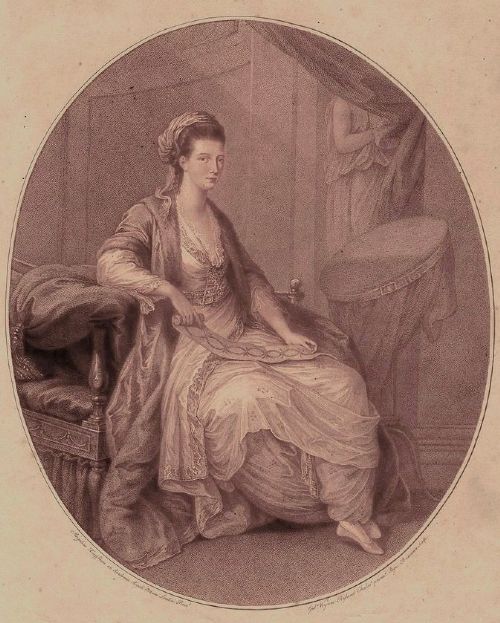
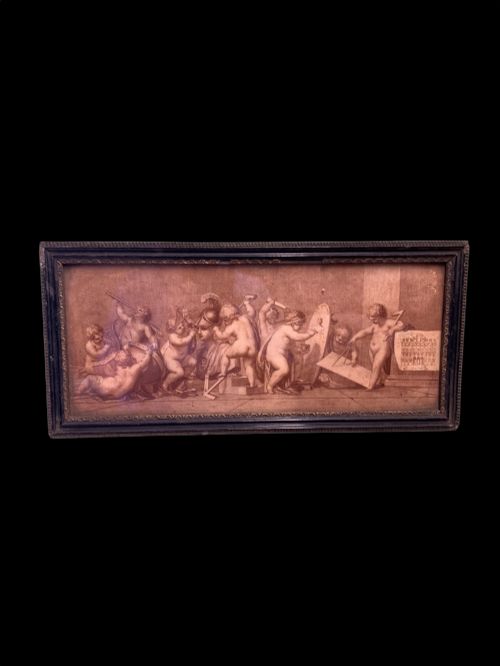
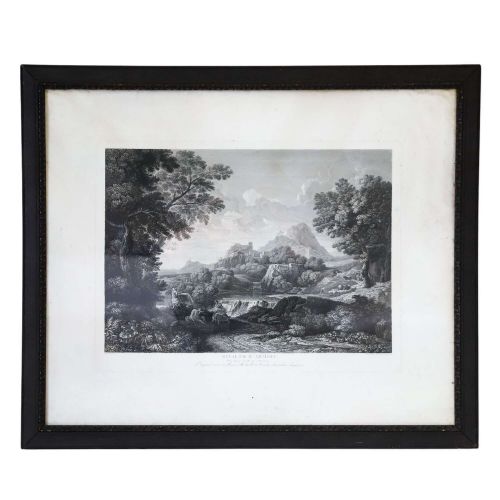
These works represent a distinct category of antique prints focused on classical architecture, mythology, and Roman antiquities produced primarily in the eighteenth century and around eighteen hundred. Collectors encounter architectural plates detailing Athenian temples, mythological portraits, and mythological scenes derived from grand tour observations.
The material form typically involves ink applied to paper, frequently preserved within period wooden frames alongside glass, gold leaf, and gilt accents. Subjects range from individual portraits of figures like the Duchess of Richmond to large sets depicting Vatican loggie designs and architectural ruins.
Most examples originate from British and continental European workshops, reflecting the deep eighteenth-century fascination with archaeological discoveries in Athens, Herculaneum, and Rome. Architectural prints dominate the selection, often appearing in uniform series documenting classical orders and antique statuary.
Technique and materials
Makers produced these prints by incising lines into a copper sheet with a sharp metal tool called a burin, then pressing inked plates onto paper under high pressure. This intaglio method allowed for extraordinary precision in rendering fine architectural hatching and classical drapery.
Publishers utilised high-grade laid or wove paper capable of holding minute ink details without degrading during the pressing process. Finished prints often received supplementary framing in timber housings, sometimes enhanced with gold leaf and protective glass panels.
Early print buyers often pasted these architectural plates onto folding screens so they could tour Athens from an armchair.
Judging print quality
Quality rests upon the crispness of the plate impression and the clarity of the line work left by the original engraver. Early impressions taken before the copper plate wore down exhibit sharp architectural contours and deep ink saturation, whereas later strikes appear grey and blurred.
The significance of the designer and the proficiency of the individual engraver dictate the standing of a plate within the field. Works executed by established printmakers after major architects or classical monuments command greater attention for their draughtsmanship and compositional balance.
Simon François Ravenet·Alessandro Mocchetti·Francesco Piranesi·James Basire·Edward Rooker·Giovanni Ottaviani
The Neoclassical Copperplate Engraving Glossary
- Copperplate
- A flat sheet of polished copper used in intaglio printing where lines are hand-incised with a burin. This metal medium permitted the rendering of fine architectural details.
- Intaglio
- A printing technique where the ink sits below the surface of the plate in carved grooves rather than upon a raised block. The heavy pressure required forces damp paper into the incisions.
- Neoclassical
- An artistic movement reviving the forms, proportions, and subjects of ancient Greek and Roman art. The style prioritises linear precision, symmetry, and architectural gravitas.
- State
- A stage in the development of a printed image determined by alterations made directly to the copper plate. Earlier states display cleaner lines before any later retouching occurs.
- Platemark
- The visible indentation left in the paper by the edge of the metal plate during the printing process. This impression confirms an authentic plate-printed origin.
Neoclassical Copperplate Engraving: Frequently Asked Questions
What subjects appear on these prints?
The imagery spans architectural elevations of ancient Athenian temples, mythological figures, and engravings of excavated Roman statuary.
Many plates record specific archaeological surveys and classical ruins documented during eighteenth-century European travels.
How should I frame an antique engraving?
Historic prints require conservation-grade mounting materials to prevent acid migration and paper degradation over time.
Keeping the work behind glass protects the fragile paper surface from atmospheric dust and moisture fluctuations in the room.
Are these prints from the eighteenth century?
The majority of pieces originate from the eighteenth century, aligned with the peak of neoclassical architectural publishing.
Some examples extend into the transitional period around eighteen hundred, retaining the same copperplate intaglio techniques.
How do I identify a genuine plate impression?
Genuine impressions display a distinct platemark depression around the printed image where the metal edge pressed into the paper.
The ink lines should sit slightly raised or embedded within the fibres rather than resting uniformly flat on top.