




18th Century Architectural Engraving
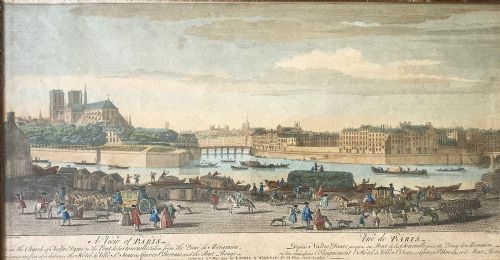
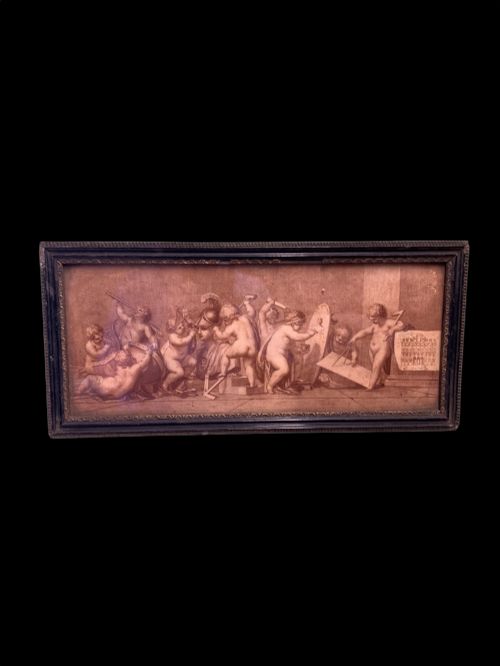
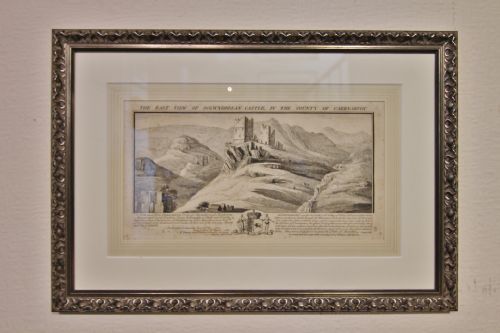
An 18th century architectural engraving captures classical antiquity and grand buildings on paper with ink, prized for framing as wall art.
18th Century Architectural Engraving
An 18th century architectural engraving represents historic buildings, classical antiquities, and decorative schemes on paper. These works document ancient sites such as the temples of Athens, Roman statues, and palace interiors.
Buyers encounter subjects ranging from individual temple facades to extensive series like the Vatican Loggie and the Antiquities of Athens. The selections include framed prints, large sheets, and curated sets.
Most examples originate from the Georgian and Neoclassical periods, produced during the height of the Grand Tour. These prints reflect contemporary fascination with classical Greece and Rome.
How They Were Made
Makers produced these works by incising lines onto printing plates using sharp tools, then applying ink to transfer the image onto paper. Many examples received supplementary hand colouring to enhance specific details of the architecture and figures.
Framed pieces utilise wood, glass, and gold leaf or gilt wood for the surrounding mounts. These protective frames secure the delicate paper sheets while displaying the fine art prints.
Several architectural plates quietly tuck mythical satyrs and winged gods behind ancient temple columns.
What Varies in Quality
The clarity of the printed line and the crispness of the architectural details separate superior impressions from worn examples. Plates used repeatedly over time produced softer lines than the initial strikes.
The presence of original hand colouring and the condition of the paper surface influence the visual impact. Intact margins and clean sheets retain greater historical integrity.
Francesco Piranesi·Giovanni Ottaviani·James Basire·Edward Rooker
The 18th Century Architectural Engraving Glossary
- Engraving
- A printmaking technique where an artist cuts lines directly into a metal plate with a burin. This method produces precise lines suitable for detailed architectural drawing.
- Etching
- A printmaking process using acid to bite lines into a metal plate before printing onto paper. Artists often combined this technique with engraving.
- Grand Tour
- The traditional journey through Europe undertaken by upper-class young men to study classical art and architecture. Travellers collected prints to document these sights.
- Neoclassical
- The prevailing style of the period drawing inspiration from the classical art and culture of ancient Greece and Rome. This aesthetic governed the design of buildings and decorative arts.
18th Century Architectural Engraving: Frequently Asked Questions
What is an 18th century architectural engraving?
These works are printed illustrations on paper depicting classical buildings, ancient ruins, and architectural details from the Georgian period. They served both as scientific records and decorative wall art for travellers.
Many examples derive from major publication projects documenting the antiquities of Athens and Rome. They preserve views of structures that have since changed or vanished entirely.
How were these prints used originally?
Wealthy patrons bound these engravings into large folio volumes or framed them to display on library and drawing room walls. They functioned as intellectual pursuits for those who studied classical history.
Collectors on the Grand Tour purchased these plates as souvenirs of their travels across Europe. The images allowed owners to bring classical architecture into domestic interiors.
How do I frame and live with them?
Protect these paper works behind glass with acid-free mounts to prevent damage from light and moisture. Hang them away from direct sunlight to preserve the ink and any hand colouring.
Pairing these prints with traditional wooden or gilt frames complements their Neoclassical origins. They suit studies, hallways, and living spaces where classical proportions are valued.
How do I tell different periods and types apart?
Examine the paper quality, plate marks, and stylistic lettering to determine the era of production. Works from the 18th century typically feature heavier laid paper and distinct textual captions beneath the image.
Subject matter also distinguishes the types, ranging from precise structural elevations of temples to decorative wall frescoes. Comparing the sharpness of the lines helps identify earlier impressions from later printings.