

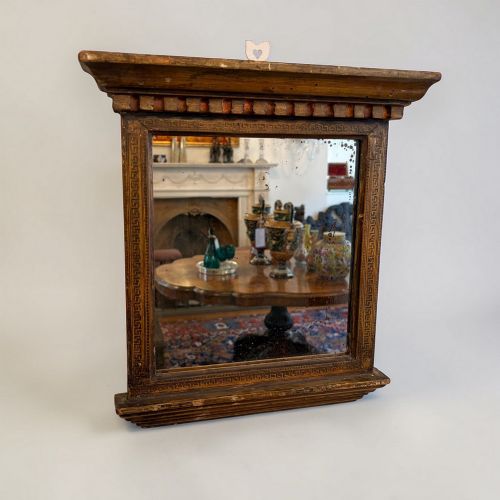
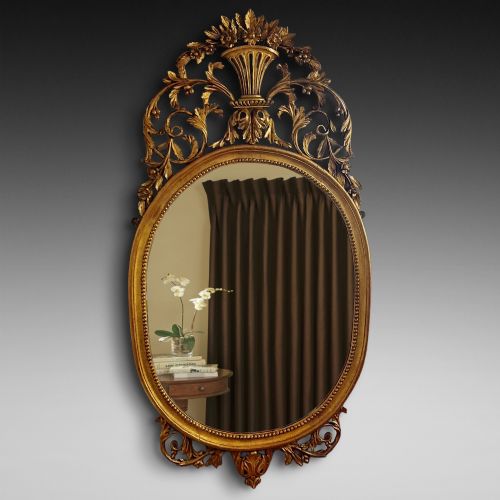
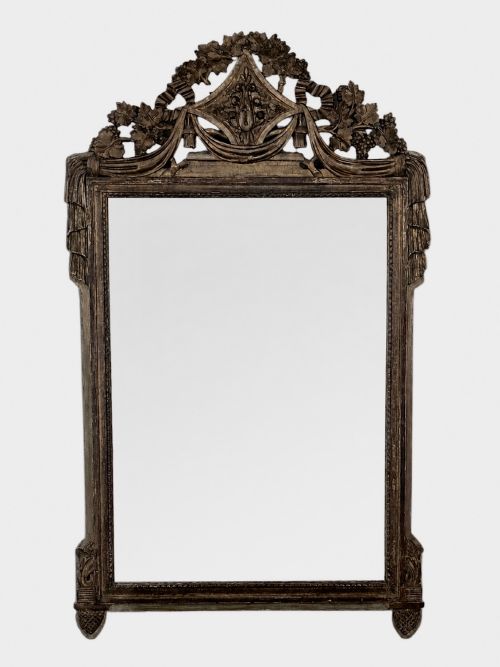
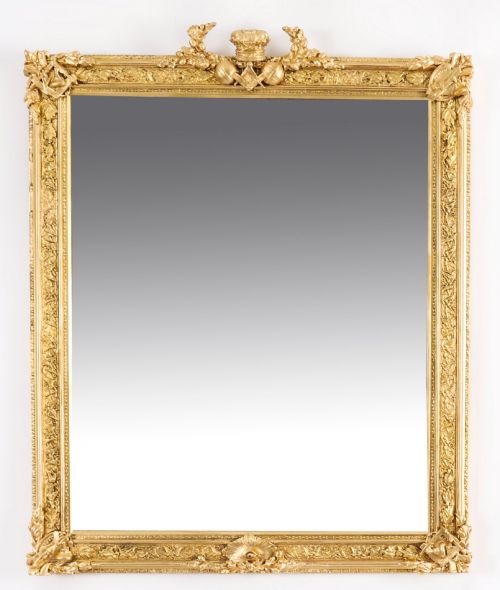
Neoclassical Carved Wood Mirror
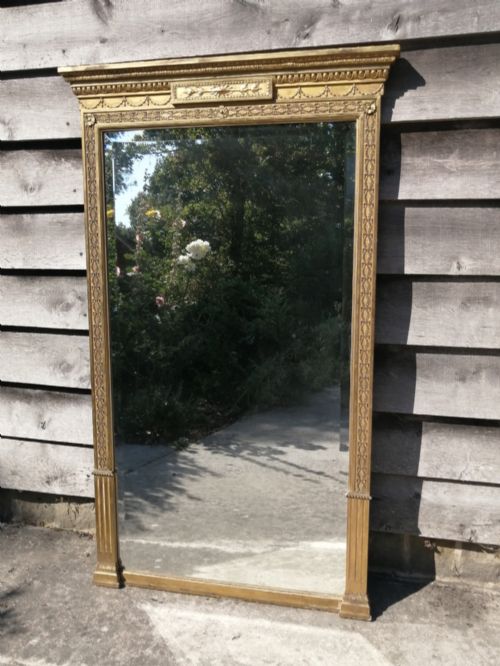
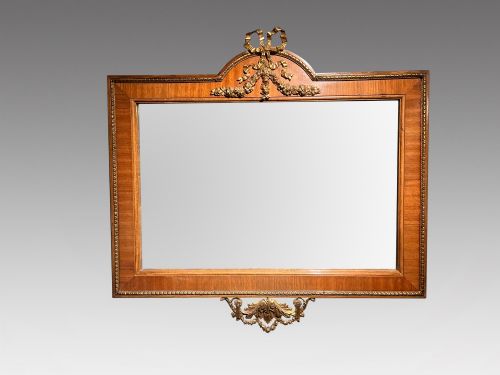
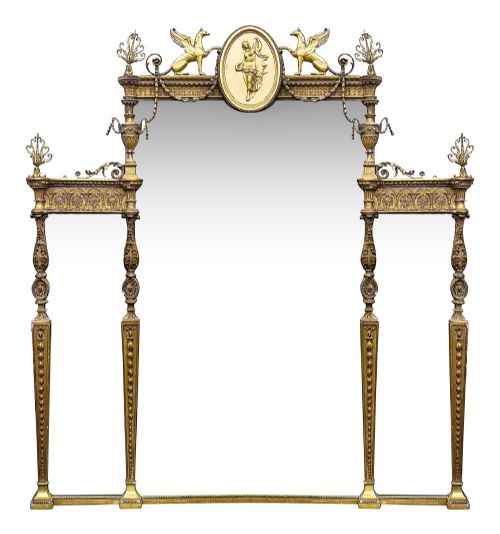
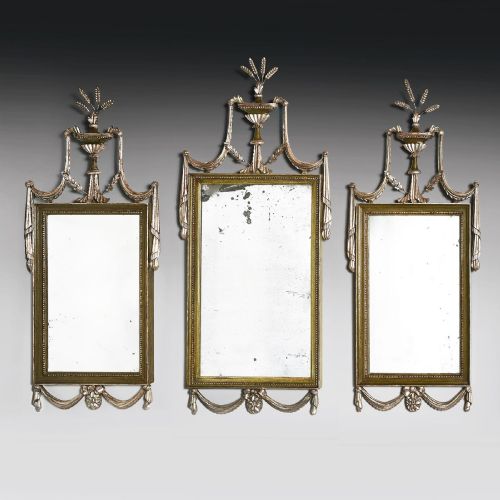
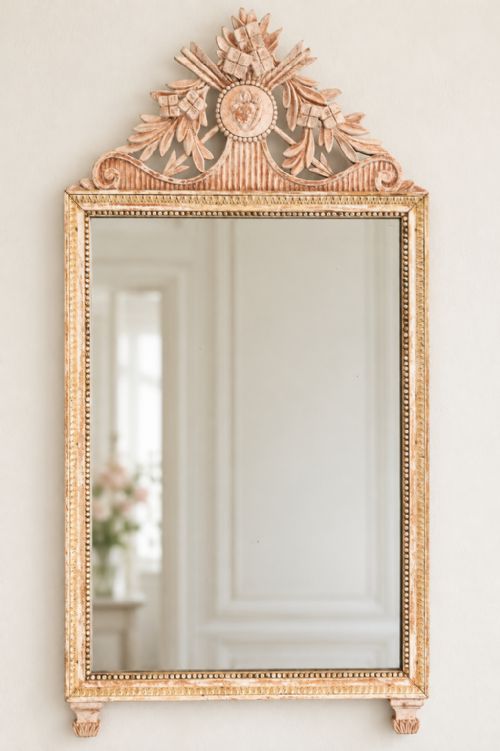
A neoclassical carved wood mirror brings classical restraint and gilt elegance to a room, drawing the eye with symmetrical motifs and refined wooden frames.
Neoclassical Carved Wood Mirror
A neoclassical carved wood mirror combines strict classical proportions with decorative wooden frames, designed to reflect light and anchor a formal room.
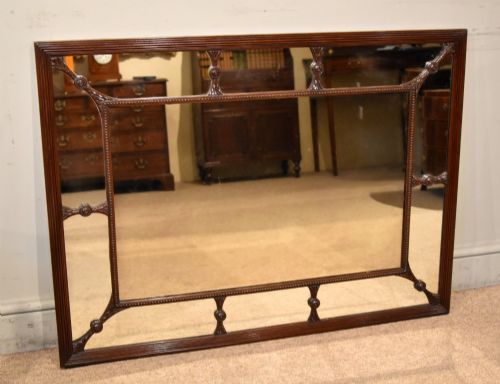
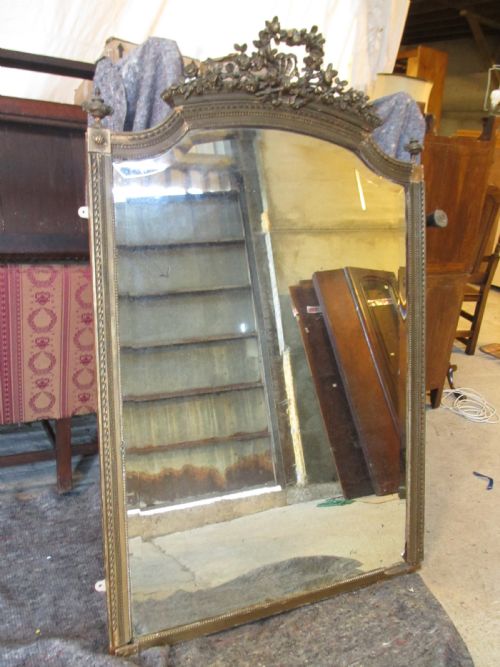
Buyers seeking this phrase encounter wall mirrors, overmantels, and pier mirrors originating from the eighteenth and nineteenth centuries.
French, English, Italian, and Swedish influences shape these pieces, appearing in George III, Regency, and Louis XVI styles.
How they were made
Carved wooden foundations, often pine or mahogany, receive layers of gesso to build up crisp surface detail before gilding or painting.
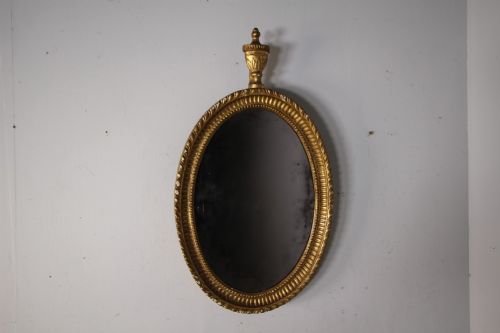
Gold leaf and parcel gilt finishes catch the light, while silvered or painted surfaces offer alternative decorative treatments.
Mirror glass is set within frames held together by traditional joinery and secured with carved wooden mouldings.
Neoclassical Carved Wood Mirror Retail Price Guide 2026
Typical asking prices for neoclassical carved wood mirror among the pieces listed under this phrase on Sellingantiques today, from the lower quarter to the upper quarter. They describe what is for sale here now, not the wider market.
One unexpected piece carries Masonic symbols within its giltwood frame, proving that even classical mirrors occasionally joined secret societies.
What varies in quality
The depth and crispness of the wood carving distinguish exceptional examples from simpler decorative frames.
The integrity of the original gesso and the purity of the gold leaf or paint application determine visual longevity.
The preservation of the original mirror glass and the stability of the structural frame define the integrity of the piece.
Gillows Of Lancaster
The Neoclassical Carved Wood Mirror Glossary
- Giltwood
- Wood coated with gold leaf or gold paint over a prepared gesso base. This finish provides a luminous and durable surface.
- Gesso
- A plaster mixture applied to wood frames to create a smooth surface for carving and gilding. It allows for sharp classical details.
- Trumeau
- A decorative wall mirror combined with a painted panel or oil painting above the glass. It frequently appears in French interiors.
- Pier Mirror
- A tall mirror designed to hang on the wall space between windows. It often sits above a console table.
- Overmantel
- A large mirror specifically proportioned to hang above a fireplace mantelpiece. These pieces dominate the wall space in principal rooms.
Neoclassical Carved Wood Mirror: Frequently Asked Questions
Where should a neoclassical carved wood mirror hang?
These mirrors suit formal reception rooms, hallways above console tables, or principal bedrooms where their classical lines can command attention.
Placing them opposite a window maximises natural light and enhances the proportions of the interior space.
How do I identify a George III mirror?
George III pieces display restrained classical ornamentation, symmetry, and meticulous hand-carved wooden details finished in giltwood.
They reflect the architectural interests of the period, drawing on ancient Greek and Roman motifs.
What is a trumeau mirror?
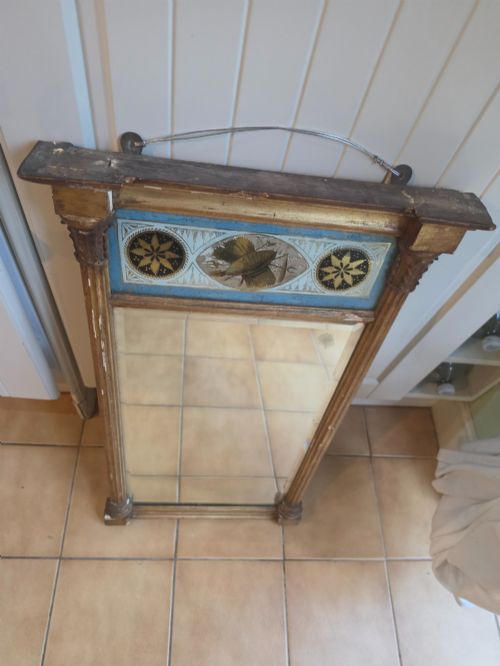
A trumeau incorporates a mirror plate beneath a decorative painted or carved panel within a single unified frame.
Originating in French interior design, it serves as a prominent architectural wall feature.
Are these mirrors heavy to hang?
Solid wooden frames combined with gesso, glass, and iron or brass hardware make these pieces substantial in weight.
Secure wall fixings and professional installation are essential to support the load safely.