
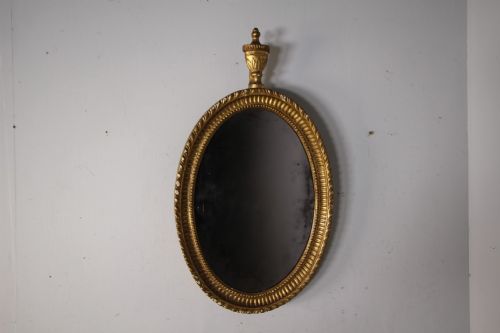
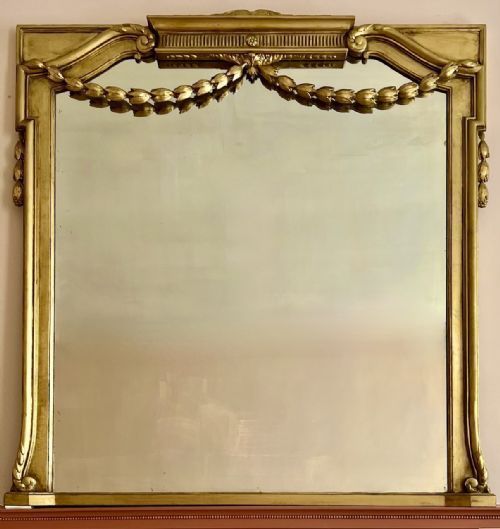
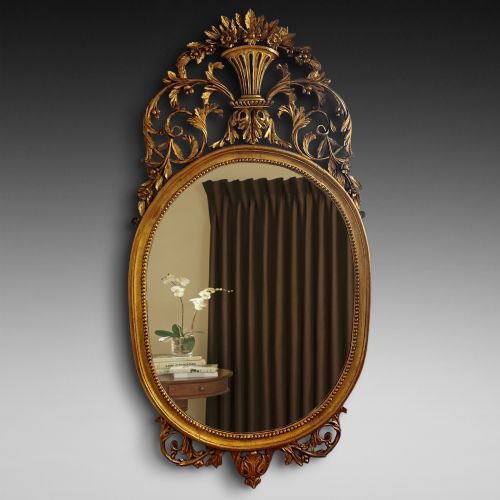
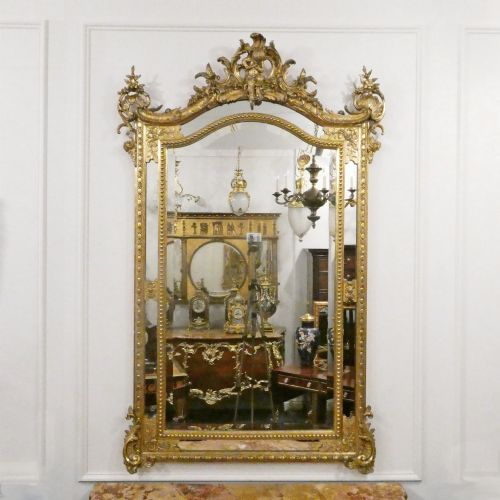
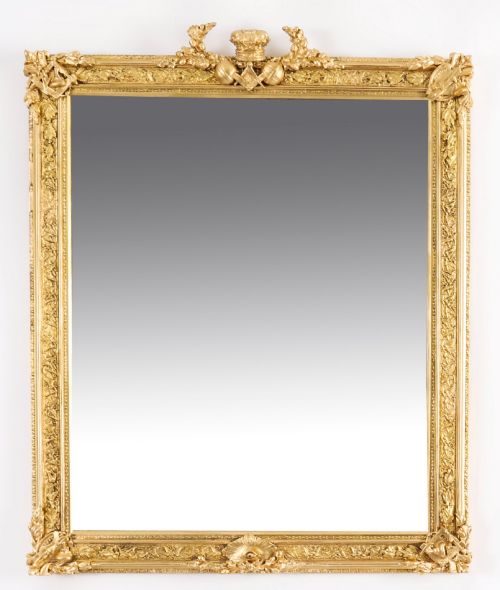
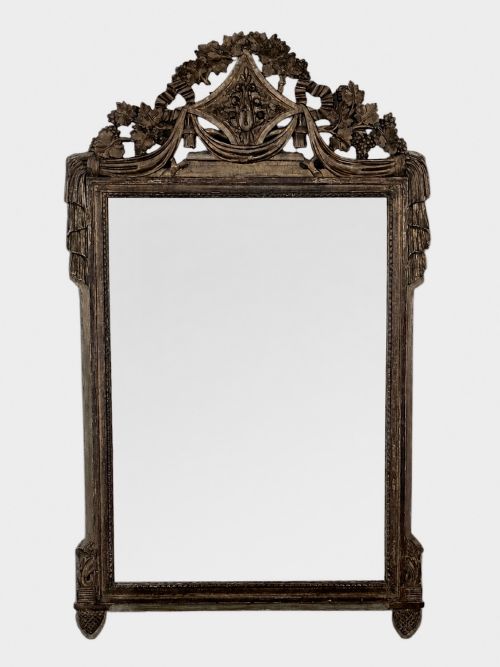
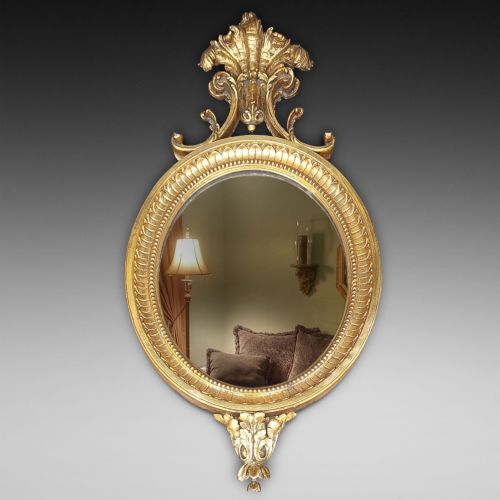
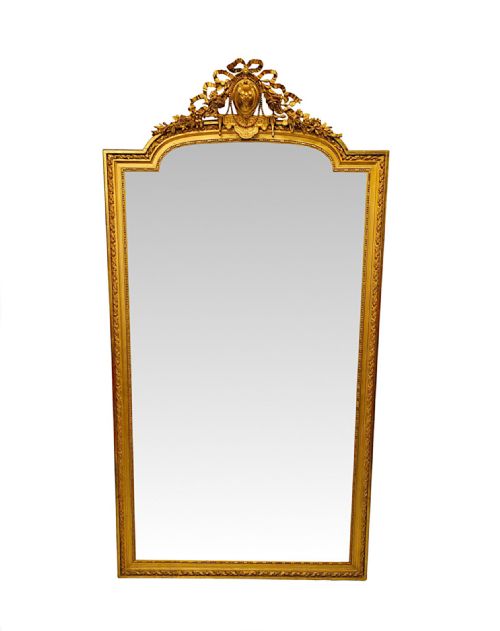
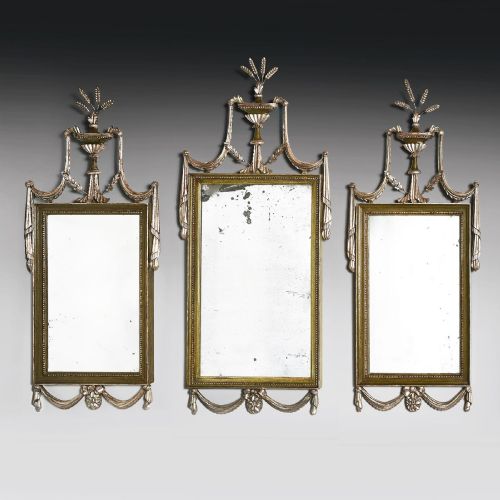

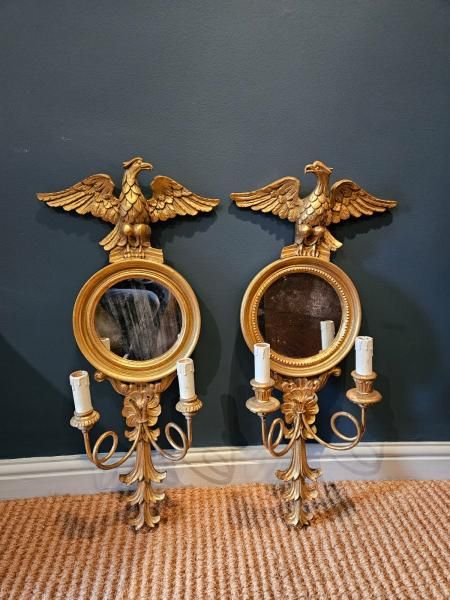
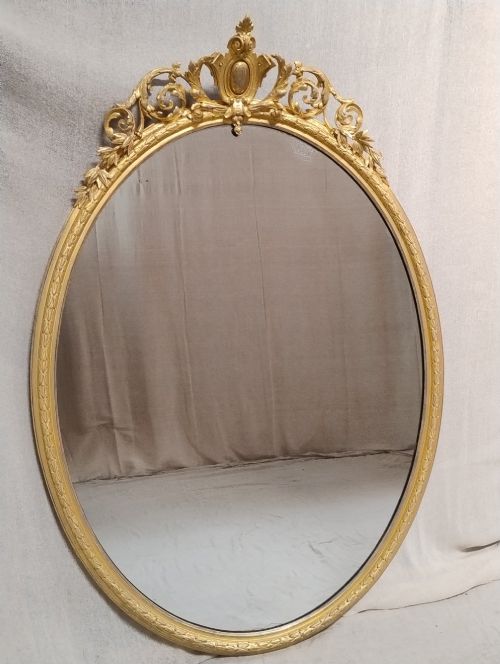
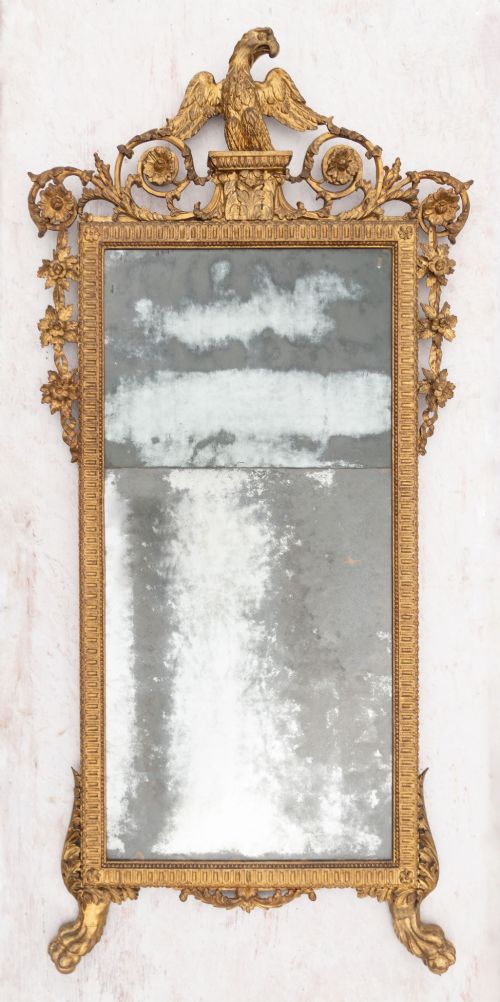
Neoclassical Carved Wall Mirror
A neoclassical carved wall mirror brings architectural symmetry and refined proportion to a room, drawing the eye with crisp classical ornament.
Neoclassical Carved Wall Mirror
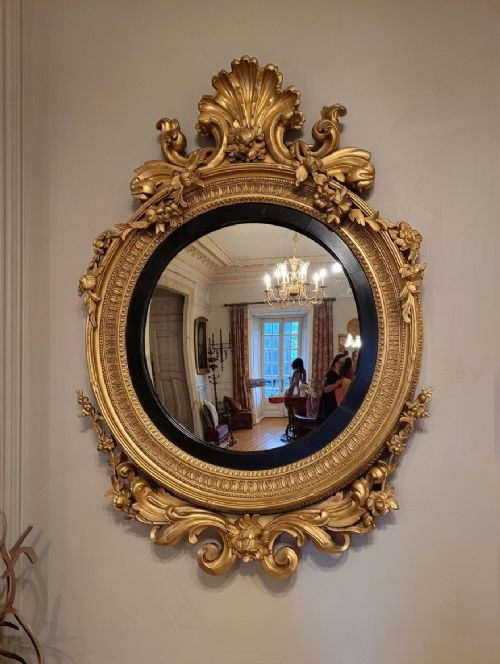
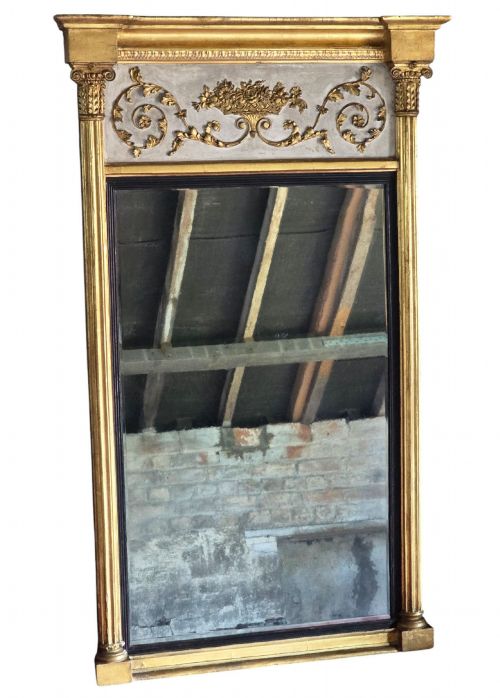
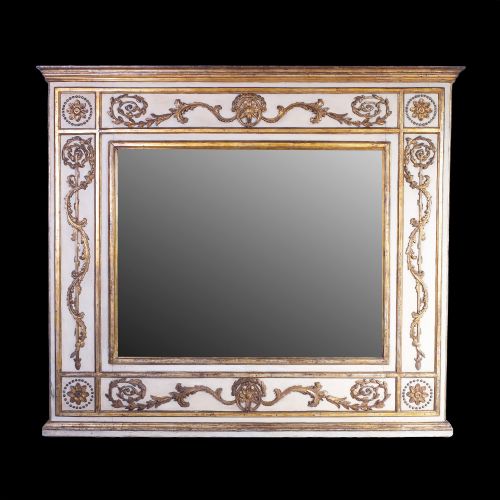
When you search for a neoclassical carved wall mirror, you encounter pieces designed to anchor a room with classical order, symmetry, and restrained ornament. These objects take the form of vertical wall mirrors, horizontal overmantels, pier glasses, and girandoles.
The versions most frequently met on this page date from the eighteenth and nineteenth centuries, reflecting Georgian, Regency, and Louis XVI periods. English and French workshops dominate the selection, alongside Italian and Swedish interpretations.
Makers and designers of these centuries drew heavily on ancient Greek and Roman motifs, resulting in frames adorned with urns, swags, paterae, and laurel leaves. They served both to reflect natural light in grand reception rooms and to balance the architectural scheme above a fireplace.
Materials and Construction
Carvers shaped frames primarily from softwoods such as pine, or hardwoods, applying layers of gesso to build up the intricate relief details before gilding. Gold leaf provided a luminous surface, sometimes paired with painted or parcel-gilt finishes.
Many of the earliest examples utilise mercury glass plates, which display a characteristic mottled dark depth distinct from modern float glass. Later nineteenth-century pieces often feature original bevelled mirror glass held within giltwood and composition mouldings.
Listings feature pieces spanning the eighteenth, nineteenth, and early twentieth centuries, encompassing Georgian, Regency, and Louis XVI styles.
Judgments of Quality
Quality rests in the crispness of the hand-carving and the depth of the gesso relief, where sharper detailing denotes superior workshop output. Mass-produced composition ornaments lack the undercut precision found on better eighteenth and nineteenth-century frames.
The harmony of the proportions dictates the visual success of the piece, separating standard domestic mirrors from grand salon furnishings. Preservation of the original gilding and the character of the early mirror plate further elevate the standing of an individual wall glass.
Gillows Of Lancaster
The Neoclassical Carved Wall Mirror Glossary
- Giltwood
- Wood that has been coated with a thin layer of gold leaf over a prepared gesso base. This technique creates a rich, warm metallic surface that catches candlelight and daylight.
- Gesso
- A plaster-like mixture applied to wood frames to provide a smooth surface for gilding or to be moulded into relief decoration. It allows carvers to achieve fine detail.
- Mercury Plate
- A type of mirror glass manufactured using a tin and mercury amalgam before the invention of the modern silvering process. It often exhibits subtle foxing and a deep, uneven reflection.
- Overmantel
- A large mirror designed specifically to hang on the wall directly above a fireplace mantelpiece. These horizontal formats balanced the visual weight of the hearth.
- Girandole
- A decorative wall mirror fitted with attached candle sconces that project forward from the frame. The reflective glass multiplied the candlelight in darkened rooms.
Neoclassical Carved Wall Mirror: Frequently Asked Questions
How do I hang a heavy overmantel mirror?
These substantial frames require professional wall fixing into structural studs or masonry rather than relying on standard picture hooks. Weight distribution across multiple secure points protects both the wall and the antique timber.
Ensuring the fixings match the load capacity of the specific wall type prevents movement over time. Consulting a specialist installer is recommended for large nineteenth-century giltwood pieces.
What is mercury glass?
Mercury glass is an older type of mirror plate made using a tin and mercury backing technique rather than modern chemical silvering. This method yields a softer, darker reflection with occasional mottled dark spots.
Collectors prize these plates for the authentic historical atmosphere they impart to an eighteenth or nineteenth-century frame. The presence of original mercury glass often confirms the early date of a piece.
How do I clean an antique giltwood frame?
Dusting gently with a very soft, dry brush or feather duster is the safest method to remove surface particles without disturbing the delicate gold leaf. Moisture and commercial cleaning sprays can strip the historic gesso and gilding.
Avoiding abrasive cloths preserves the fragile metallic surface and the underlying preparation layers. Professional conservation is advised for heavily soiled or damaged frames.
Are these mirrors suitable for bathrooms?
High humidity and fluctuating temperatures in bathrooms can damage historic gesso, crack old wood, and accelerate the deterioration of original mirror plates. Placing them in drier reception rooms, halls, or bedrooms ensures their long-term preservation.
Ambient moisture causes the gesso ground beneath gold leaf to swell and flake off over time. Dry interior environments maintain the structural integrity of antique frames.