


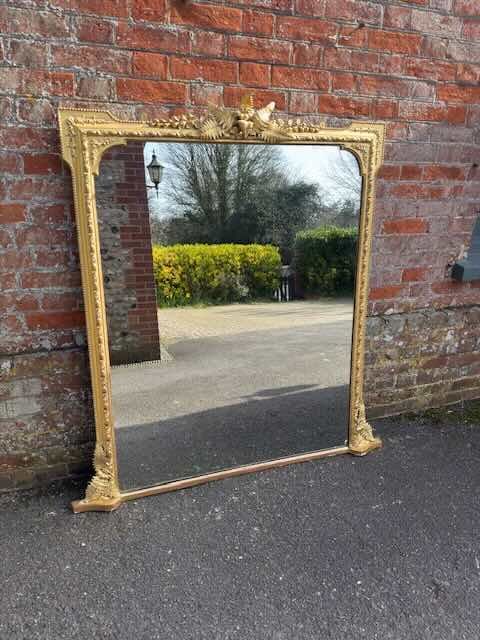


French Decorative Mantle Mirror
These large, ornate looking glasses bring light and depth to a room, and a french decorative mantle mirror is shaped specifically to sit grandly above a fireplace.
French Decorative Mantle Mirror
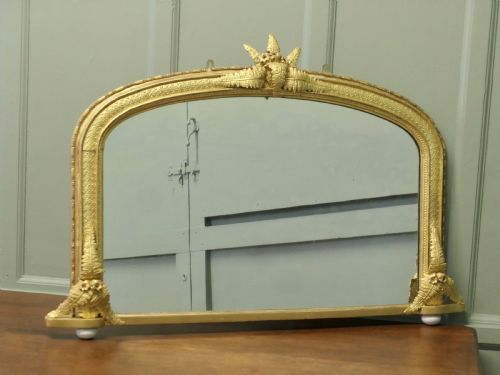
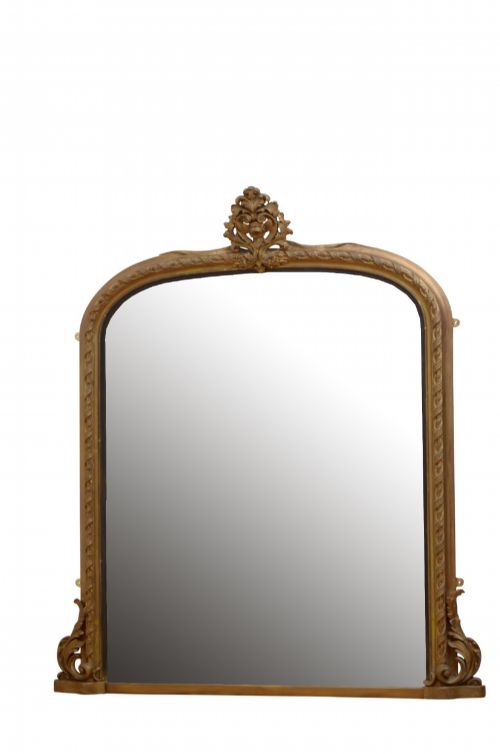
A french decorative mantle mirror primarily takes the form of a substantial overmantel piece, designed to anchor the wall space above a chimney breast. These items span periods from the eighteenth century through to the early twentieth century, reflecting enduring aesthetic preferences.
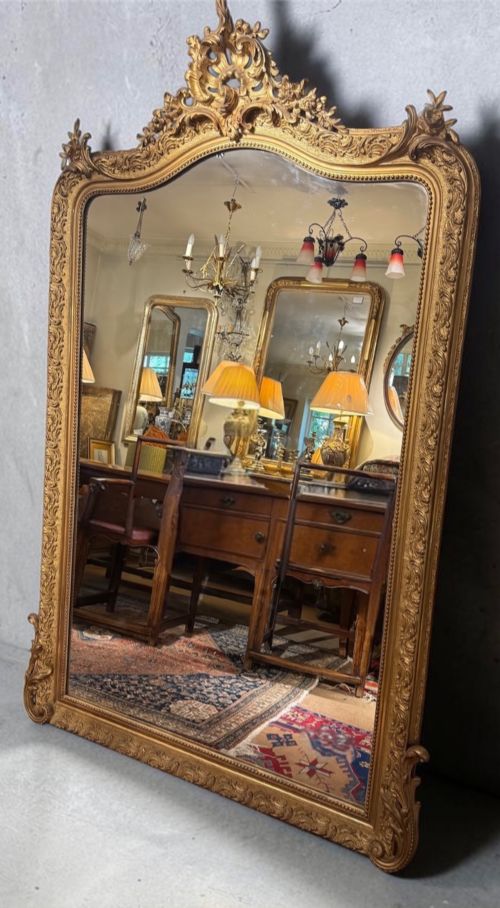
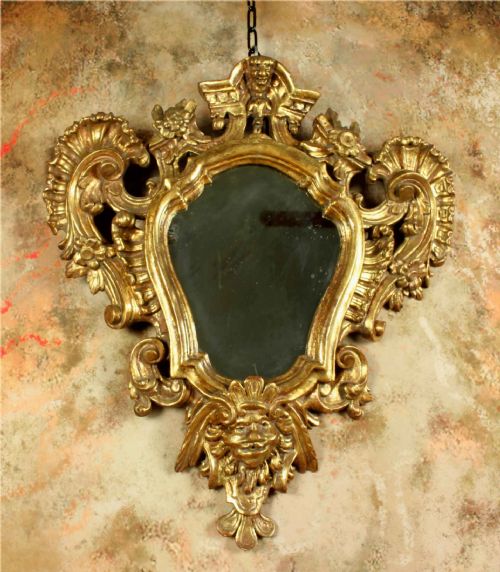
Originating largely from nineteenth-century workshops, these mirrors incorporate styles running from Rococo Revival and Louis XVI to clean architectural lines. Buyers encounter pieces finished in gleaming gold leaf or muted painted surfaces designed to catch the ambient light.
How they were made
Carved wood provides the structural core for many examples, often built from timber such as oak or pine before receiving decorative treatment. Artisans applied layers of gesso to the wooden base to build up intricate relief ornaments, scrolls, and floral motifs.
Gold leaf application required meticulous hand-gilding techniques to adhere beaten gold to the prepared gesso ground, creating a brilliant reflective surface. Alternatively, composition ornament mouldings were pressed and applied to frames to achieve complex ornamentation efficiently.
Glass plates were silvered by hand or through early chemical processes, sometimes featuring marginal bevelling or etched designs that add visual complexity. Painted finishes, including ebonised details and cream overpainting, were frequently layered over the gilt or wood foundation.
Listings feature periods spanning from the eighteenth century to the twentieth century, with nineteenth-century examples forming the majority.
What varies in quality
The depth and crispness of the carved wood or moulded gesso relief dictate the visual weight and sophistication of the frame. Superior examples display sharp, hand-tooled detailing on foliage and crests, whereas lesser pieces rely on softer, repetitive composition stampings.
The integrity of the reflective glass plate and its original backing contribute significantly to the character and authenticity of the object. High-grade items retain substantial antique glass with appropriate patination, while replacement plates alter the historic balance of the piece.
The French Decorative Mantle Mirror Glossary
- Overmantel mirror
- A large wall glass specifically designed to hang or stand on the mantelpiece above a fireplace. These frames are typically wide and low to match the proportions of the hearth.
- Trumeau mirror
- An interior decorative panel that incorporates a painted scene or carved wooden relief above the glass plate. This architectural feature was popular in high-status French interiors.
- Gesso
- A plaster-like mixture applied to wood frames to create a smooth surface for gilding or carving. It allows craftsmen to model intricate three-dimensional decorative details.
- Giltwood
- Timber that has been coated with thin sheets of gold leaf. This technique produces a rich, durable metallic finish that reflects candlelight effectively.
- Rococo Revival
- A nineteenth-century design style characterised by asymmetrical scrolls, shell motifs, and naturalistic curves. It draws inspiration from earlier eighteenth-century French aesthetics.
French Decorative Mantle Mirror: Frequently Asked Questions
How do I hang a heavy overmantel mirror?
These massive frames require secure anchoring directly into masonry or heavy wall studs using rated brackets. Professional installation is strongly advised due to the substantial combined weight of timber, gesso, and glass.
Resting the frame partly on the mantelpiece while securing the top to the wall provides additional structural support. This distributes the weight safely and prevents tipping.
How do I clean antique gilded frames?
Dusting gently with a dry, soft brush prevents the accumulation of dirt without disturbing the delicate gold leaf surface. Moisture and modern chemical cleaners will strip or damage historic water-gilt and composition finishes.
Glass plates can be wiped carefully using a minimal amount of glass cleaner applied to a cloth first. Care must be taken to avoid letting liquid seep behind the frame edge.
Are the mirror plates original?
Antique glass often displays characteristic foxing, minor pitting, and dark spots caused by the degradation of the backing over generations. These subtle imperfections confirm the historic nature of the plate rather than detracting from its appeal.
Clear, flawless reflections on a nineteenth-century frame frequently indicate a modern replacement glass. Examining the edges behind the rebate reveals how the plate is secured.