



Neoclassical Bronzes
Neoclassical bronzes bring classical figures, urns and lighting into a room through cast metal and gilt surfaces.
Neoclassical Bronzes
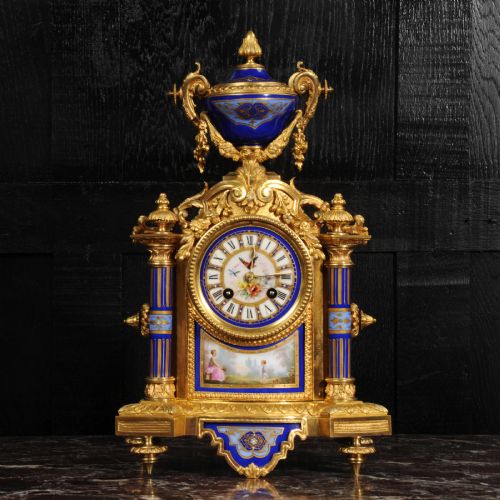
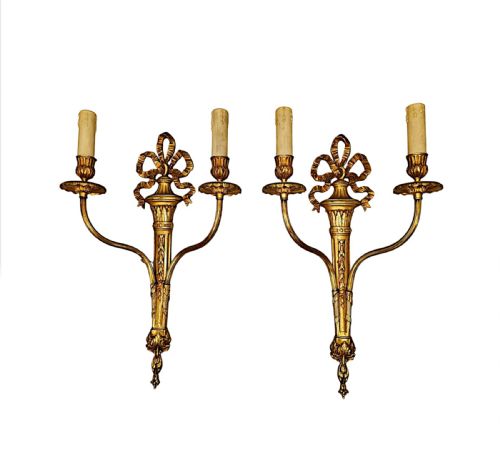
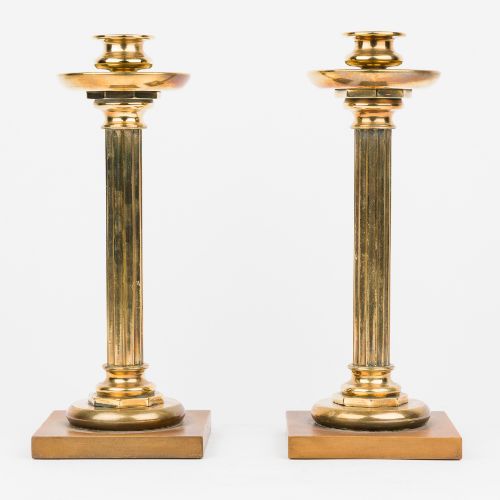
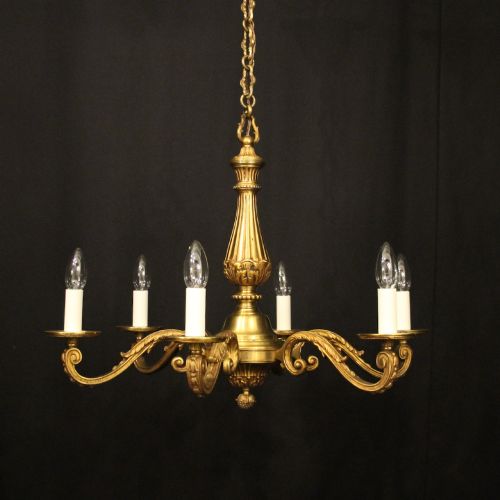
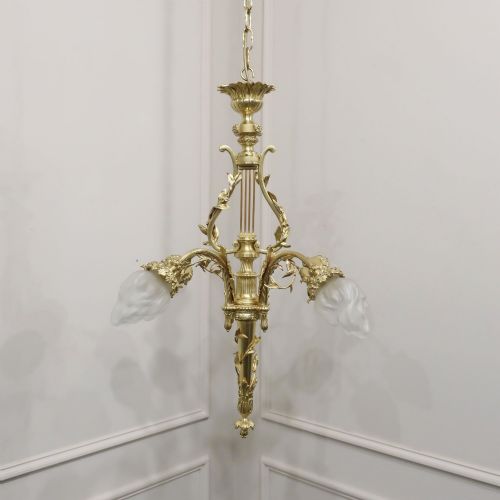
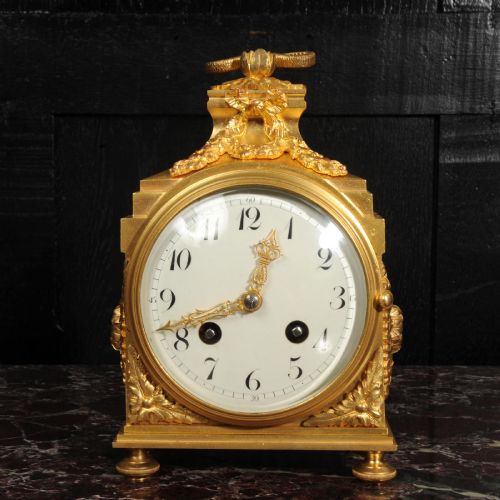
When you search for neoclassical bronzes, you encounter sculptures, candelabra, wall sconces and mantel clocks shaped by classical antiquity and later revivals. These pieces draw on French Empire, Louis XVI and Grand Tour traditions, reflecting ancient Greek and Roman motifs.
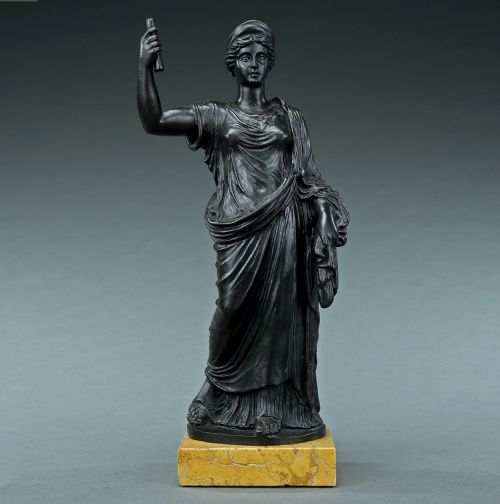
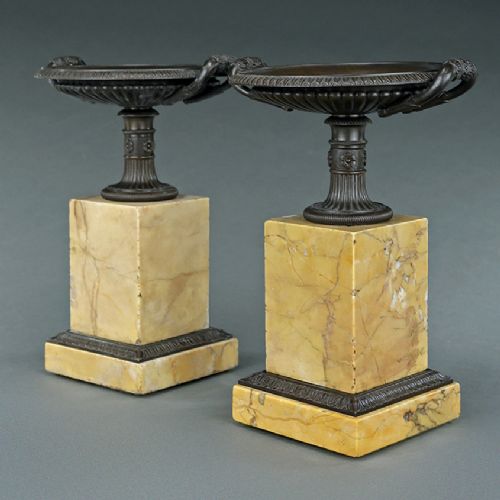
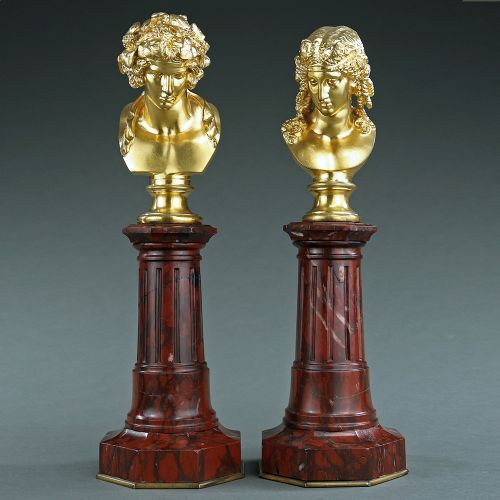
The objects span the eighteenth, nineteenth and early twentieth centuries, with nineteenth-century pieces appearing most frequently. Figures of mythological subjects, such as Juno, Venus and dancing fauns, sit alongside decorative urns, tazzas and lighting.
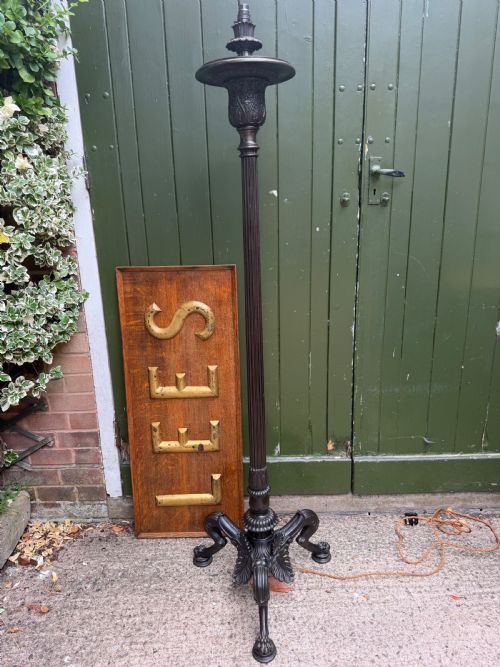
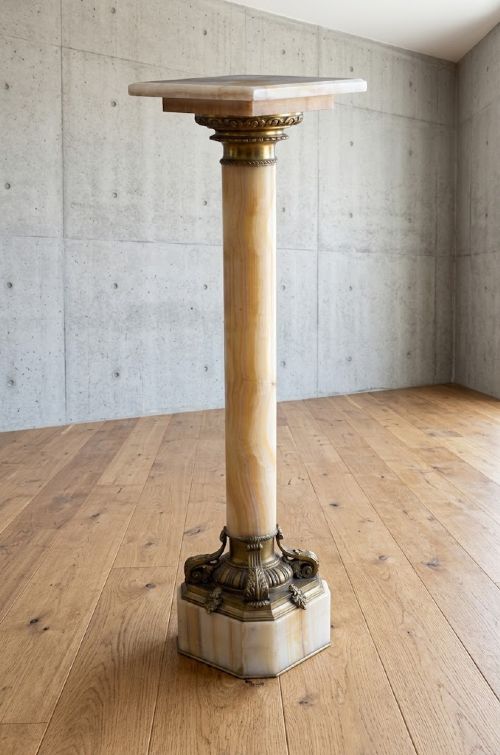
Makers and foundries including Ferdinand Barbedienne and Etienne-Henri Dumaige produced cast figures and utilitarian items for domestic interiors. Many items combine cast metal with marble bases or onyx columns, linking decorative metalwork with stone.
Assessing Quality and Execution
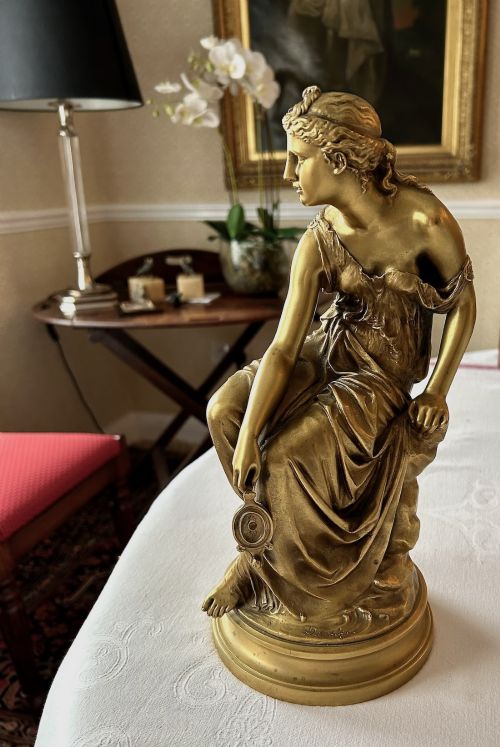
The crispness of the casting determines how well facial expressions, musculature and ornamentation emerge from the metal. Finer pieces show sharp chiselling and finishing work after casting, preserving delicate lines in hair, garlands and classical drapery.
The application of ormolu or gilding influences the surface longevity and visual depth of the object. Uniformity in the patination and the integration of secondary materials like marble or porcelain distinguish standard workshop production from master foundry work.
Listings feature 19th Century, 18th Century and 20th Century periods alongside styles from French Empire to Grand Tour.
Etienne-Henri Dumaige·Ferdinand Barbedienne·Charles à Orléans·E F Caldwell New York·François Linke·Francois Redmond
The Neoclassical Bronzes Glossary
- Ormolu
- Gilt bronze produced by applying a finely ground mercury and gold amalgam to bronze, then heating to drive off the mercury. This technique creates a durable golden finish seen on French furniture mounts, clocks and candelabra.
- Grand Tour
- A traditional trip through Europe undertaken by young upper-class men in the eighteenth and nineteenth centuries to study classical art. Souvenirs purchased on these journeys included small bronze sculptures and architectural models.
- Tazza
- A shallow saucer-like dish mounted on a stem and foot, often fashioned in bronze or marble. They were used as decorative tableware or centrepieces in classical and neoclassical interiors.
- Chenets
- Decorative metal fire dogs placed at the hearth to support logs. Neoclassical examples often feature cast bronze figural or architectural designs.
- Patination
- The surface coloration of metal produced by age, chemical treatment or wear. In bronzes, a controlled patina ranges from deep brown to green tones.
Neoclassical Bronzes: Frequently Asked Questions
What are neoclassical bronzes?
These pieces are cast metal sculptures, lighting fixtures and decorative objects inspired by ancient Greek and Roman art. They include figures of mythological subjects, mantel clocks and candelabra produced mainly during the nineteenth century.
Craftsmen drew directly from classical antiquity and later revivals such as the French Empire and Louis XVI styles. The category encompasses both cabinet sculptures and functional domestic items.
How were grand tour bronzes used?
Grand tour bronzes served as souvenirs and educational mementos for travellers returning from Italy and France. Collectors displayed them in libraries, studies and drawing rooms to signal classical learning and taste.
These small-scale figures and busts replicated famous antique sculptures found in European museums and archaeological sites. They brought classical antiquity into nineteenth-century domestic interiors.
How do I clean gilt bronze?
Gilt bronze requires gentle dusting with a soft, dry brush to prevent dirt accumulation in crevices. Avoid abrasive cleaners, water and chemical polishes that can strip the delicate gold layer or damage the underlying metal.
Professional conservation is recommended for pieces showing tarnish or structural instability. Regular, careful maintenance preserves the original surface finish.
How do I distinguish 18th and 19th-century pieces?
Eighteenth-century items often exhibit hand-chased surface details and specific alloy compositions typical of earlier French foundries. Nineteenth-century revival pieces frequently employ machine assistance alongside traditional casting methods.
Stylistic cues, such as the specific interpretation of Louis XVI or Empire motifs, help indicate the period of manufacture. Comparing the patination and assembly methods provides further context for dating.