




Neoclassical Bronze Bowl
These neoclassical bronze bowls bring classical antiquity into the home, offering heavy patinated metal and marble forms that anchor a room.
Neoclassical Bronze Bowl
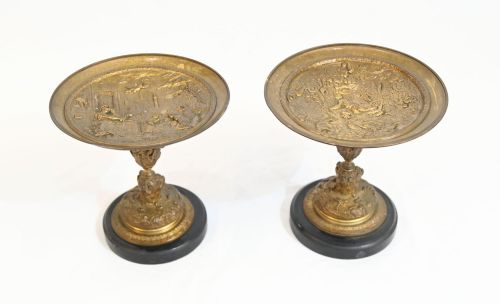
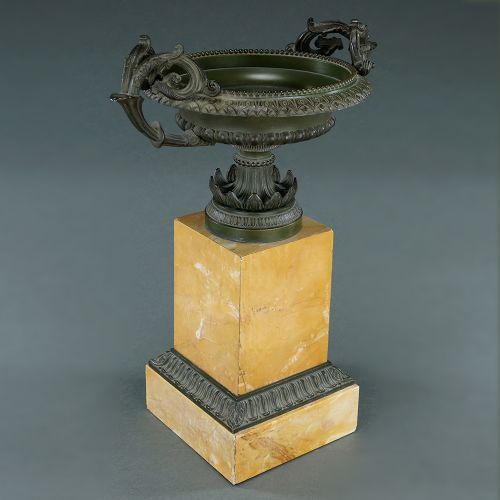
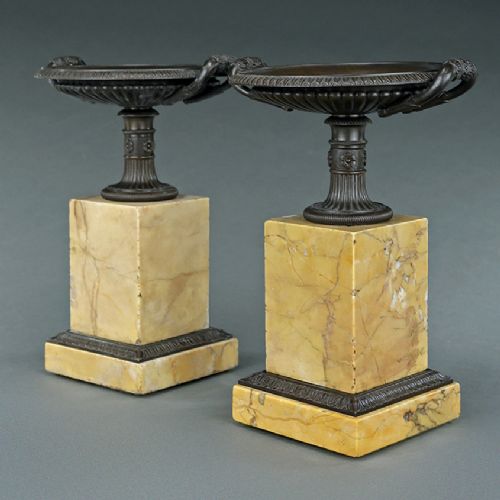
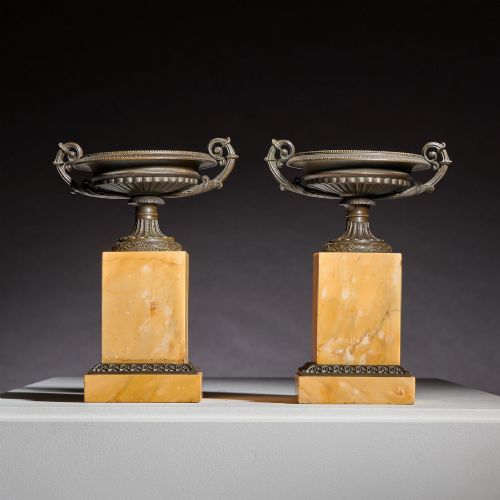
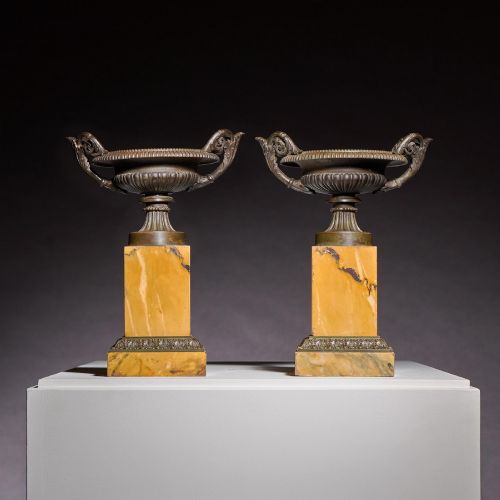
A neoclassical bronze bowl typically appears as a tazza, centrepiece, or footed vessel shaped by nineteenth-century French and Italian makers.
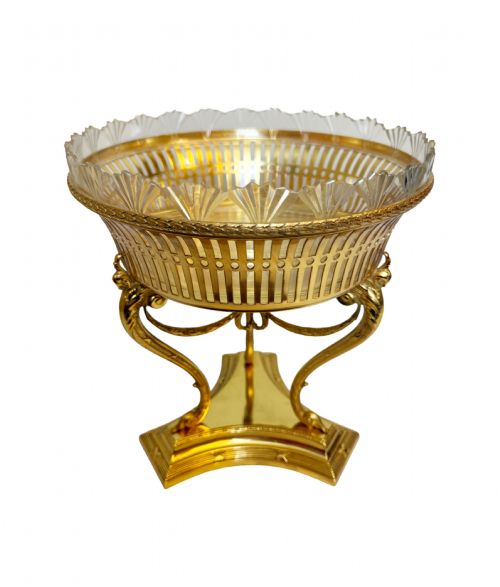
Most examples combine patinated or gilt bronze with contrasting marble bases, frequently drawing on Grand Tour souvenirs and Empire style motifs.
The form ranges from shallow ornamental dishes with twin handles to large pedestal bowls supported by classical details.
Materials and construction
Craftsmen cast the metal components in bronze, applying fire gilding or dark patination to create the desired surface finish.
Many pieces incorporate turned marble plinths, such as Siena marble and black marble, secured beneath the metal structure.
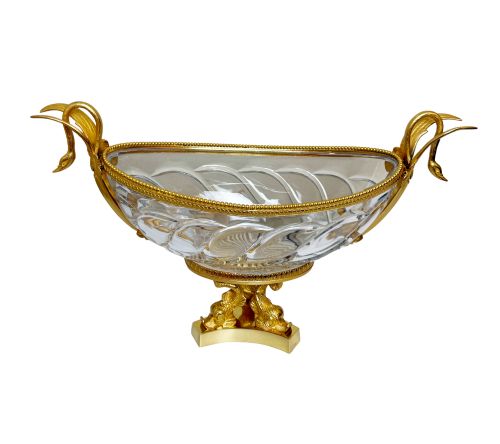
Cut glass inserts, crystal bowls, and mother-of-pearl dishes are frequently integrated into the bronze frameworks.
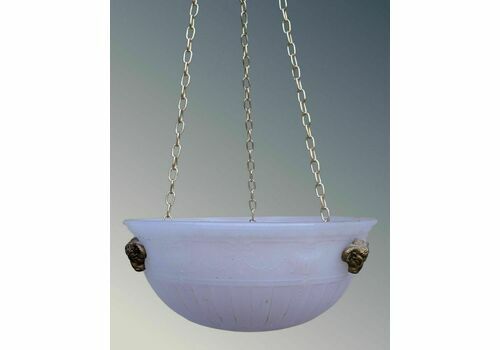
Watch for rams' heads peering out from the handles, keeping a silent classical watch over your coffee table.
Standards of craftsmanship
Quality rests in the crispness of the bronze casting and the depth of the chasing work on classical motifs.
Finer items feature dense, well-figured marble bases that complement the weight of the metalwork above.
The integration of secondary materials like cut glass reveals the care taken in fitting diverse elements together.
The Neoclassical Bronze Bowl Glossary
- Tazza
- A shallow cup or bowl mounted on a stem and foot, used for display or serving. This form dominates nineteenth-century neoclassical metalwork.
- Grand Tour
- A cultural journey undertaken by wealthy young Europeans in the eighteenth and nineteenth centuries. Souvenirs from these trips often replicated ancient ruins.
- Ormolu
- Gilded bronze produced by applying a mercury-gold amalgam to the base metal. The technique creates a rich, lasting metallic lustre.
- Patinated bronze
- Metal treated chemically to produce a specific surface colour, most commonly deep brown or green. This finish protects the alloy and defines the contours.
- Jardiniere
- An ornamental receptacle designed to hold plants or floral arrangements. They frequently share the same bronze and marble construction as decorative bowls.
Neoclassical Bronze Bowl: Frequently Asked Questions
What is a tazza?
A tazza is an open, shallow vessel raised on a central foot and pedestal base. Originating in classical antiquity, the shape was revived extensively during the nineteenth century.
These pieces served primarily as decorative objects or centrepieces for tables and sideboards rather than for practical dining use.
How do I style a bronze bowl?
Place a heavy bronze and marble bowl centrally on a dining table, mantelpiece, or console. Their classical lines suit both traditional period rooms and clean modern interiors.
Keep the vessel clear to showcase the chased metal and contrasting stone, or fill larger forms with seasonal fruit or foliage.
What is Grand Tour bronze?
Grand Tour bronzes are nineteenth-century souvenirs bought by travellers visiting classical sites in Italy. They often replicate ancient Roman and Greek artefacts found in excavations.
These souvenirs were prized for bringing tangible elements of classical history and sculpture back to British and European homes.
How do I date these pieces?
Dating relies on examining the casting techniques, the quality of the chasing, and the specific material combinations. Nineteenth-century examples frequently pair patinated bronze with Siena or black marble.
Stylistic cues such as French Empire design elements also help place the manufacture within the broader eighteen-hundreds.