

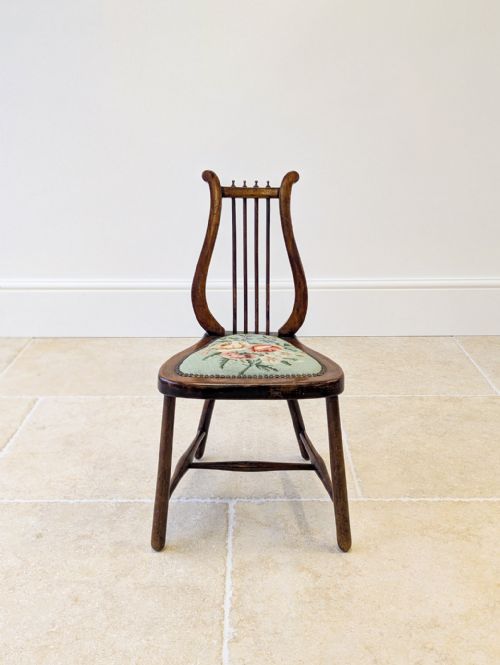
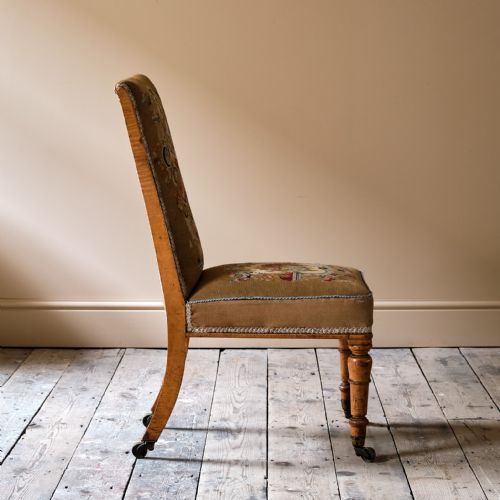
Needlepoint Accent Chair
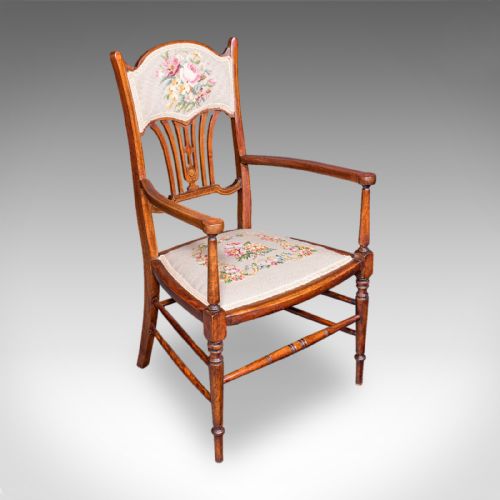
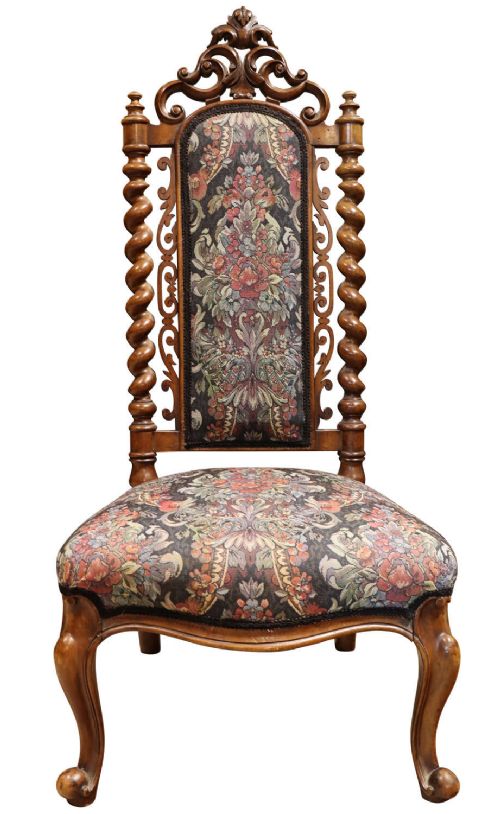
A needlepoint accent chair combines structural timber framing with detailed wool tapestry upholstery.
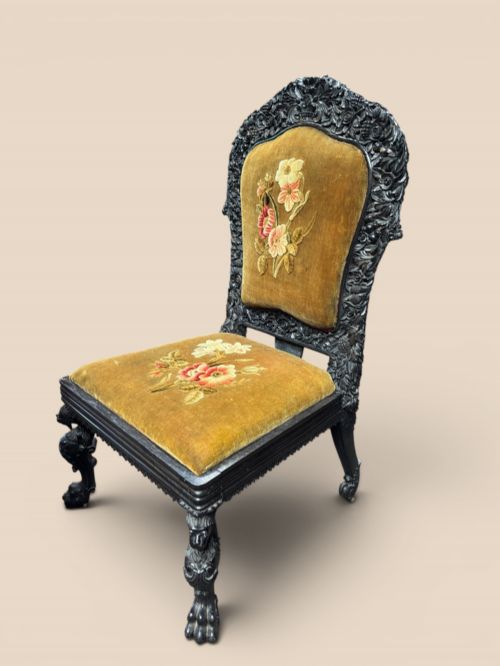
Needlepoint Accent Chair
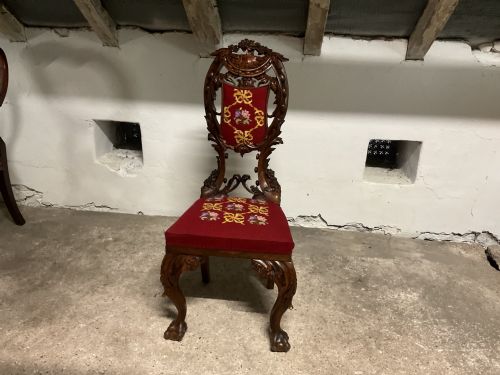
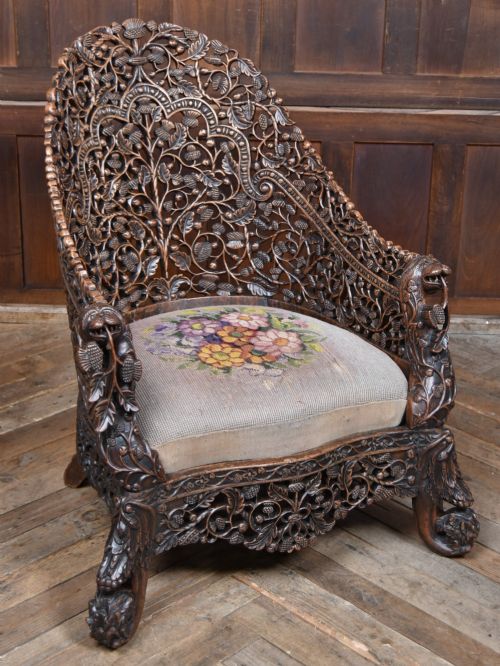
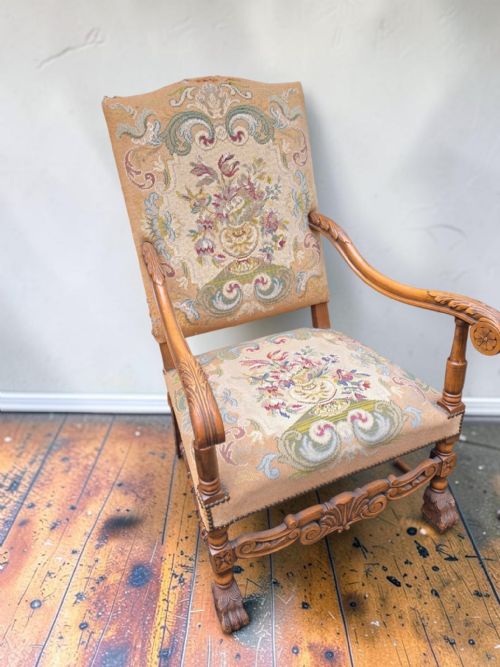
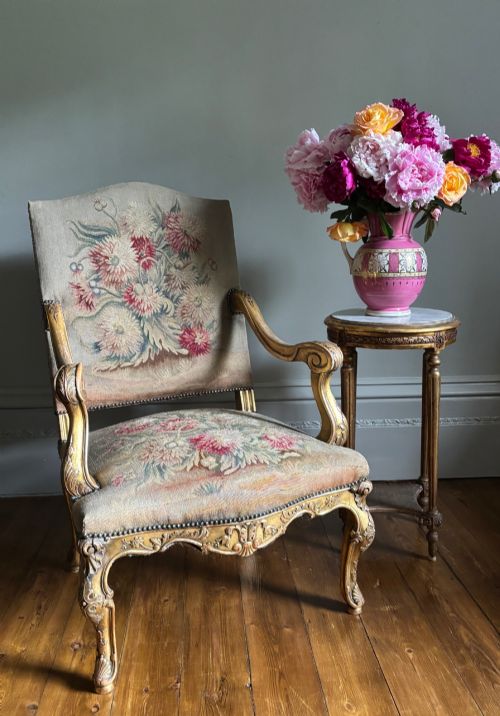
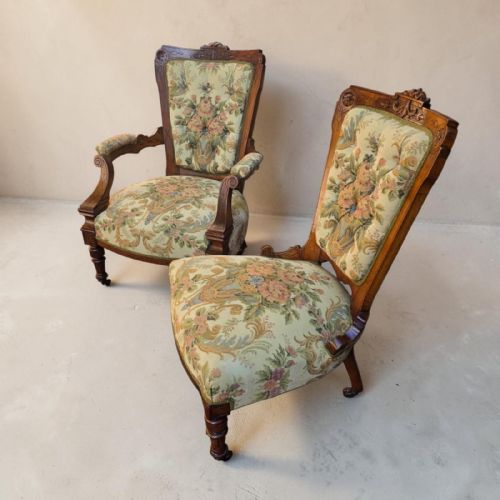
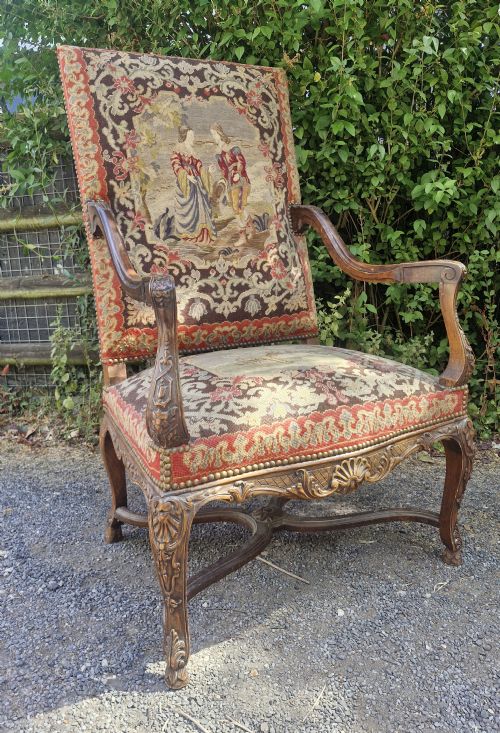
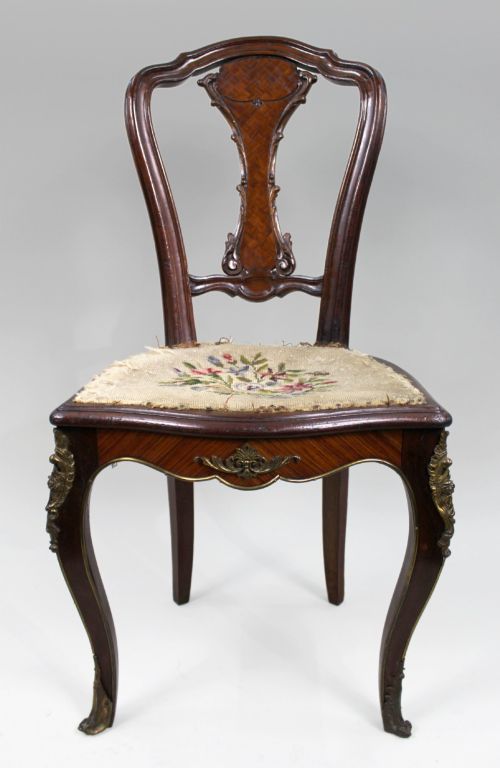
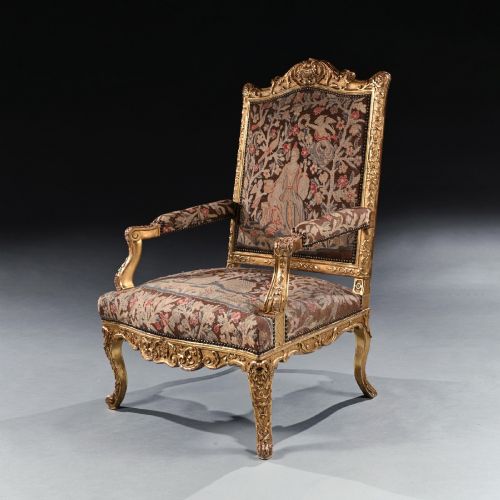
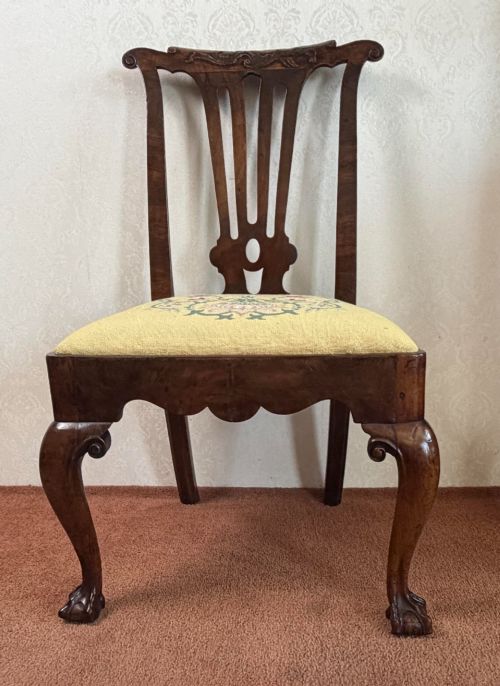
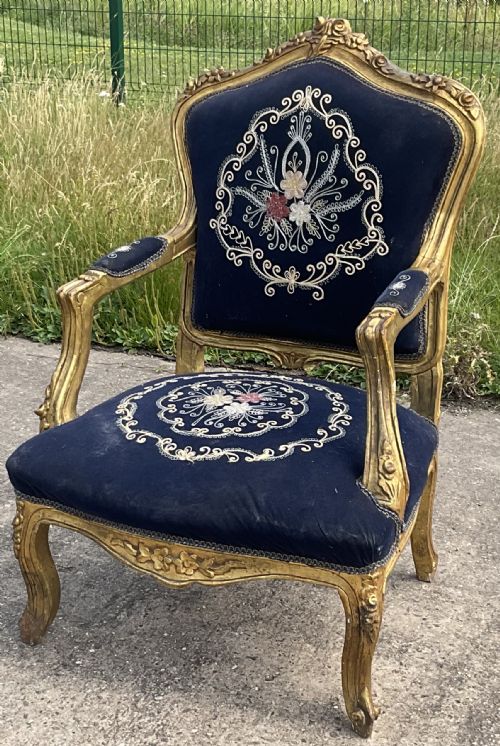
A needlepoint accent chair is a seat upholstered in textile work, appearing across various forms including armchairs, side chairs, and salon chairs. Buyers seeking a needlepoint accent chair encounter frames originating from the eighteenth, nineteenth, and early twentieth centuries, spanning periods such as the Georgian, Victorian, and Edwardian eras. These chairs function as decorative and functional additions to rooms, utilising traditional forms from styles like French Rococo Revival and Regency.
The pieces on this page lean heavily towards nineteenth-century walnut, mahogany, and beech frames upholstered in wool tapestry. Many examples feature carved wooden structures, ranging from simple side chairs to large armchairs and nursing chairs. The upholstery typically displays worked textile panels, connecting historical seating forms with decorative needlework.
Materials and construction methods
Makers utilised solid timbers including walnut, mahogany, beech, and satinwood to construct the structural frames of these chairs. Joinery techniques varied according to the period, supporting carved ornamentation, giltwood finishes, or inlaid details. Brass and ormolu mounts occasionally appear on specific continental or revival pieces.
The upholstered elements rely on textile materials such as wool, tapestry fabric, and needlework panels. Artisans stitched wool yarns onto canvas backings to create the detailed pictorial or geometric designs seen on the seats and backs. This needlepoint work was then secured directly to the wooden framework using traditional upholstery methods.
Needlepoint Accent Chair Retail Price Guide 2026
Typical asking prices for needlepoint accent chair among the pieces listed under this phrase on Sellingantiques today, from the lower quarter to the upper quarter. They describe what is for sale here now, not the wider market.
Listings feature woods ranging from walnut and mahogany to exotic ebony and padouk, paired with wool tapestry.
Assessing quality in frames and needlework
Quality resides in the crispness of the timber carving and the structural integrity of the frame. Denser hardwoods like walnut and mahogany provide durable skeletons that retain stability over centuries. Finer examples display deeply carved details, balanced proportions, and careful joinery rather than superficial decoration.
The execution of the textile work determines another level of distinction. Finely worked needlepoint featuring tight, even stitches and complex colour palettes requires considerable labour compared to simpler woven coverings. The harmony between the design of the wooden frame and the execution of the tapestry panels defines the standard of each piece.
Charles Tozer·Waring & Gillow·R Whytock of Edinburgh·Liberty & Co·Holland & Sons
The Needlepoint Accent Chair Glossary
- Tapestry
- A form of textile art woven on a loom or worked by hand with needle and thread. In these chairs, wool tapestry provides the decorative upholstered surface.
- Giltwood
- Wood that has been coated with a thin layer of gold leaf. This finish appears frequently on eighteenth-century and revival armchairs.
- Ormolu
- Gilded bronze mounts applied to furniture for decoration. This technique is found on select continental pieces from the nineteenth century.
- Padouk
- A heavy tropical hardwood valued for its dense grain and deep reddish colour. Makers utilised this timber for carved chairs.
- Needlework
- Decorative sewing executed on a canvas mesh using yarn or thread. This term describes the hand-stitched panels forming the upholstery.
Needlepoint Accent Chair: Frequently Asked Questions
What periods do these chairs represent?
The listings span from the eighteenth century through the Victorian and Edwardian eras up to the early twentieth century. These include specific historical revivals such as French Rococo and Gothic styles.
Buyers encounter a wide chronological range, from early walnut pieces to later beech and mahogany examples.
How were needlepoint chairs used historically?
These chairs served as functional seating in principal rooms, parlours, and bedrooms. Specific forms like nursing chairs and salon chairs fulfilled distinct domestic roles.
The inclusion of detailed tapestry upholstery indicated that these items were intended for display as well as comfort.
What timbers were used for the frames?
Makers constructed the frames using native and imported hardwoods including walnut, mahogany, beech, and satinwood. Some examples incorporate exotic woods such as ebony and padouk.
The choice of timber typically reflects the date of manufacture and the prevailing style of the period.
How do I care for antique tapestry upholstery?
Needlepoint upholstery requires gentle maintenance, avoiding direct sunlight to prevent the fading of wool yarns. Regular light vacuuming through a mesh guard removes surface dust without disturbing the fibres.
Professional textile conservation is recommended for older or delicate panels.
Are the needlework panels original to the chairs?
Some pieces retain their period needlepoint, while others feature later or renewed textile work. The relationship between the age of the wooden frame and the upholstery varies across individual items.
Close inspection of the stitching and the method of attachment helps determine the history of the textile.