
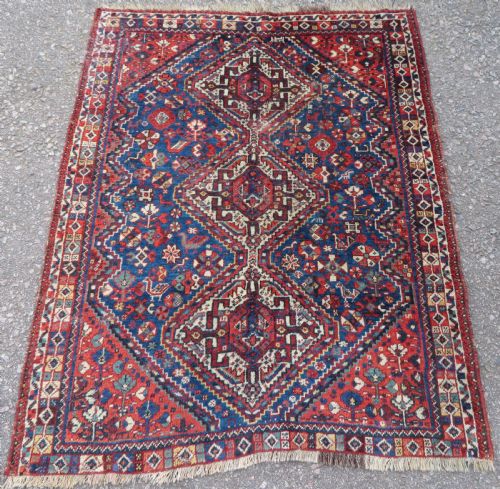
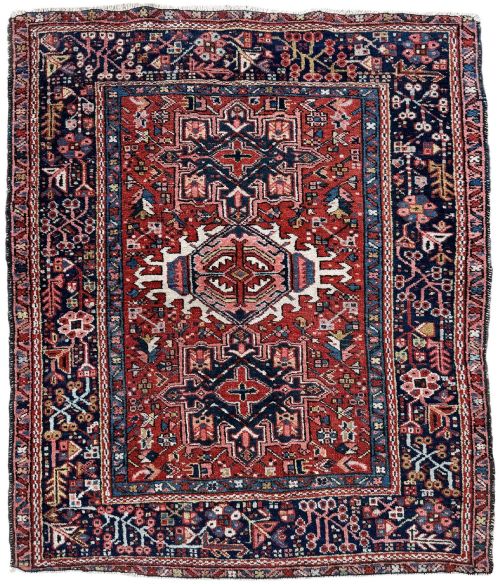
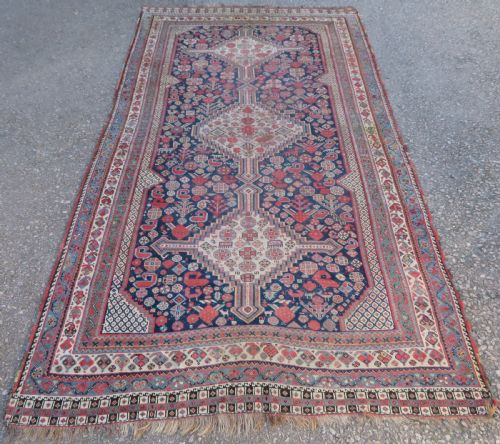


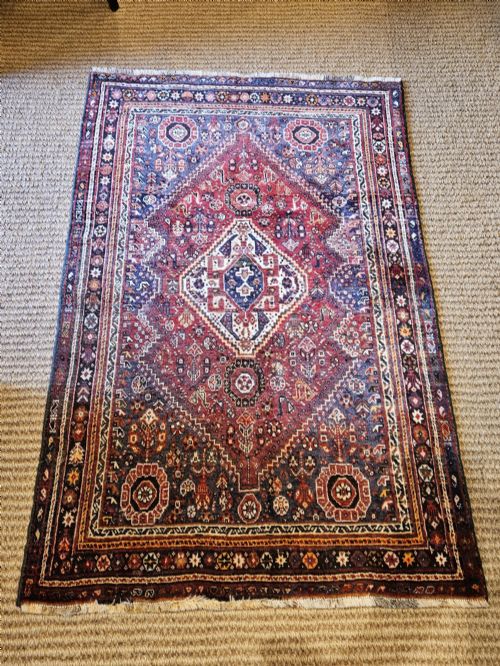
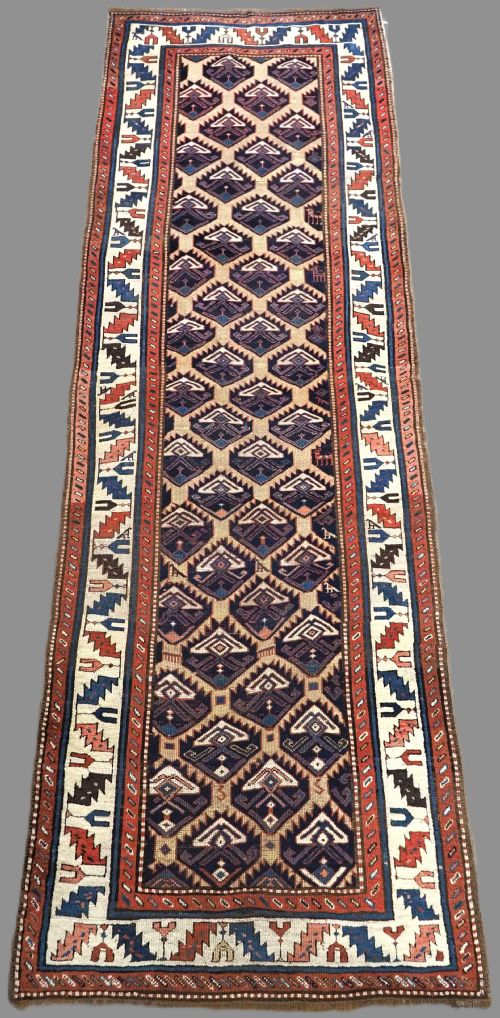
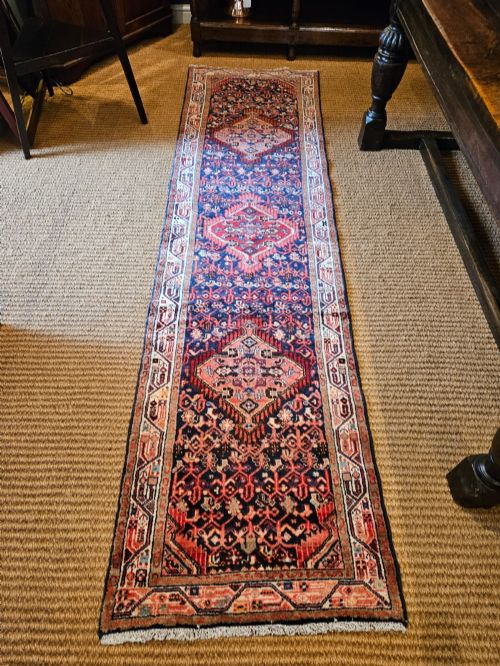
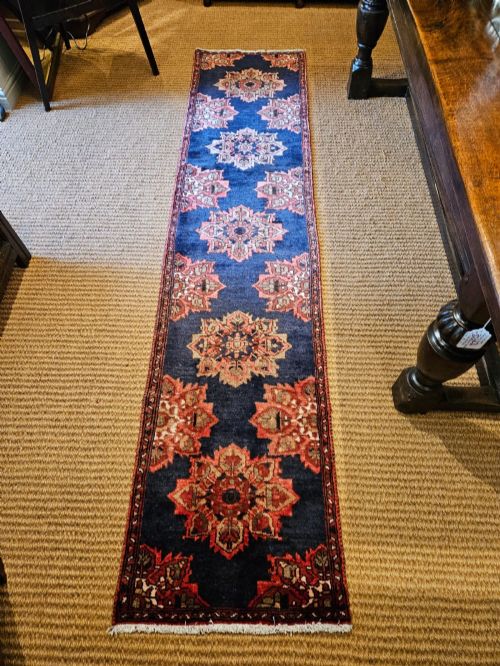
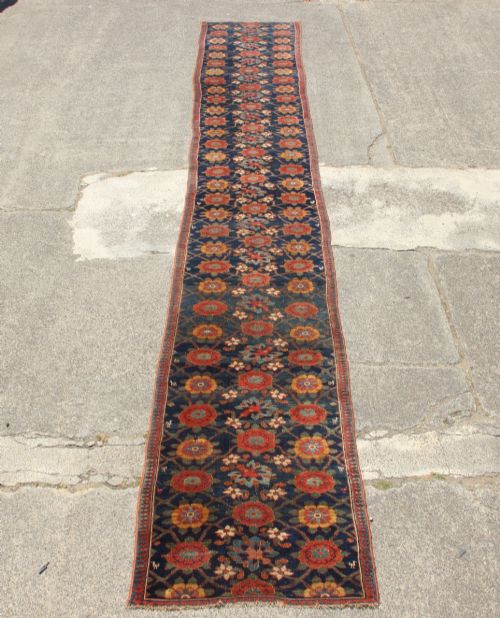
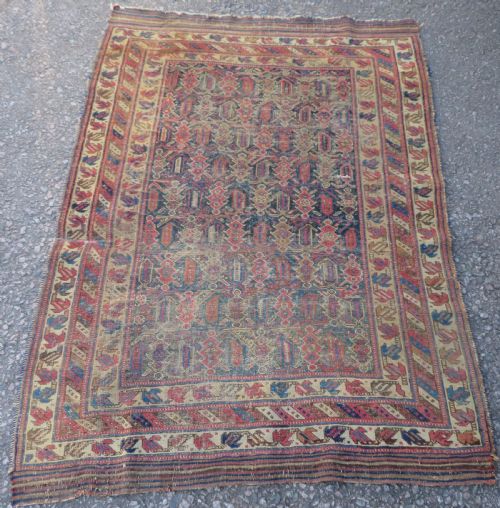
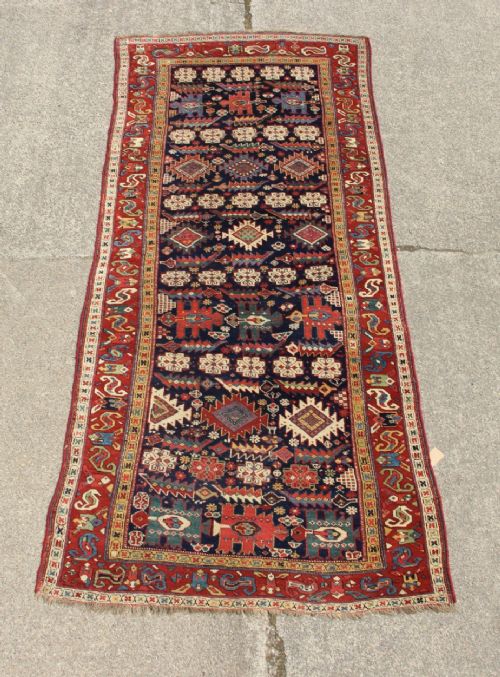
Navy Wool Persian Runner
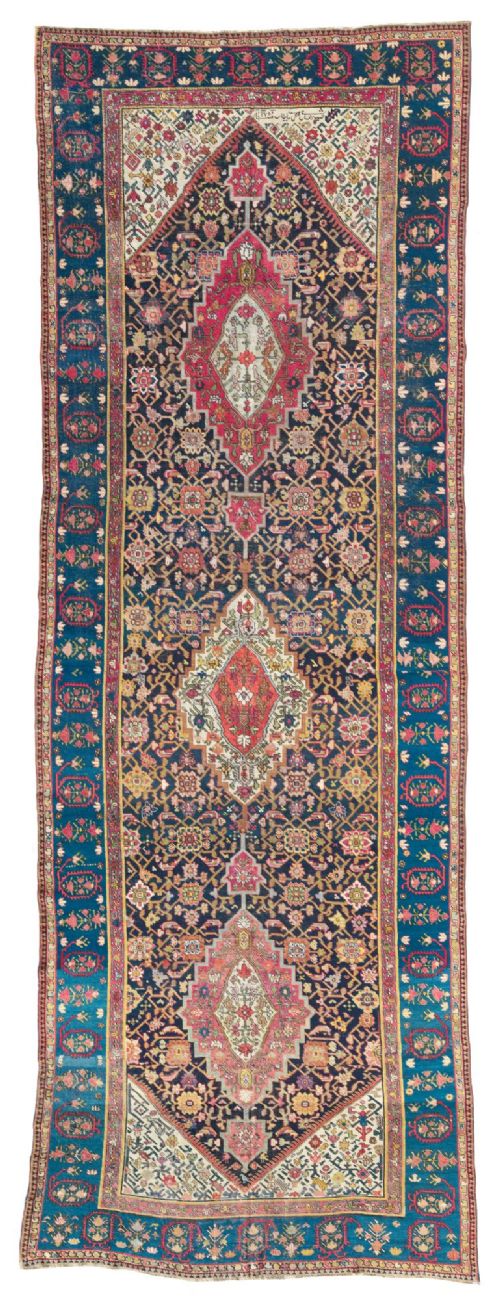
A navy wool persian runner brings warmth and depth to long hallways through centuries of weaving tradition.
Navy Wool Persian Runner
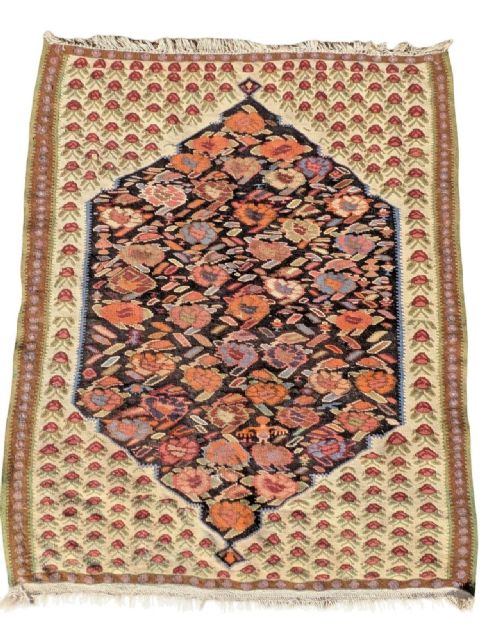
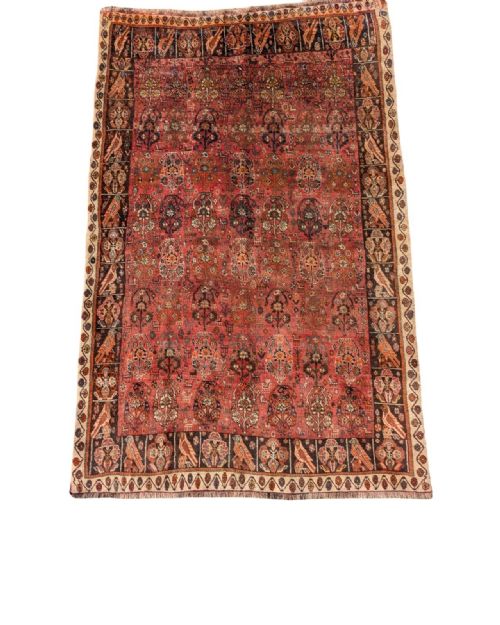
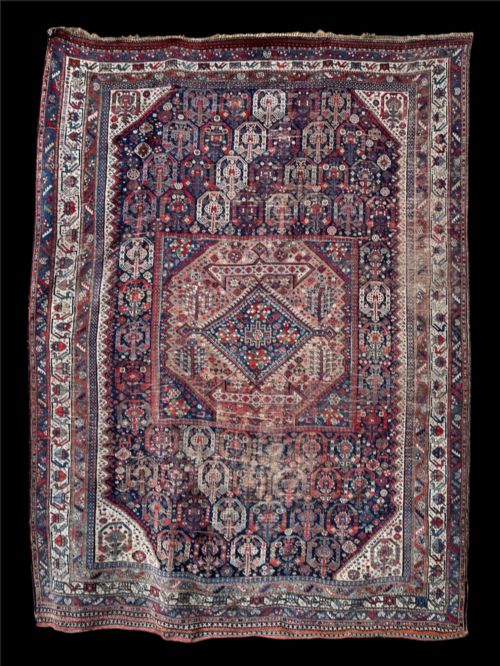
A navy wool persian runner is a long, narrow floor covering created in Persian workshops and tribal regions, designed specifically for corridors and narrow spaces. These textiles combine deep indigo grounds with resilient pile, reflecting the practical needs of traditional households alongside intricate regional artistry.
The selections available span from the late nineteenth century into the early decades of the twentieth century, encompassing both city workshops and tribal weaving traditions. Buyers encounter everything from structured Heriz formats to nomadic Kurdish and Hamadan productions, each displaying distinct geometric or floral layouts.
Formats generally emphasise length over width, making them suitable for hallway placement where proportion matters. The dominant navy backgrounds provide a stable visual anchor that balances the colourful motifs woven across the field.
Materials and construction
These textiles rely principally on wool for the pile, often utilising hand-spun fibres that absorb natural dyes with subtle variations in tone. Cotton foundations provide the structural grid for the knots, lending stability and strength to the elongated runner format.
Weavers knotted the wool pile by hand onto cotton or wool warp and weft threads, securing the ends with woven selvedges. This labour-intensive method produced dense, durable floor coverings capable of withstanding heavy foot traffic over generations.
Nomadic weavers sometimes included intentional small irregularities in their geometric patterns to ward off the evil eye.
Assessing quality in execution
Quality rests in the precision of the knotting and the handling of the wool, which dictates how sharply the patterns resolve across the field. Tighter knot counts allow for intricate botanical or geometric details to remain crisp and legible.
The consistency of the hand-spun wool and the depth of the dye work separate standard pieces from finer examples. Uniformity in the weave along the length of a runner indicates disciplined workshop or tribal production.
The Navy Wool Persian Runner Glossary
- Runner
- A long, narrow carpet format intended for corridors, staircases and hallways. These pieces typically exceed double their width in length.
- Pile
- The vertical or diagonal loops of yarn that form the soft surface of a rug. This cut or uncut wool bears the direct wear of foot traffic.
- Kelleh
- A large rectangular carpet format, longer than it is broad but wider than a standard runner. It often served specific seating arrangements in traditional Persian interiors.
- Boteh
- A traditional teardrop or almond-shaped motif representing a floral spray or cypress tree. This ancient symbol appears frequently in Persian and tribal weaving.
- Mina Khani
- An all-over repeating pattern composed of daisy-like rosettes linked by curved lattice lines. It originates from classical Persian workshop traditions.
Navy Wool Persian Runner: Frequently Asked Questions
Where should a runner go?
These long carpets suit narrow corridors, hallways and entrance spaces where floor protection and visual direction matter. Their elongated proportions fit comfortably in transit areas without overwhelming the surrounding architecture.
Placing them in rooms also helps define walkways or anchor furniture arrangements in larger spaces. The dark navy grounds tend to mask everyday dust in busy household thoroughfares.
How do I care for wool pile?
Regular vacuuming without a beater bar keeps surface grit from settling into the wool foundation. Gentle brushing and occasional professional cleaning maintain the integrity of the natural fibres.
Keeping the textile away from prolonged direct sunlight preserves the depth of the indigo and secondary dye colours. Rotating the piece every year ensures even wear across the length of the runner.
Are these runners hand-knotted?
The pieces recorded here are traditional hand-knotted floor coverings produced across Persian workshops and tribal areas. Artisans tied individual knots of wool onto a supportive cotton or wool foundation by hand.
This construction method creates a dense pile that bends flexibly while retaining structural strength. Hand-knotted edges and fringes show the individual craftsmanship behind each textile.
How are different regions told apart?
Regional styles reveal themselves through specific drawing styles, palette choices and structural quirks. Heriz pieces often display geometric medallions, whereas Hamadan and Kurdish runners show varied all-over field patterns.
Border arrangements and knotting densities provide further clues to the specific origin workshop or tribe. Comparing the secondary colours against known regional palettes helps confirm the source.